

Trade Show Booth Sizes: Execution Guides by Footprint
Choose your booth size and get a build-ready planning guide—layout priorities, utilities, logistics, and install sequencing—written for real show-floor execution.
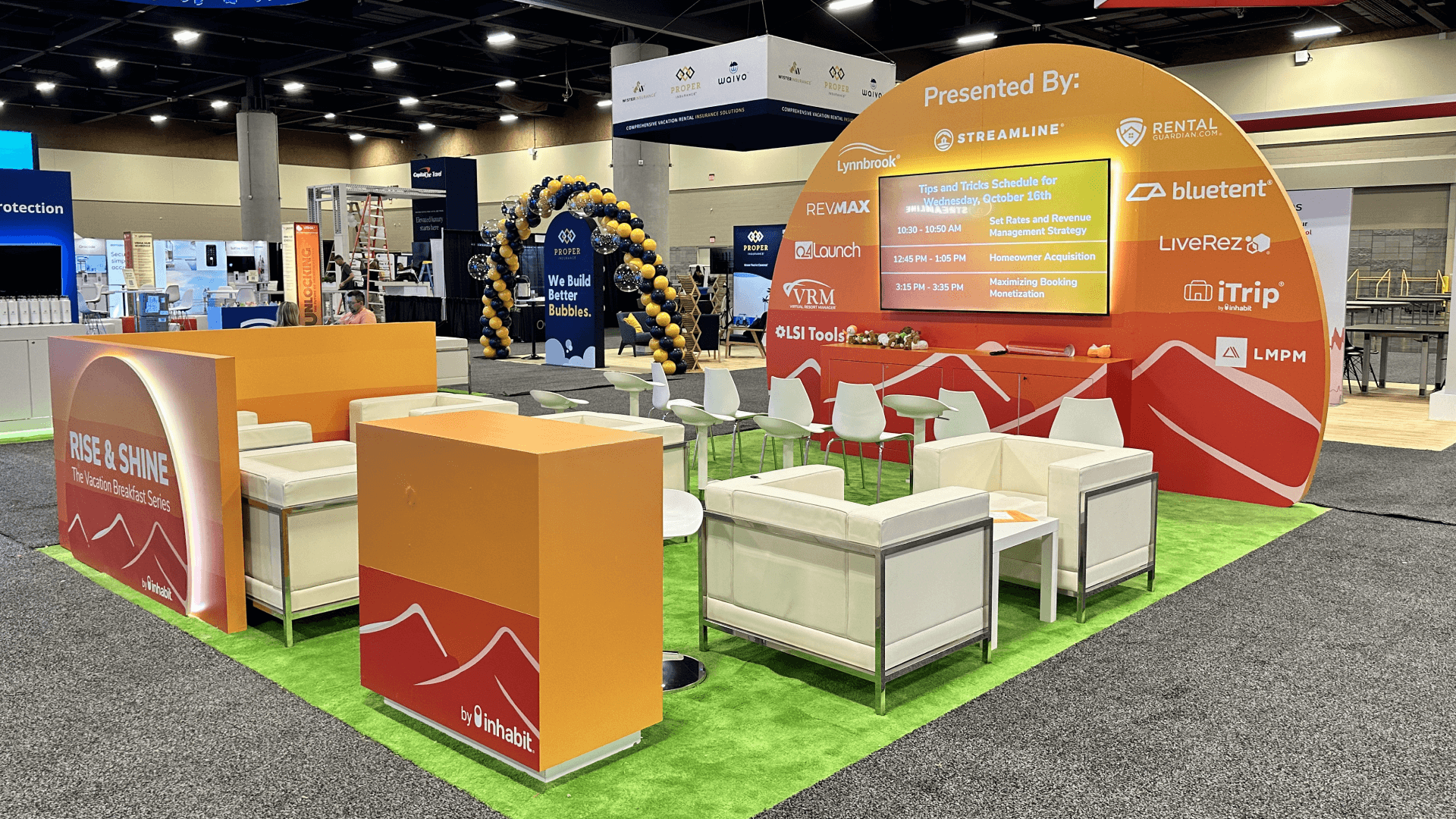
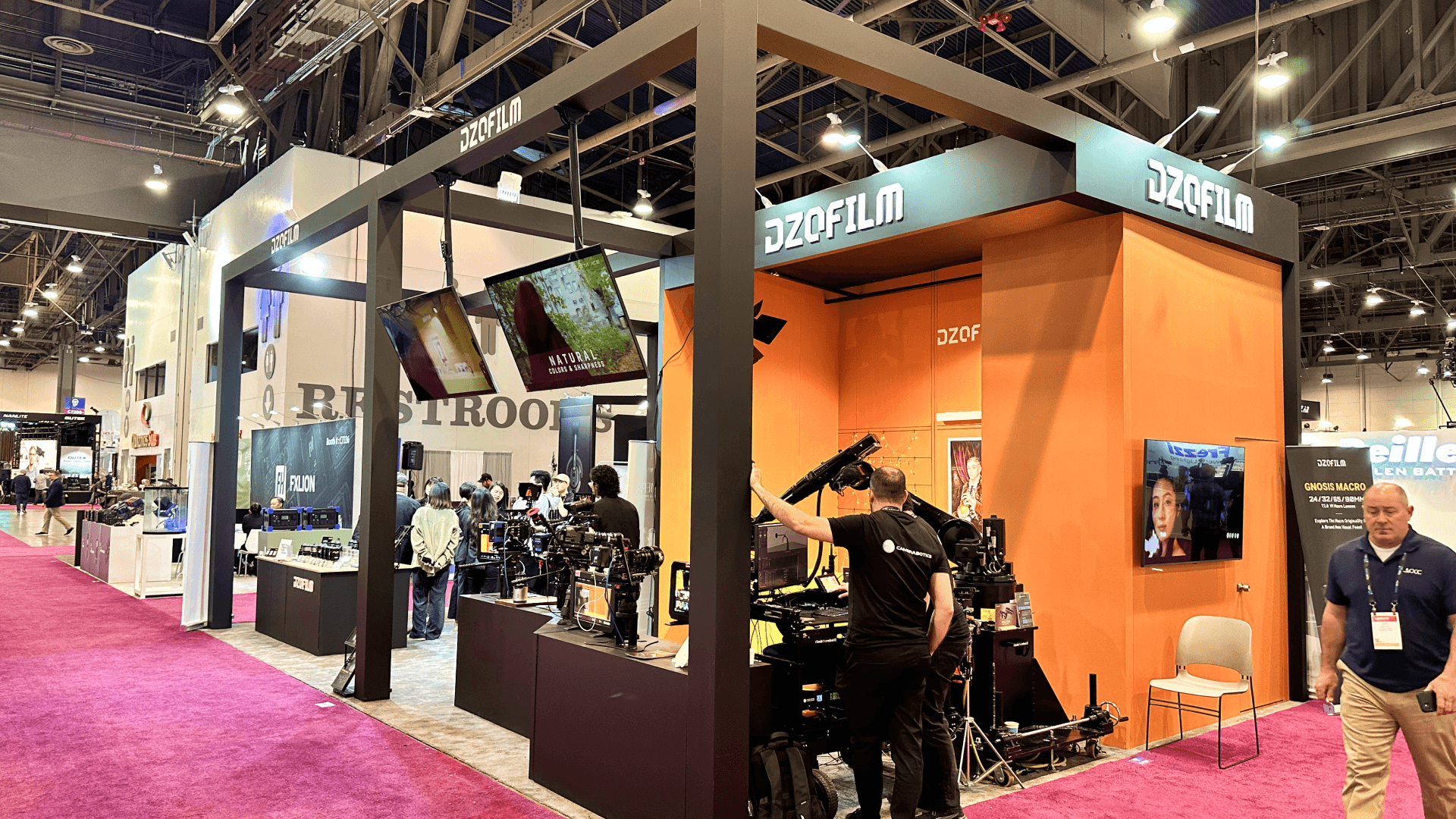
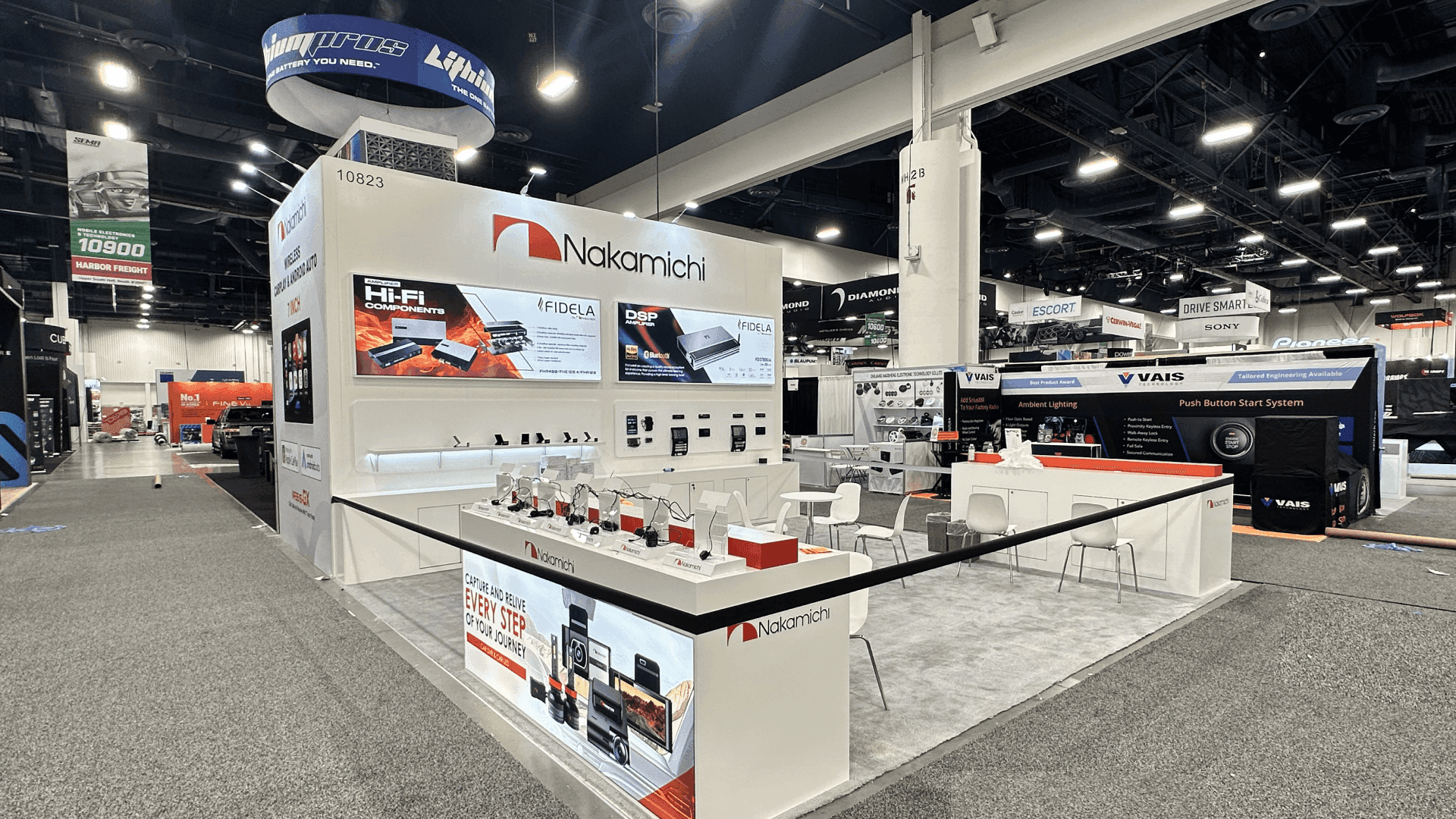
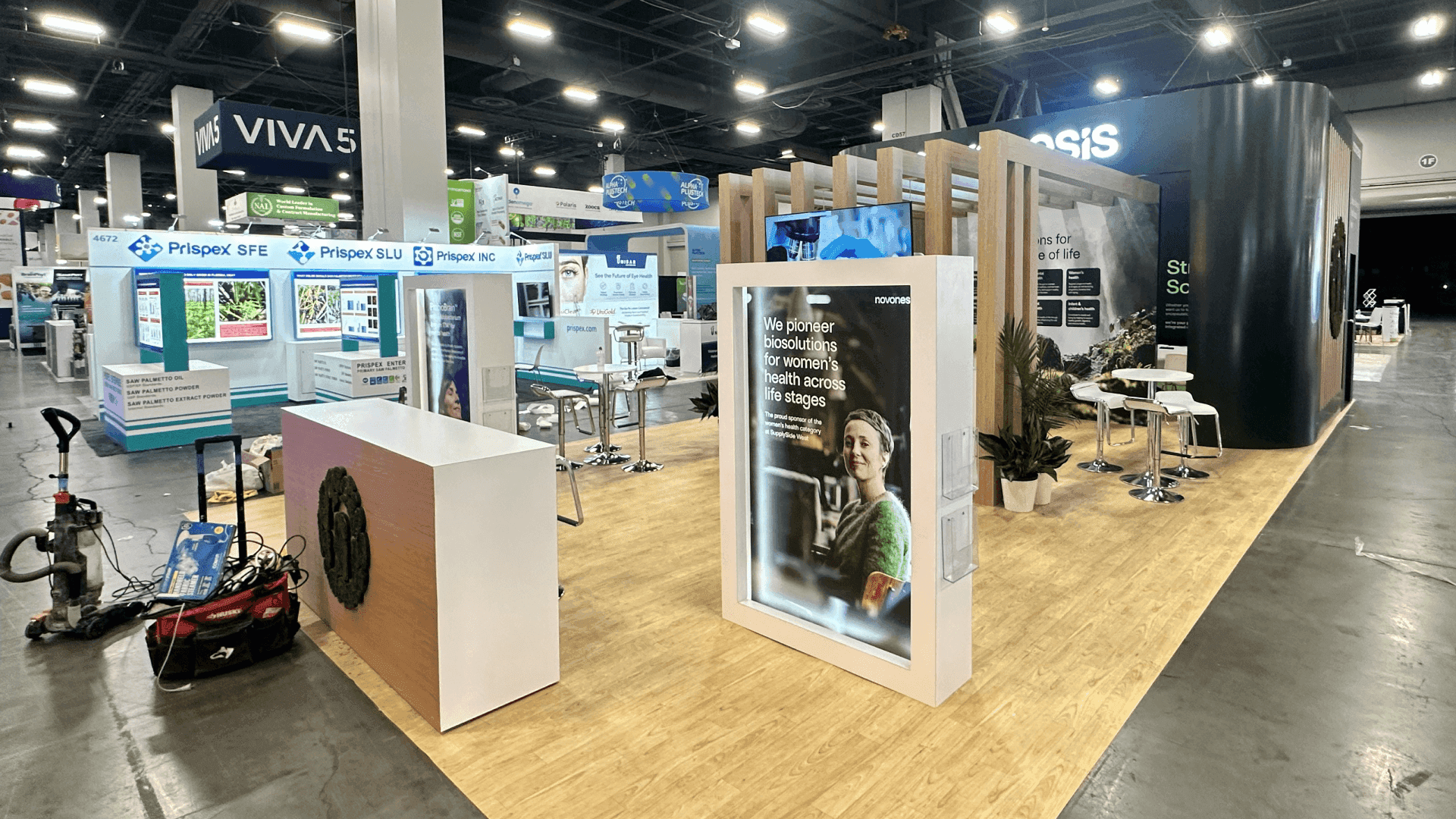

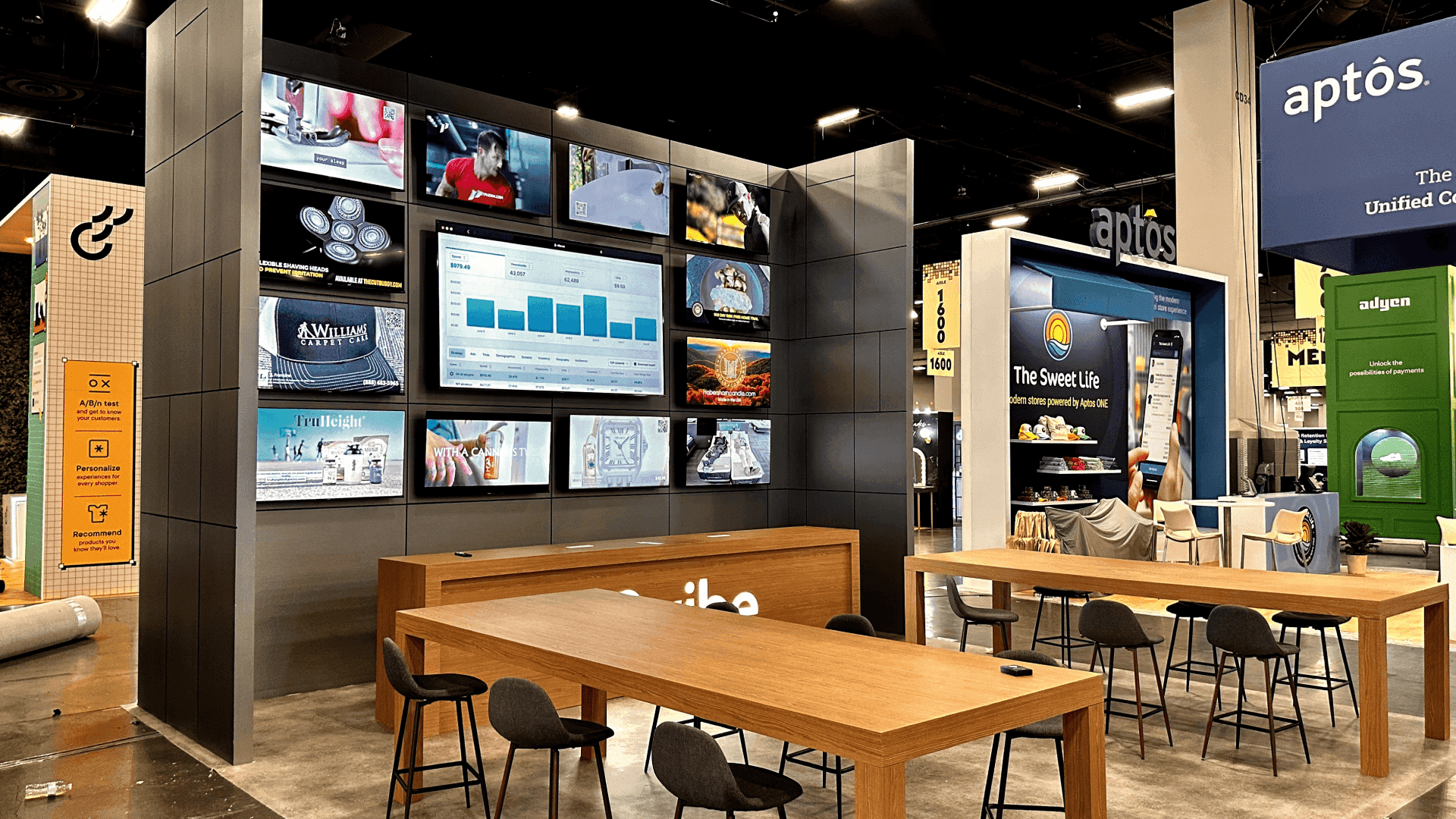
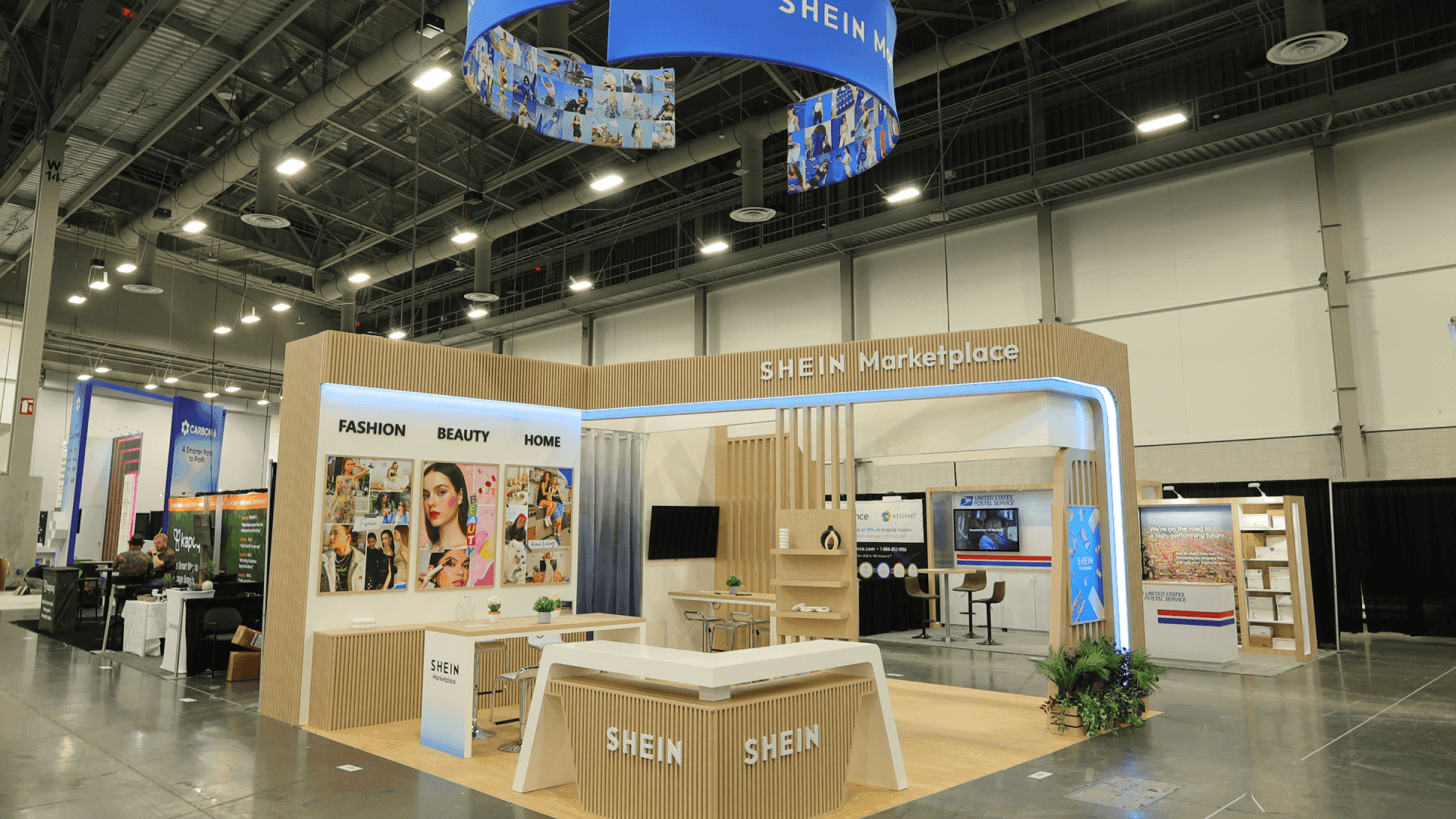
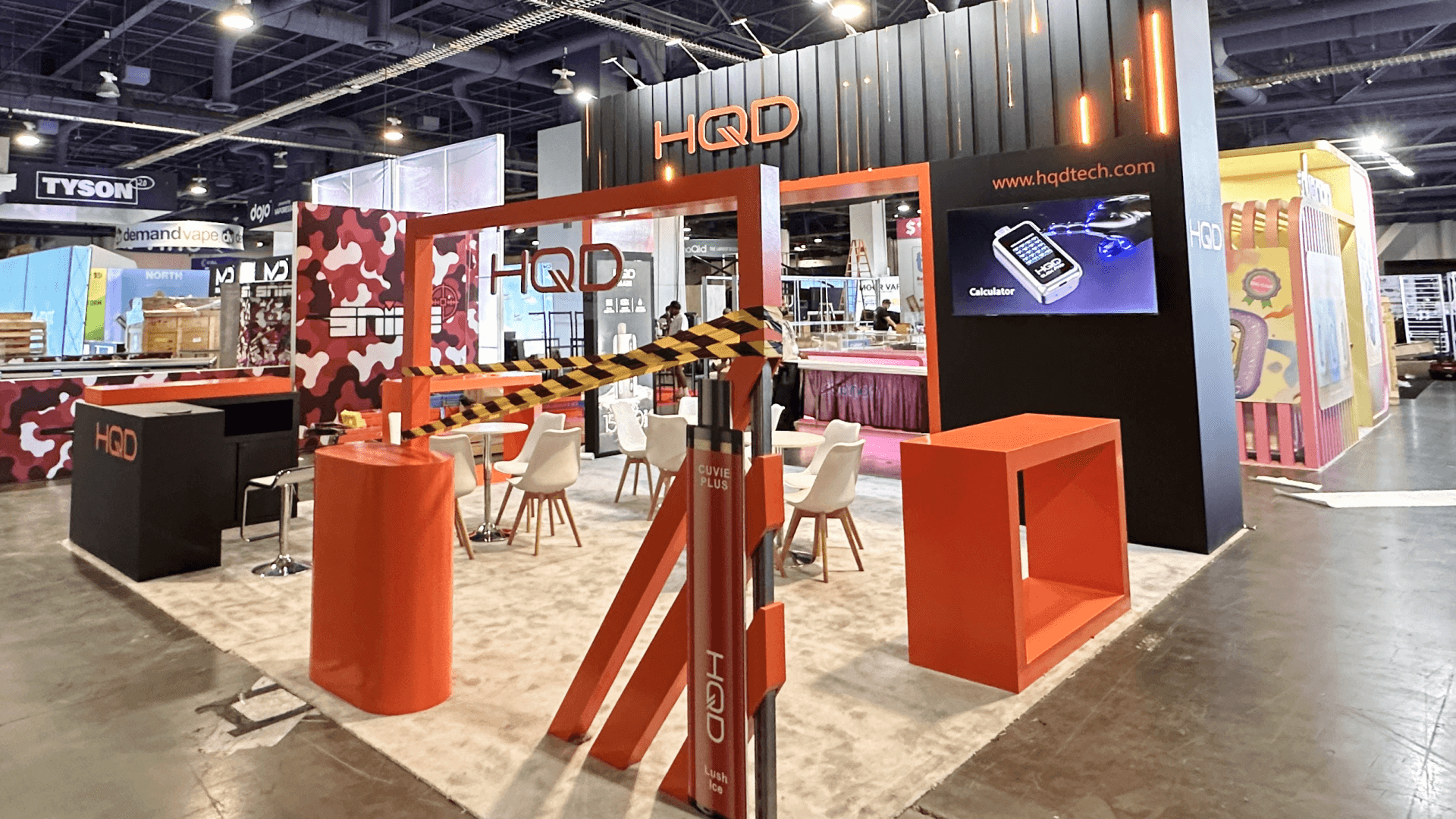

How to Choose a Trade Show Booth Size
Decision logic for choosing 10x10, 20x20, 20x30, 30x40, and larger trade show booth layouts.
Traffic Goal: How many conversations need to happen at once?
If you only need one focused conversation stream, a smaller booth size may work. If your team needs product demos, buyer meetings, and parallel staff conversations, move up to a larger trade show booth size.
Demo Requirement: What needs space, power, and visibility?
Product demos often need more than a counter. Plan space for equipment, audience standing room, screen visibility, cable routing, storage, and power access before choosing the booth footprint.
Storage and Reset Needs: What must stay off counters?
If giveaways, tools, packaging, samples, or demo materials need to stay hidden, choose a booth size with storage discipline instead of forcing everything onto visible counters.
Staffing Reality: Who can actually operate the booth?
A larger booth without enough trained staff can feel empty or chaotic. Match the booth size to how many zones your team can run during the show.
Build Complexity: How much execution risk can the schedule handle?
Larger booth sizes can add more freight, drayage, installation, graphics, and show-site coordination. Choose a footprint that fits your timeline and execution capacity.

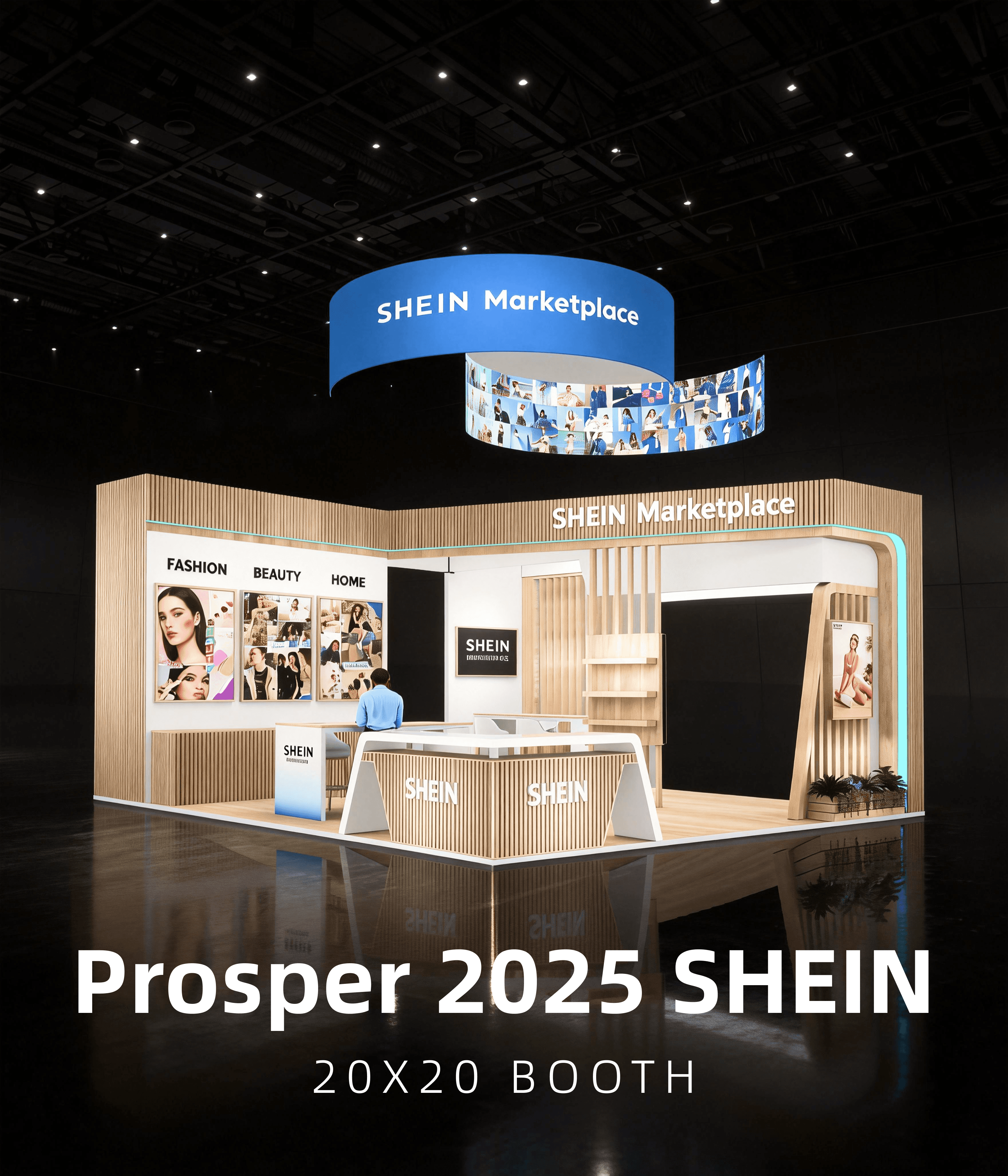

Choosing the right trade show booth size depends on visitor flow, product display needs, meeting space, storage, graphics visibility, staff count, and installation complexity. A 10x10 booth is usually better for simple brand presence, a 20x20 booth can support demos and counters, while 20x30 booth and 30x40 booths are stronger for larger product displays, meeting areas, and island booth planning.
Size grid
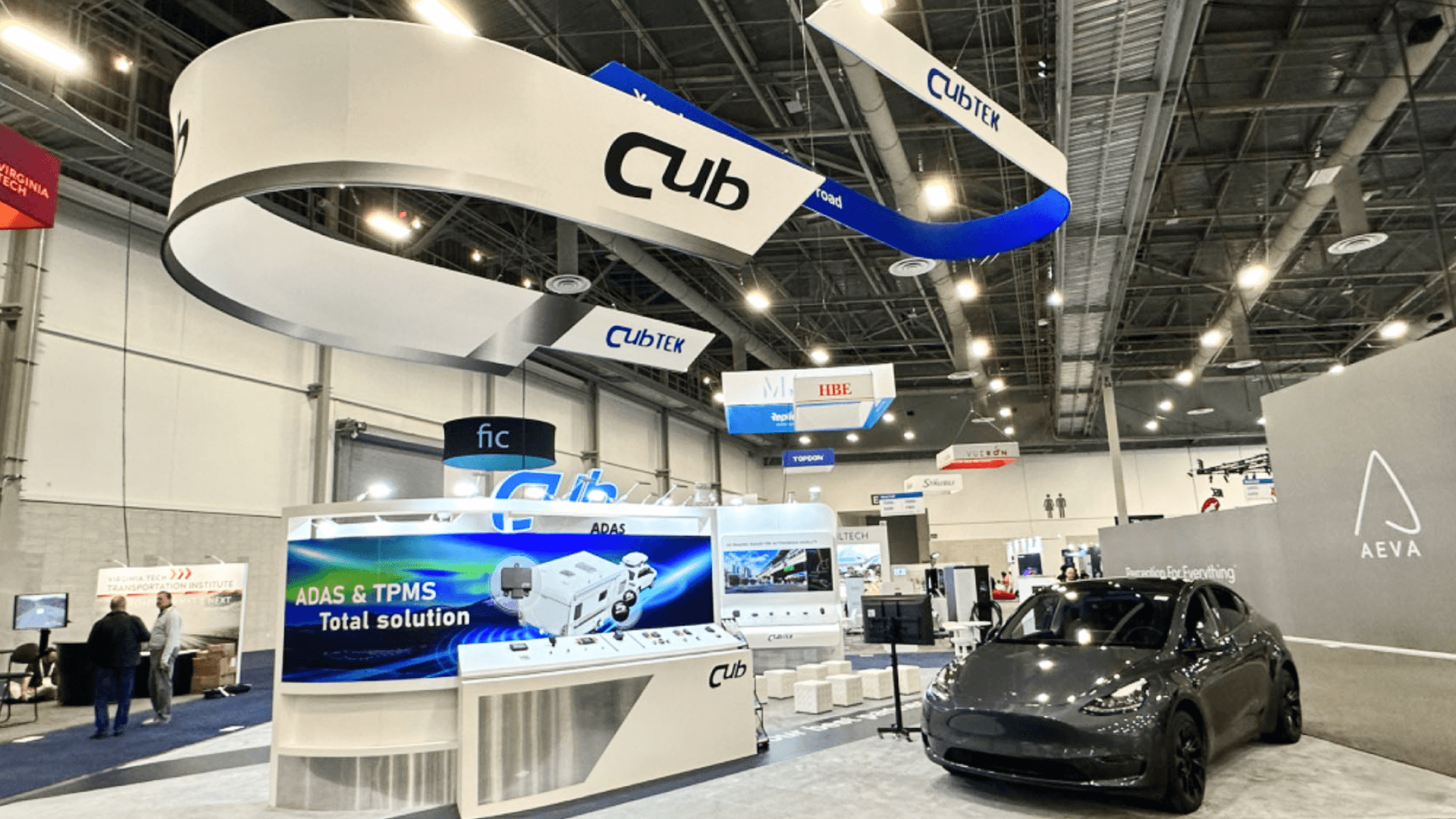
10×10 Booth Guide
Best for a single message and quick conversations with minimal build complexity.
Message hierarchy and fast readability
Simple power/cable routing
Quick pack-and-install sequencing

10×20 Booth Guide
Message hierarchy and fast readability
Simple power/cable routing
Quick pack-and-install sequencing
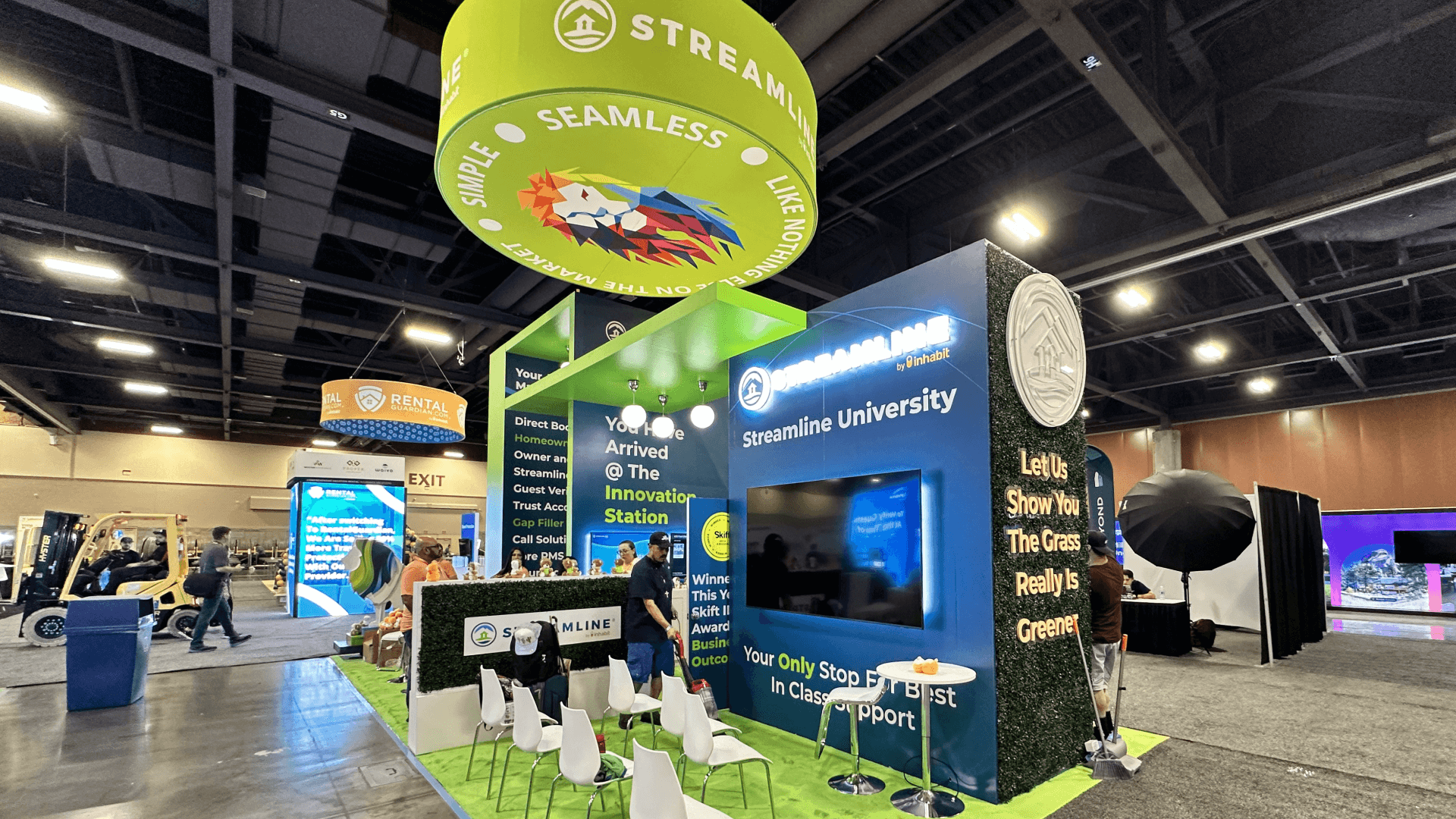
20×20 Booth Guide
Functional zoning that stays buildable
AV/power mapped by zone
Drayage + crate logic for clean install
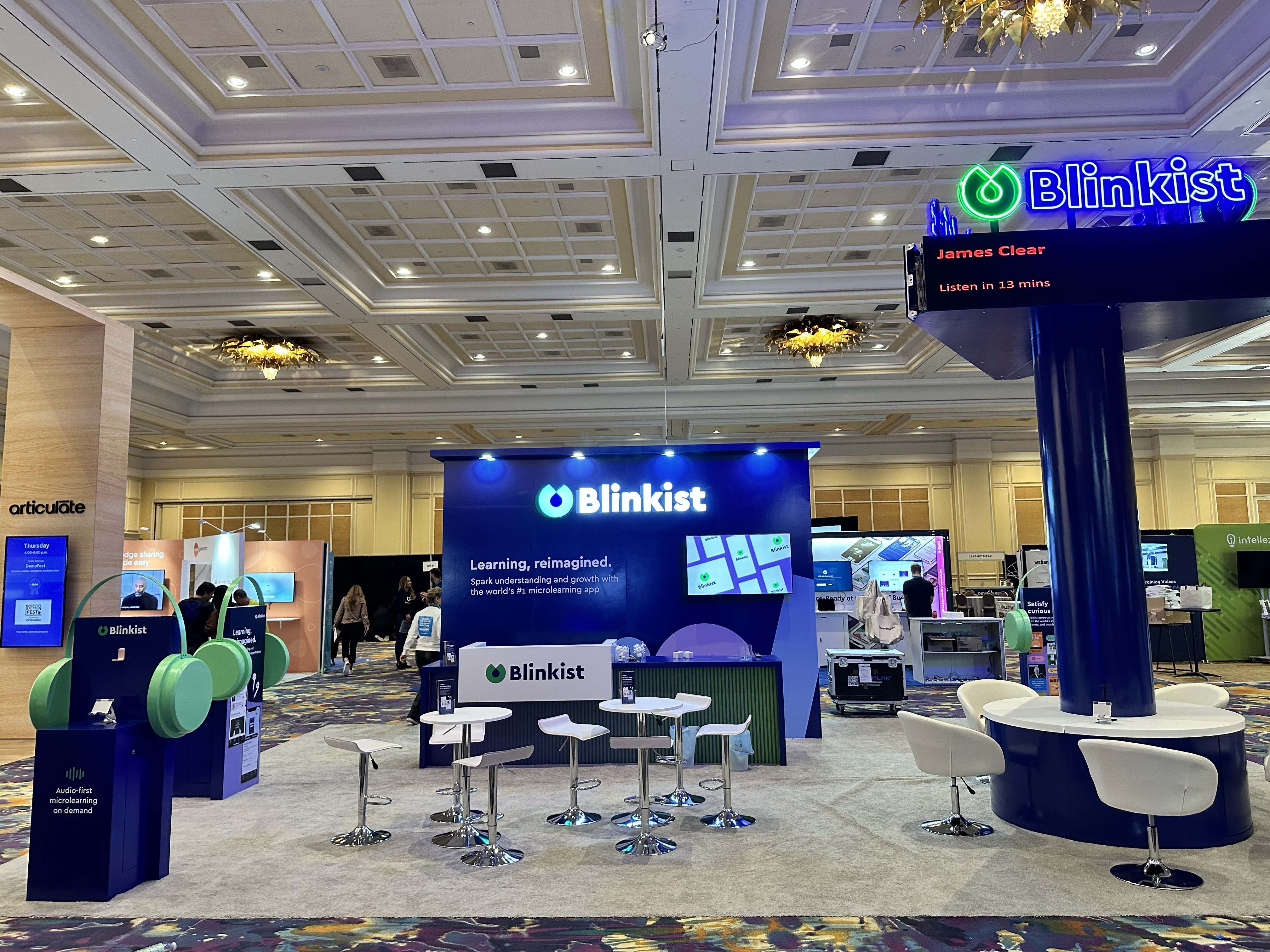
20×30 Booth Guide
Two-zone engagement without cross-flow chaos
Utilities and AV planning for parallel demos
Packing and sequencing that keeps crews moving
30×30 Booth Guide
Multi-zone planning with visibility control
AV mounting + cable routing discipline
Drayage and crate sequencing for stability


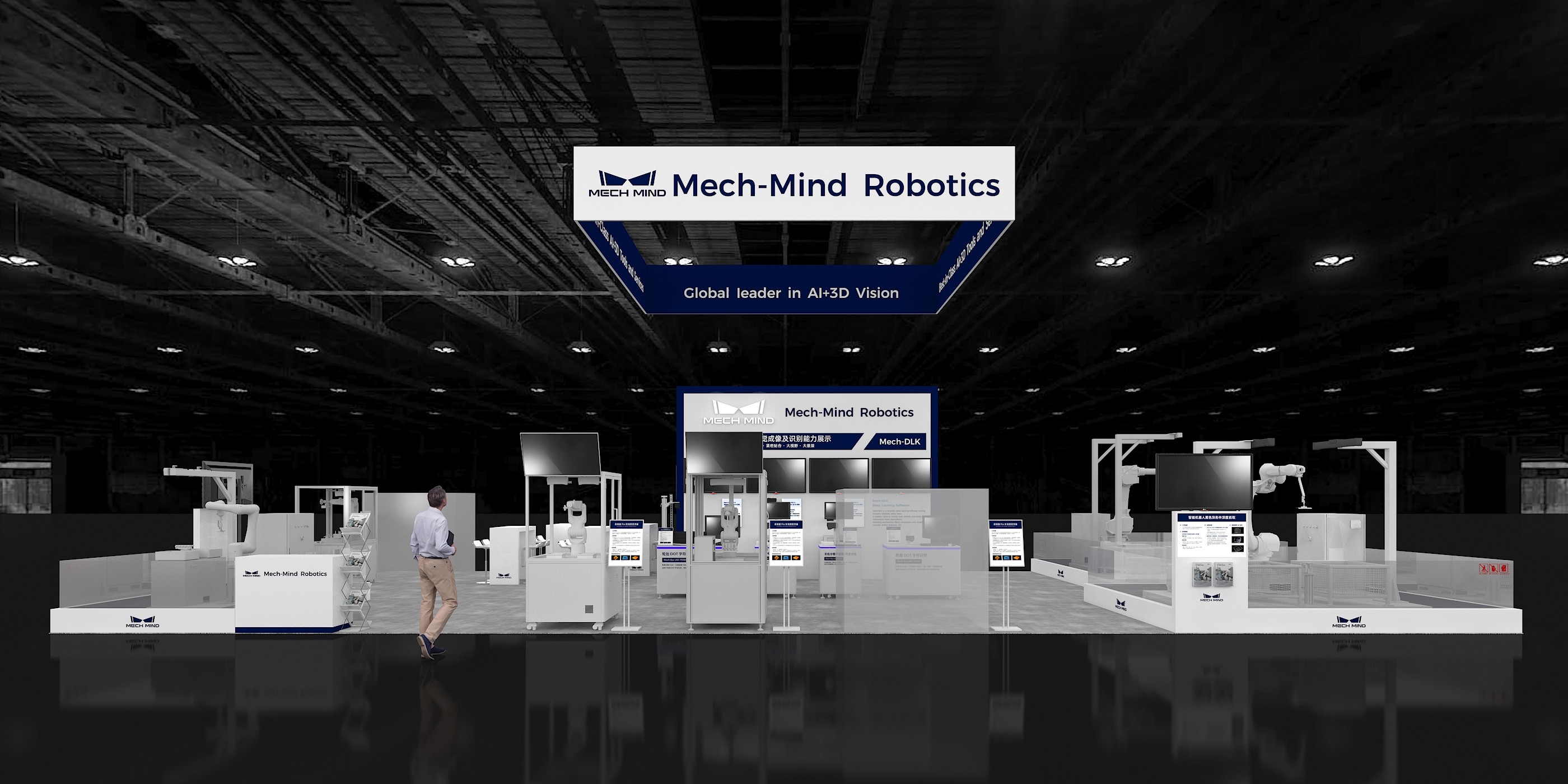
30×40 Booth Guide
Utilities coordination (power drops / overhead)
Drayage + forklift pacing and staging
Multi-crate open-first logic and install order
Why Booth Size Changes Execution Complexity
Booth size impacts execution far beyond layout—it changes structure, logistics, and on-site coordination.
Structure & Weight
Logistics & Handling
On-site Risk
How to Choose the Right Booth Size
The right booth size is determined by interaction needs, equipment demands, and execution constraints.
Interaction Density
How many conversations, demos, or meetings must happen at the same time?
Crowded interactions usually signal the need for more square footage.
Back-of-House Control
Storage, staff flow, and reset efficiency require protected space.
Smaller booths demand stricter prioritization.
Equipment & Demo Requirements
Fixed equipment, AV demos, or machinery increase minimum usable size.
Layout must support access, safety clearances, and cable routing.
Planning Window
Larger booths require earlier lock-in for engineering, graphics, and logistics.
Smaller booths allow faster cycles but less flexibility.
Start with the Hub if
You are comparing multiple booth sizes.
You want to understand execution differences before design.
Go to Size Detail Pages if
You already have a target size.
You need layout zoning, technical considerations, and timelines.
How They Work Together
The hub explains why size matters.
Detail pages explain how that size works on the show floor.
Frequently Asked Questions


Not Sure Which Size Fits Your Plan?
Pick the closest size above and use the guide to sanity-check zoning, power, and install sequencing. If your needs don’t fit cleanly, move up one size.