CES Booth Planning in Las Vegas
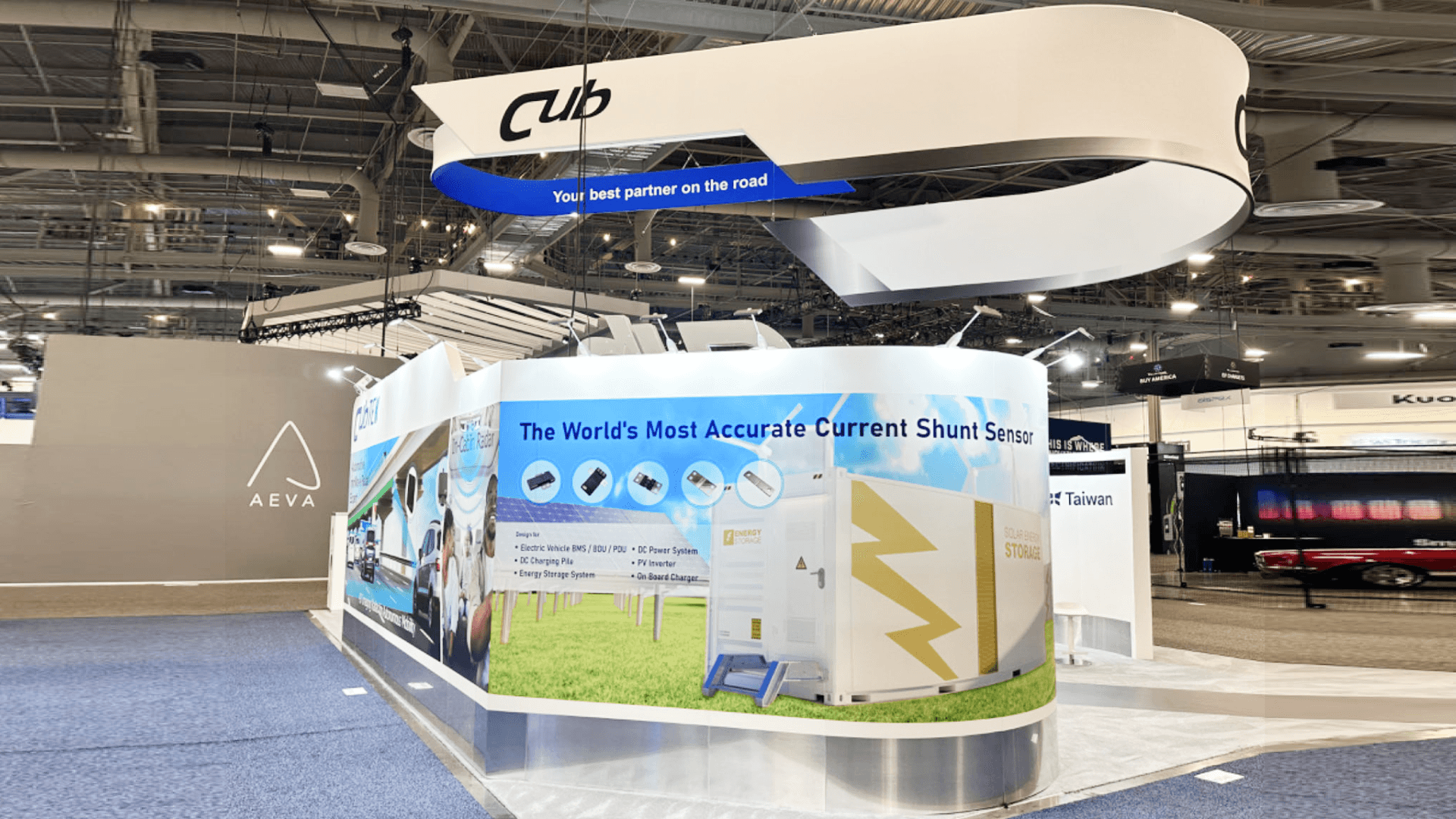

How should exhibitors plan a CES booth in Las Vegas?
CES booth planning should connect technology product demos, screen walls, product messaging, meeting flow, and LVCC move-in requirements. Exhibitors often need booth layouts that make complex products clear from the aisle while coordinating graphics, freight timing, power, AV, and on-site installation before opening day.
CES (Consumer Electronics Show) is one of the most influential technology events in the world, focused on consumer electronics, smart devices, and emerging innovation across industries such as mobility, AI-powered products, digital health, and connected living. Held across venues including the Las Vegas Convention Center and The Venetian Expo, CES brings together global brands, startups, investors, and media to launch new products and showcase future-facing technologies.
Exhibiting at CES is visibility-driven and launch-focused. Booths are designed to attract attention, demonstrate products quickly, and support high volumes of media, buyers, and partners. From smart devices and hardware prototypes to connected platforms and interactive demos, exhibitors need layouts that combine product display with storytelling. A 20x20 trade show booth is a common configuration, allowing space for product showcases, demo stations, and structured engagement with visitors.
Because CES is fast-paced and media-heavy, booth design must support clear messaging, visual impact, and efficient visitor flow. Our graphics and brand presentation services help companies organize product zones, launch messaging, and visual hierarchy so innovations can be understood within seconds on a crowded show floor.
For companies launching products and presenting new technologies, working with an experienced Las Vegas trade show booth builder is critical. Installation timing, layout clarity, and on-site coordination directly affect how well products are presented under intense traffic and media exposure.
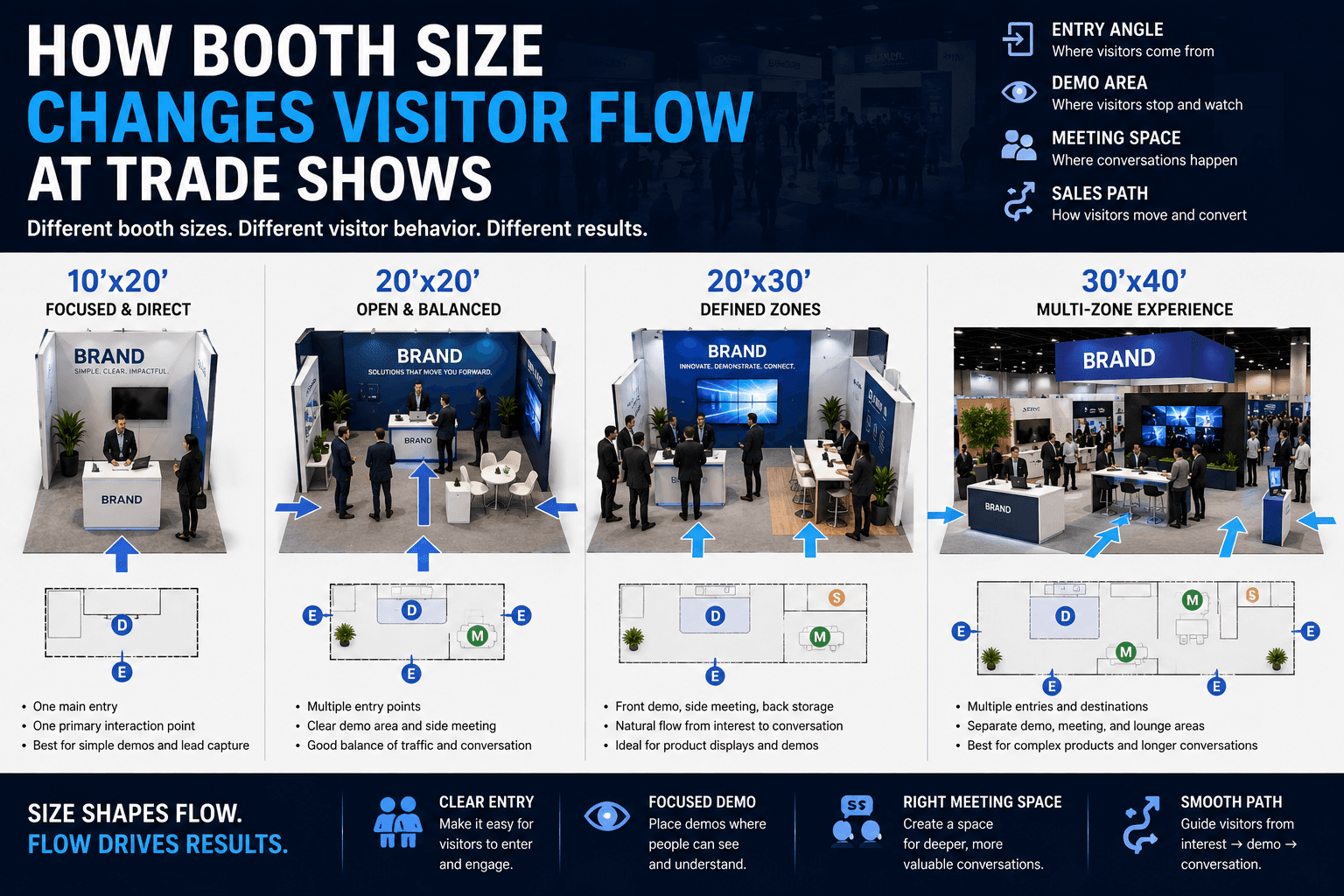
CES booths often need to support more than one activity at the same time: product demos, screen presentations, buyer meetings, media conversations, lead capture, storage, and staff movement. The right booth size depends on how many products are being shown, how much screen or demo space is needed, and how visitors should move through the booth during peak traffic.
A 10x20 booth can work for focused product demos, startup displays, compact hardware presentations, and simple consultation areas. It is best used with a clean backwall, one demo counter, clear graphics, and a short product message that visitors can understand quickly from the aisle.
A 20x30 booth is a strong fit for technology brands that need more than one demo station, a larger screen wall, product display counters, and a controlled visitor path. For exhibitors comparing demo space, meeting flow, and aisle visibility, 20x30 booth planning can provide a practical middle point between a compact island booth and a large brand showcase.
A 20x20 booth gives CES exhibitors more room for a product demo zone, screen support, reception counter, light storage, and one small meeting area. Exhibitors reviewing 20x20 booth planning can use this size when they need an island layout with better visibility but do not need multiple private meeting spaces.
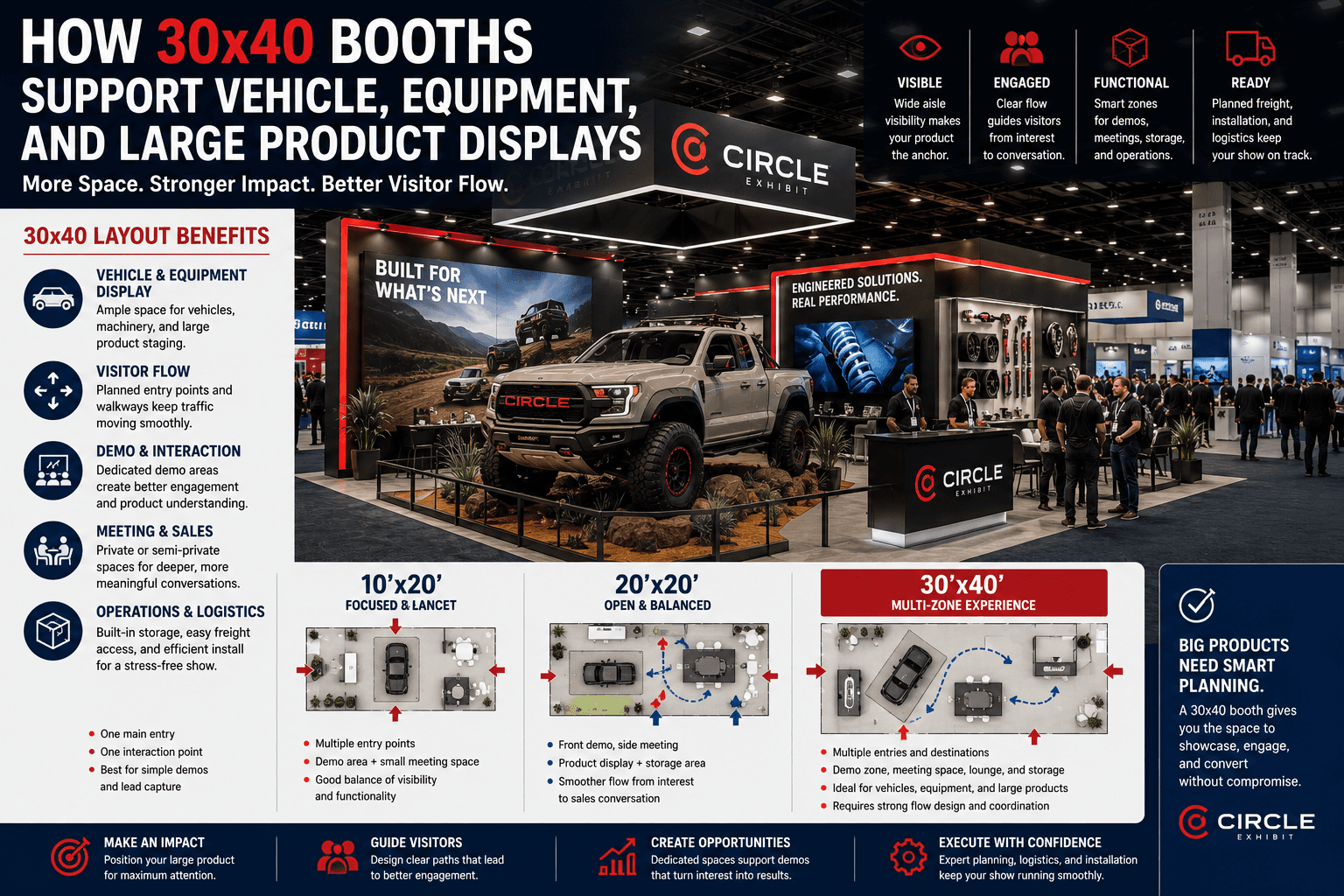
A 30x40 or larger island booth is often used for major product launches, automotive technology displays, AI demos, private meetings, and multi-zone brand presentations. Exhibitors planning a 30x40 booth should account for freight timing, AV coordination, screen placement, storage, installation sequence, and opening-day readiness before materials arrive at the Las Vegas Convention Center.
CES booths often need more than screens and counters. Product demos, software walkthroughs, connected devices, AI tools, and new product launches all need a clear message path before visitors reach the demo counter. The booth layout should help visitors understand what the product does, where to watch the demo, and how to continue the conversation with the team.
For a deeper planning breakdown, review our guide to how CES booth graphics should explain the product before the demo starts.
CES booths are usually judged by how clearly visitors can understand the product, watch a demo, compare features, and speak with the team. A strong CES booth should make the main product message visible from the aisle, then guide visitors toward demos, screens, meetings, and product explanation zones.
Technology products often need hands-on explanation. Demo counters should be placed where visitors can stop, watch, test, or ask questions without blocking the main aisle. Power access, sample storage, screen placement, and staff movement should be planned before the booth structure is finalized.
Many CES exhibitors rely on screens to explain apps, platforms, connected devices, AI tools, or product ecosystems. Screen walls should be positioned for visibility from the aisle, while nearby counters or meeting tables give the team space to continue the conversation after the first product introduction.
CES product launches need a clear message hierarchy. The main product, headline graphics, demo zone, and supporting visuals should work together so visitors can quickly understand what is new, what problem the product solves, and why the booth is worth entering.
Not every CES conversation happens at a demo counter. Larger booths may need semi-private meeting areas, lead capture stations, or consultation tables for buyers, partners, investors, or media. These zones should be placed away from the busiest product demo flow when booth size allows.
CES is dedicated to consumer electronics, digital innovation, and emerging technologies across multiple industries.
Exhibits commonly feature interactive displays, live product demonstrations, and immersive technology-driven environments.
CES is held annually in Las Vegas, utilizing large-scale venues to support technology-intensive exhibits.
Challenges 1
Challenges 2
Challenges 3
Challenges 4
Challenges 5
Challenges 6
1
Define booth objectives by venue and industry
2
3
4
When a Rental Booth Works Well
A customizable booth rental in Las Vegas can work well for CES exhibitors who need branded graphics, counters, screen support, product shelving, meeting space, and a clean professional structure without fabricating every booth component from scratch. It is often a practical fit for 10x20, 20x20, and some 20x30 booth plans with focused product demos.
When a Custom Build Makes More Sense
A custom build is usually a better fit when the CES booth depends on a major product launch, multiple demo stations, automotive technology display, private rooms, overhead visibility, custom lighting, or a layout that needs to control the visitor journey from aisle to meeting area. Larger 30x40 and multi-zone booths often need Las Vegas trade show booth builder support because design, fabrication, logistics, AV coordination, and installation have to work together.
How to Decide Before CES
Exhibitors should decide based on how the booth will be used. If the goal is a polished branded structure with a few product demos and meeting space, rental may be enough. If the booth needs custom demo flow, stronger product storytelling, private meeting control, or complex AV integration, builder-led planning is usually the safer route.
CES booths often include crates, demo hardware, graphics, monitors, product samples, flooring, and AV equipment. Freight timing should be planned around the LVCC move-in schedule so booth materials arrive before installation crews need them on the floor.
CES exhibitors often need screens, devices, charging points, lighting, routers, or demo equipment ready before the booth opens. Product demo areas and AV locations should be checked during installation so counters, graphics, cables, and visitor flow do not conflict.
Booth structure, flooring, graphics, counters, screens, demo zones, and storage should be installed in the right sequence. Before opening day, the booth should be checked from main aisle views to confirm that product messages, demo areas, and meeting zones are easy to understand.
A CES booth should be ready before the first rush of visitors. Final checks should include product display alignment, screen content, lighting, device charging, lead capture tools, staff access, and any small fixes that could affect demo performance on opening day.
CES Booth Rental Planning for 20x20 and 20x30 Demo Layouts
CES exhibitors can use a customizable rental booth when the layout needs product demo counters, branded graphics, meeting space, storage, and clear visitor flow without a fully custom island build. 20x20 and 20x30 rental booths are often practical for technology brands planning product launches, screen displays, buyer conversations, and show-site setup support in Las Vegas.
What booth sizes are common at CES?
CES features a wide range of booth sizes, from 10×20 inline booths to large island and double-deck exhibits. Automotive and mobility brands in the LVCC West Hall often use larger island booths, while startups and tech brands may opt for compact inline spaces.
How early should exhibitors start planning for CES?
Are there technical requirements exhibitors should prepare for?
Is a rental booth suitable for CES exhibitors?
What should CES exhibitors prepare before booth installation?
For CES exhibitors planning custom booth structures, technology demo zones, screen walls, meeting areas, and show-site installation in Las Vegas.
For exhibitors who need a branded CES rental booth with graphics, counters, product displays, screen support, and installation planning at the Las Vegas Convention Center.
For larger CES booths with product launches, automotive technology displays, private meeting areas, multi-zone demos, and high-visibility island layouts.
For CES booths that need clear product messaging, screen support, branded surfaces, large-format graphics, and aisle-facing visual hierarchy.
For CES exhibitors preparing freight timing, product staging, move-in coordination, booth installation, and opening-day readiness at the Las Vegas Convention Center.
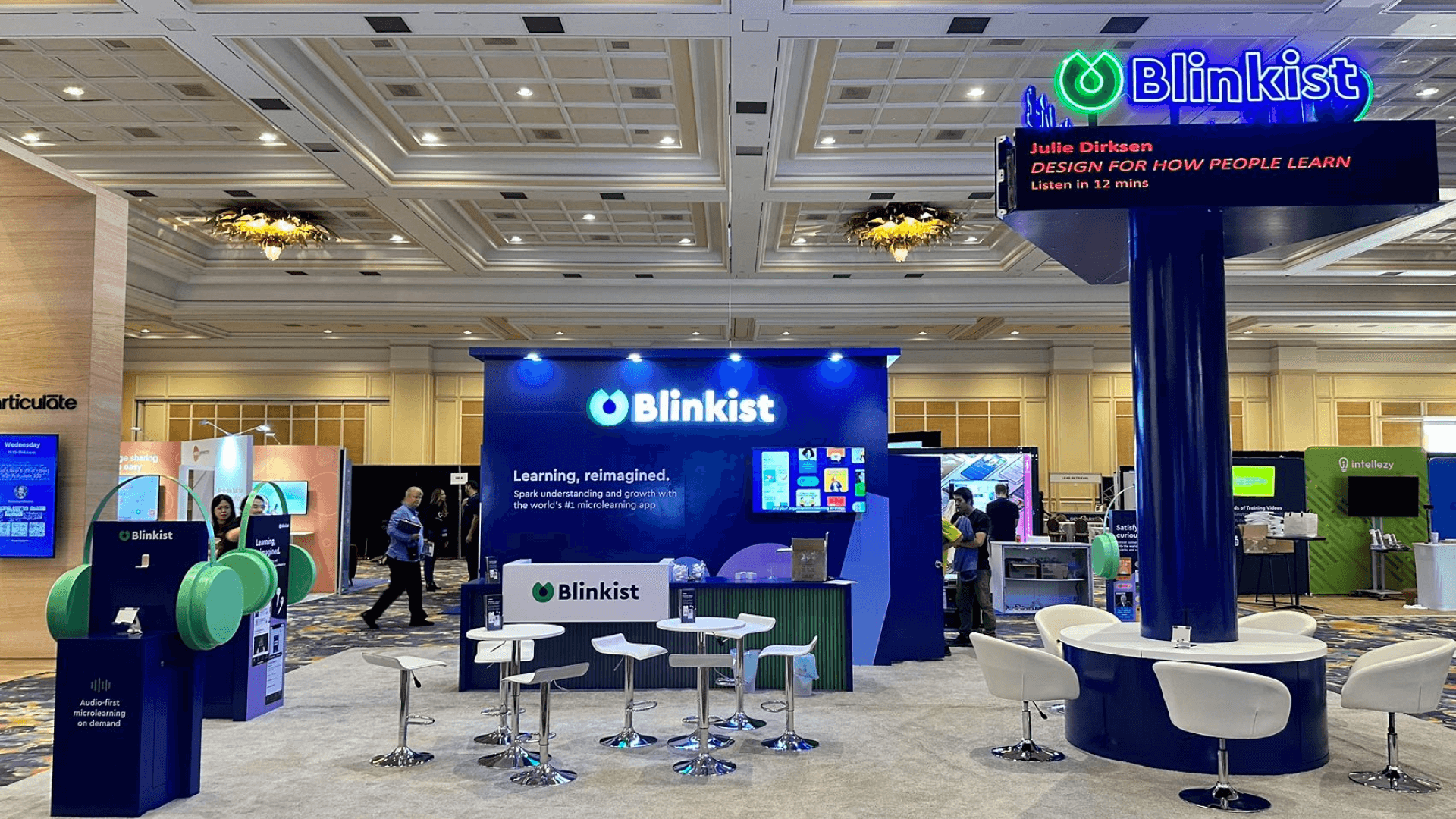
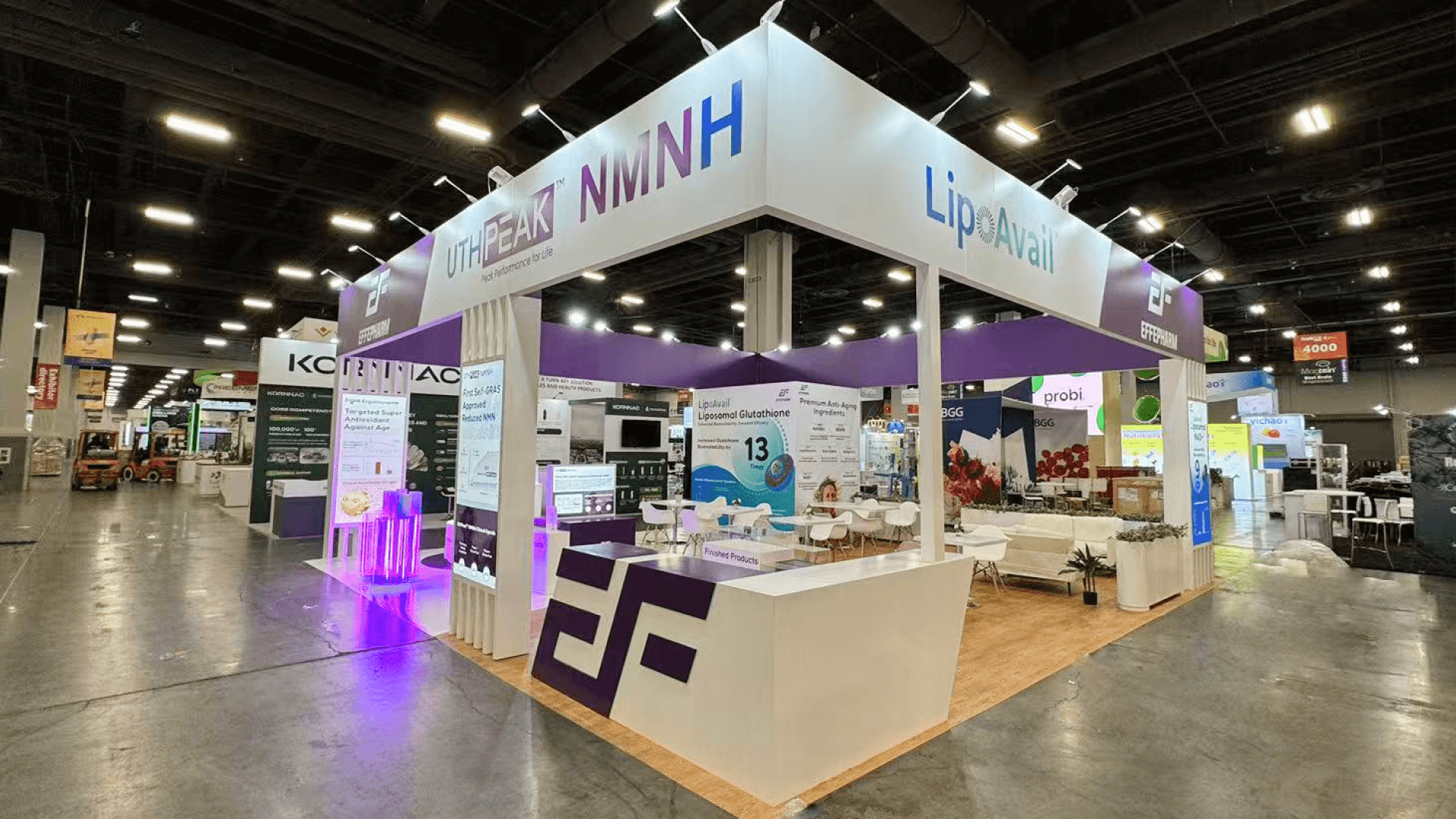
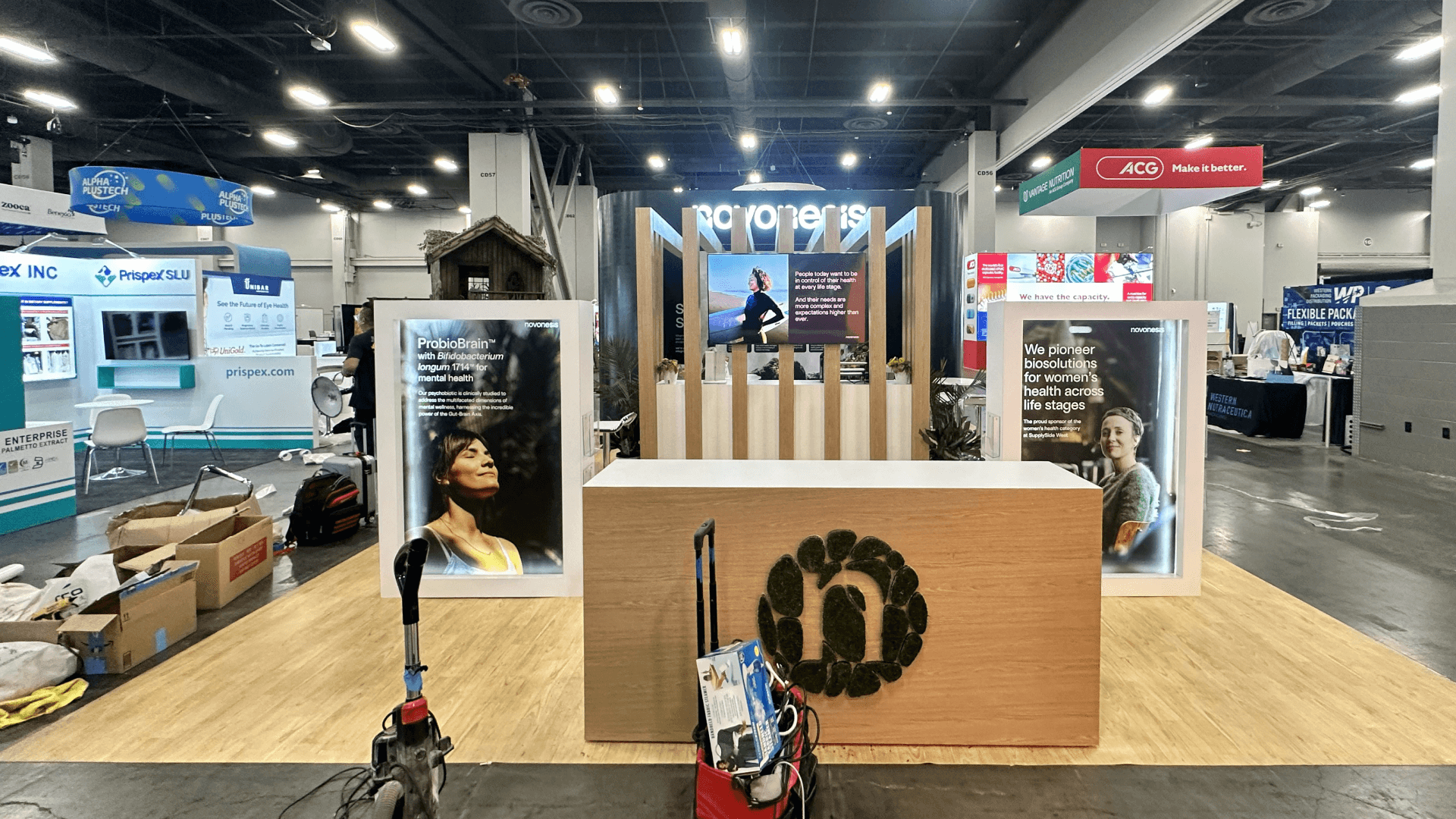
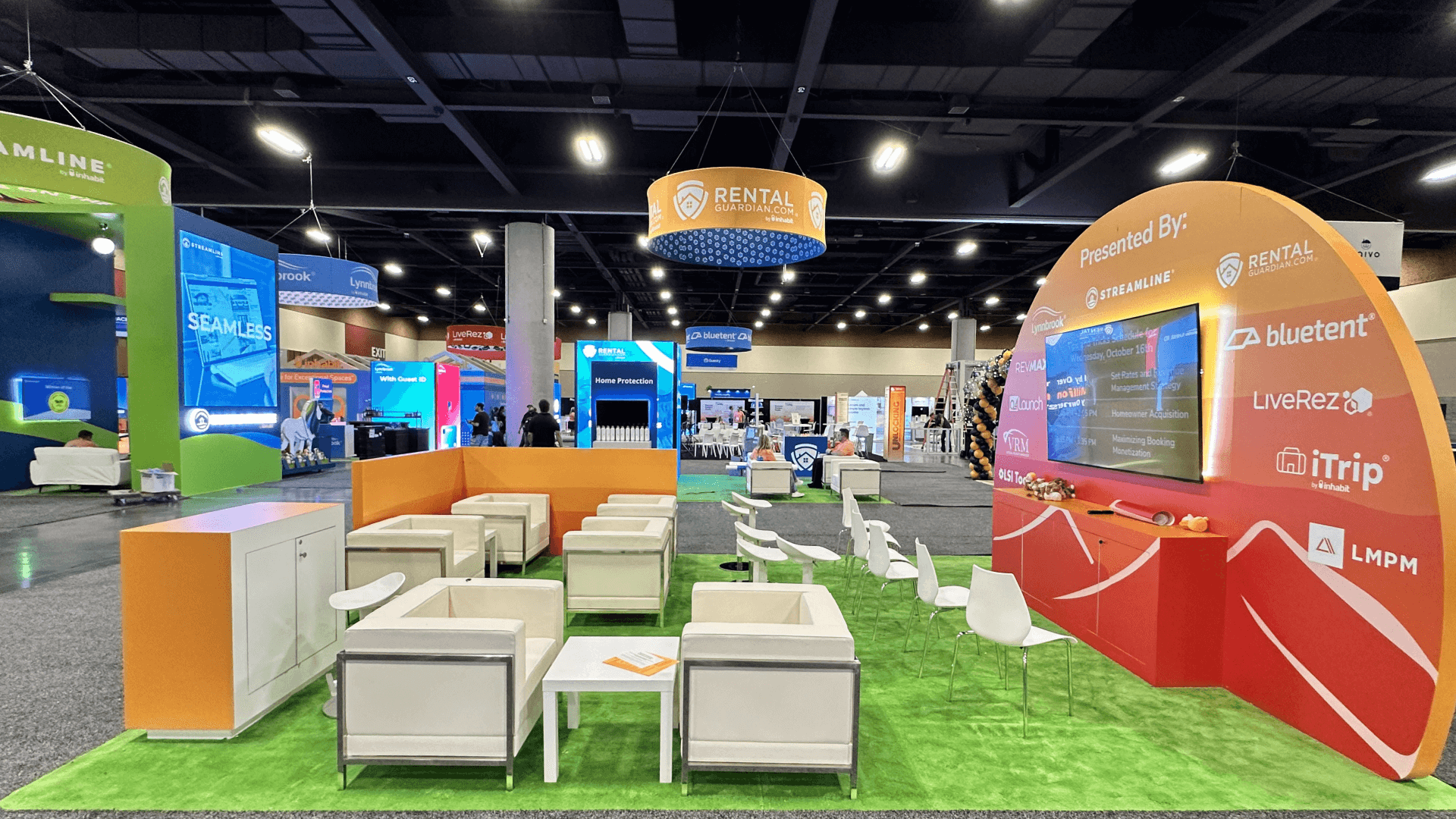
See selected CES booth projects built around product demos, screen-led storytelling, visitor flow, and technology brand presentation. These examples show how different booth sizes and layouts support CES exhibitors at Las Vegas convention venues.
For visual examples of technology demo layouts, screen-forward booth structures, and product presentation zones, explore our CES booth project examples.