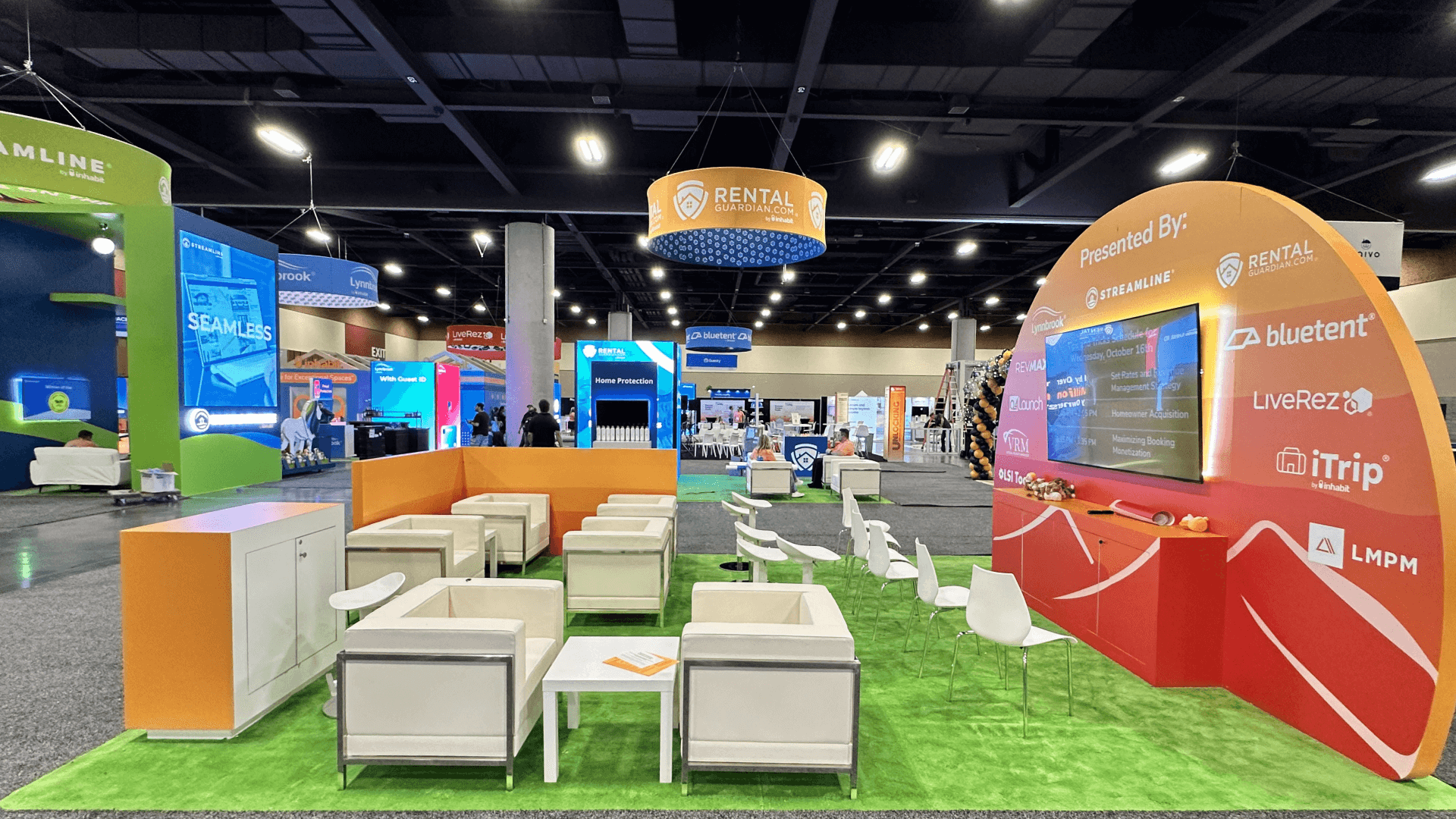
NAB Show Booth Planning at LVCC

How should exhibitors plan a NAB Show booth in Las Vegas?
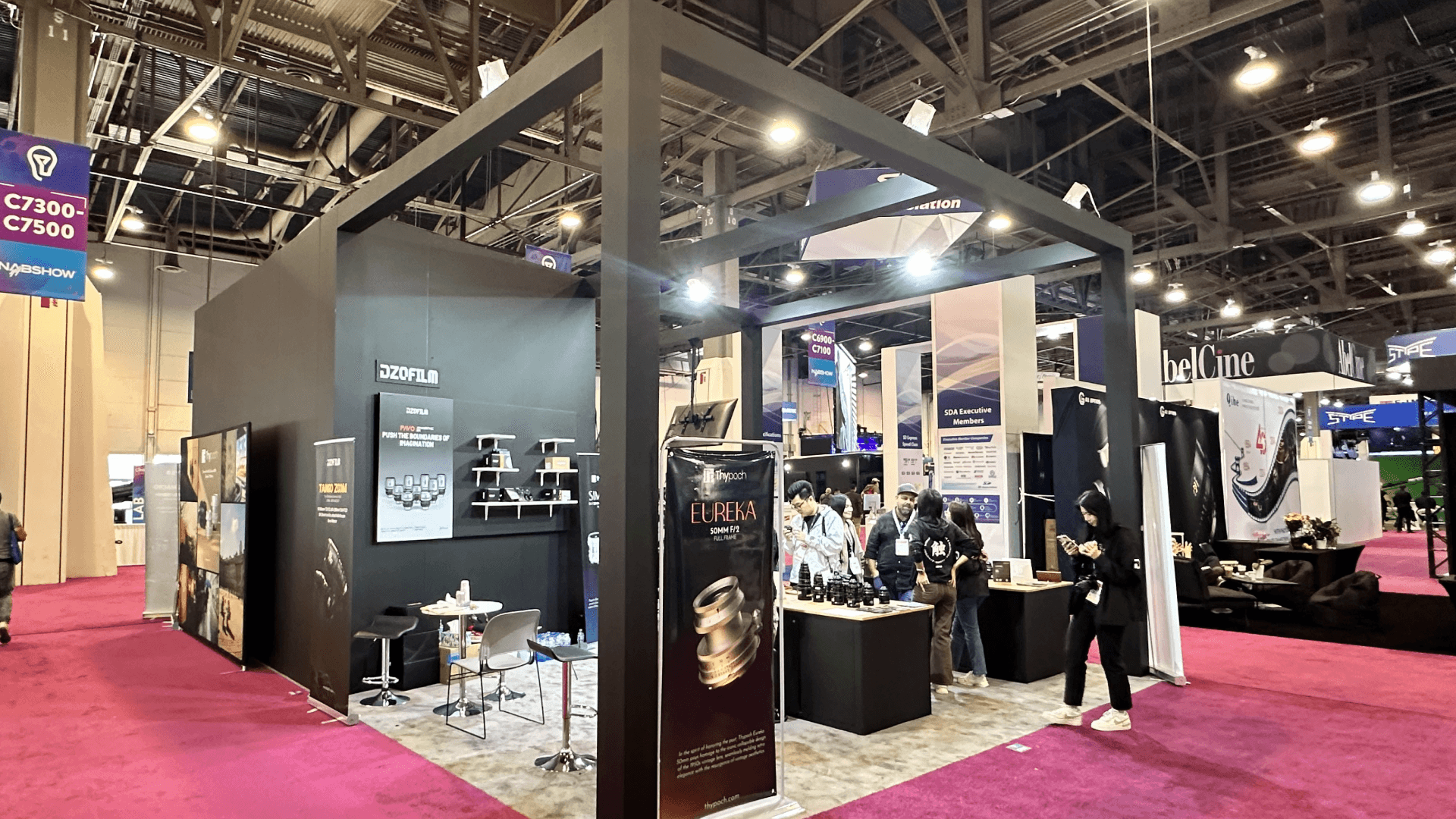
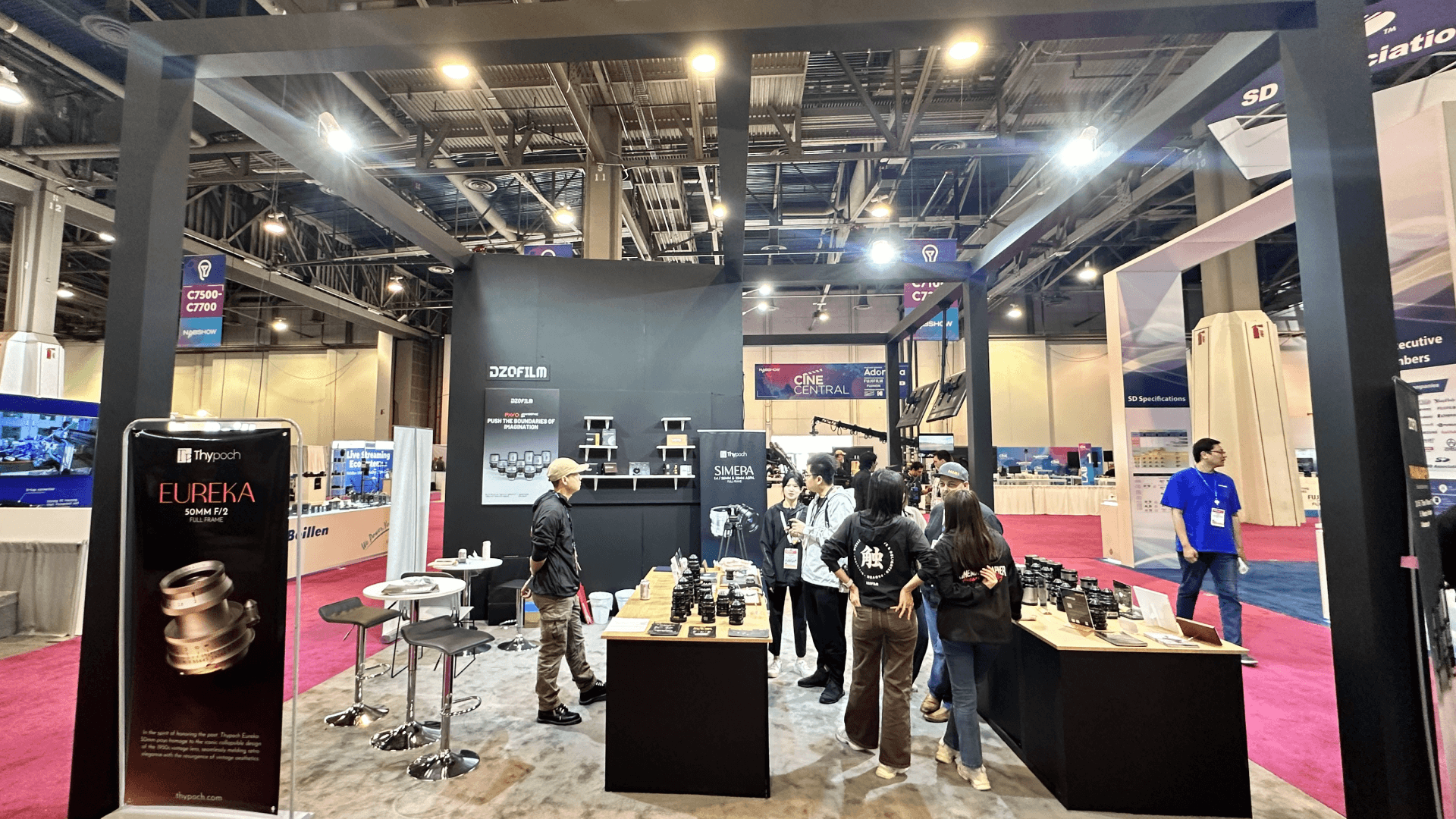
NAB Show booth planning should support broadcast technology, media systems, AV demos, screen walls, and buyer conversations at the Las Vegas Convention Center. Exhibitors need booth layouts that make technical workflows easy to understand while coordinating graphics, power, freight timing, installation, and opening-day system checks.
NAB Show is a key Las Vegas event for broadcast media, content creation, live production, post-production technology, streaming platforms, cameras, audio systems, and professional video equipment. Exhibitors at the Las Vegas Convention Center often need booths that can support live demos, screen walls, equipment displays, technical conversations, and private meetings.
For exhibitors planning AV-heavy booths, product demonstrations, lighting-sensitive displays, and multi-zone visitor flow, NAB booth planning should connect creative presentation with show-site execution. Circle Exhibit supports exhibitors with Las Vegas trade show booth builder planning, 20x30 booth planning for demo-focused layouts, and on-site installation and dismantle support before the floor opens.
Because NAB booths often depend on screens, cameras, lighting, audio, demo counters, and technical staff coordination, the booth should be planned around how visitors will watch, compare, ask questions, and move from product interest to a deeper conversation.
NAB booths often need to support live demonstrations, camera setups, screen content, meeting areas, product displays, storage, and controlled visitor movement. The right booth size depends on how many products are being shown, whether demos need sound or screen support, and how much space the team needs for technical conversations.
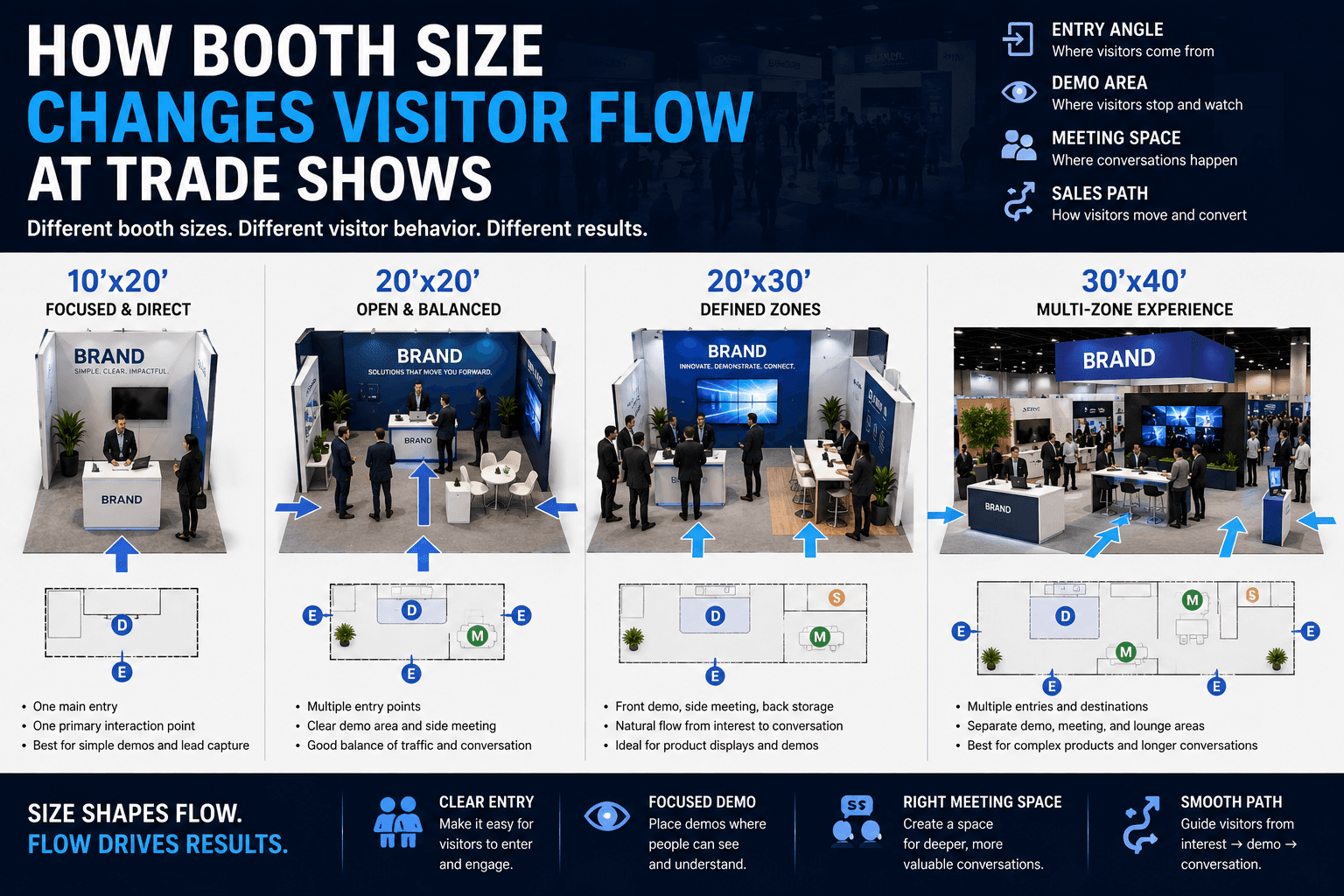
A 10x20 booth can work for focused product demos, software walkthroughs, camera accessories, audio tools, or compact media technology displays. It is best used with a clear backwall, one demo counter, a small screen area, and graphics that quickly explain what the product does.
A 20x30 booth is a strong fit for camera brands, broadcast technology companies, AV platforms, and software exhibitors that need multiple demo points or a larger screen wall. For brands comparing demo flow, equipment placement, and visitor movement, 20x30 booth planning can provide enough space for both technical explanation and buyer conversations.
A 20x20 booth gives NAB exhibitors more flexibility for screen content, equipment demos, reception, light storage, and one small meeting area. Exhibitors reviewing 20x20 booth planning can use this size when they need better aisle access and a more open demo layout without building a large multi-zone exhibit.
A 30x40 or larger island booth is often used for broadcast systems, production technology, live demo zones, meeting rooms, and larger screen presentations. Exhibitors planning a 30x40 booth should account for freight timing, AV routing, lighting, rigging or hanging sign coordination, storage, and installation sequence before materials arrive at the Las Vegas Convention Center.
For NAB exhibitors, booth size affects more than footprint. It changes how visitors enter the booth, where they stop for screen content, how demo counters are positioned, and whether meeting areas can stay separate from aisle traffic. This guide explains how booth size changes visitor flow at trade shows and why layout planning matters before the booth structure is finalized.
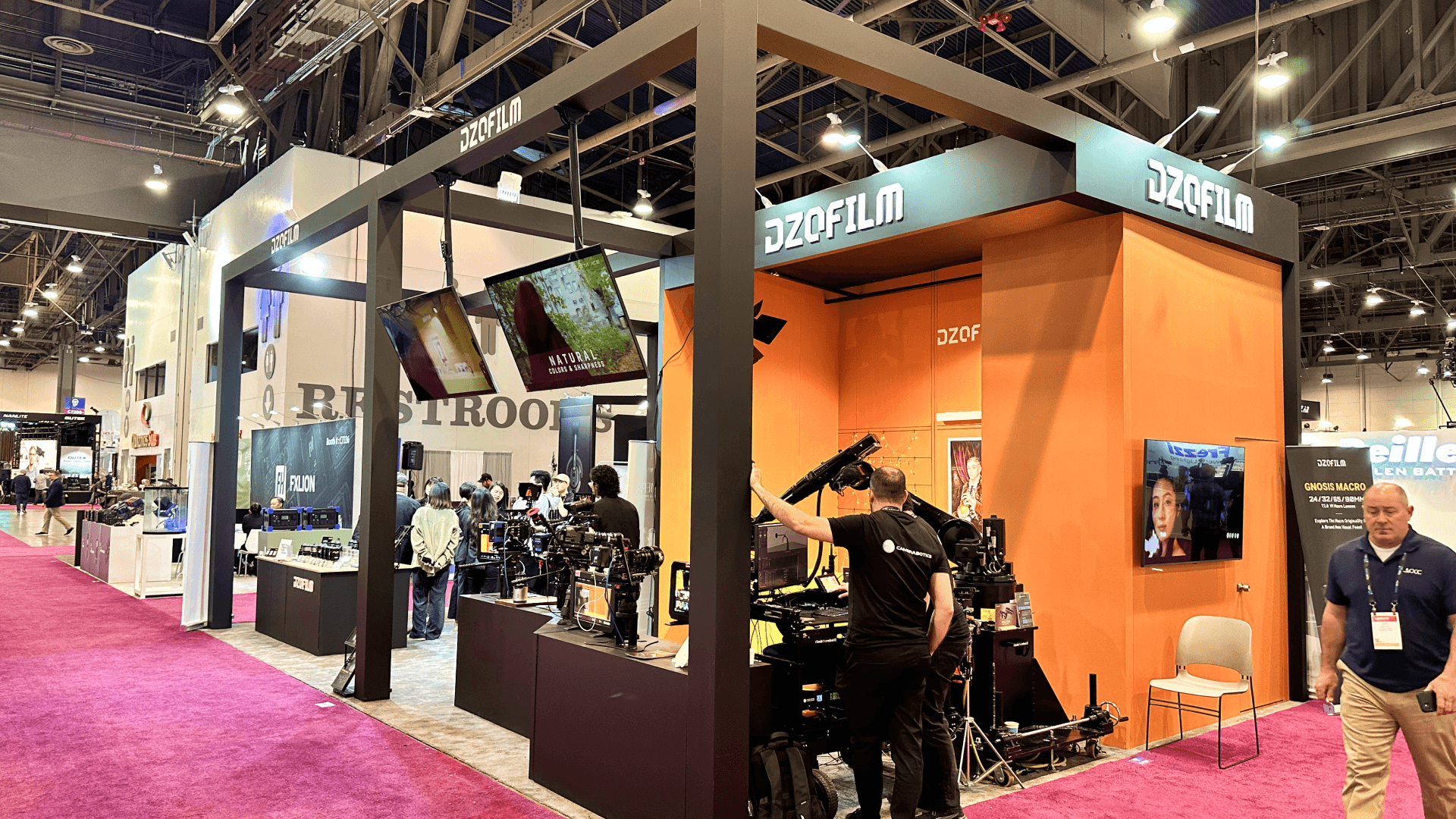
NAB booths are often judged by how clearly visitors can see, hear, test, and understand broadcast or media technology. A strong booth layout should make the demo visible from the aisle, then guide visitors toward screen content, hands-on product explanation, technical conversations, and private meetings.
Camera, lens, lighting, and broadcast equipment displays need stable demo zones with enough room for staff and visitors to stand without blocking the aisle. Product counters, sample placement, lighting angles, and storage should be planned before the booth structure is finalized.
Many NAB exhibitors rely on screens to show production workflows, software platforms, streaming tools, image quality, editing systems, or live broadcast examples. Screen walls should be positioned where visitors can understand the product from the aisle, while nearby counters or meeting areas give the team space to continue the discussion.
NAB booths often depend on technical details that are not visible in a basic floor plan. Audio demos, lighting setups, charging needs, cable routes, routers, and device connections should be reviewed before installation so the booth can support live demonstrations during the show.
Broadcast and media buyers often need more than a quick product overview. Larger NAB booths may need semi-private meeting areas, consultation tables, or demo follow-up zones where teams can discuss specifications, integration, pricing, and use cases away from the busiest aisle traffic.
NAB Show focuses on professional video, broadcasting, live production, streaming, and media technology workflows.
Exhibits often include camera rigs, control room demos, LED walls, and live switching/streaming environments that require technical planning.
NAB exhibitors typically plan around Las Vegas venue rules, union labor coordination, and drayage/material handling timelines.
Challenges 1
Challenges 2
Challenges 3
Challenges 4
Challenges 5
Challenges 6
1
Define Demo Scenarios and Production Workflow
2
3
4
When a Rental Booth Works Well
A customizable booth rental in Las Vegas can work well for NAB exhibitors who need branded graphics, counters, screen support, product shelves, demo areas, meeting space, and a professional structure without fabricating every component from scratch. It is often a practical fit for 10x20, 20x20, and some 20x30 booth plans with focused AV or media technology demos.
When a Custom Build Makes More Sense
A custom build is usually a better fit when the NAB booth depends on a large screen wall, live production demo, multiple equipment zones, private meeting rooms, overhead visibility, custom lighting, or a layout that needs to control how visitors experience technical content. Larger 30x40 and multi-zone booths often need Las Vegas trade show booth builder support because design, fabrication, AV coordination, freight, and installation have to work together.
How to Decide Before NAB
Exhibitors should decide based on how the booth will be used during the show. If the booth needs a clean branded structure with a few screens, counters, and product demos, rental may be enough. If the booth depends on complex demo flow, stronger AV integration, private meeting control, or multi-zone technical storytelling, builder-led planning is usually the safer route.
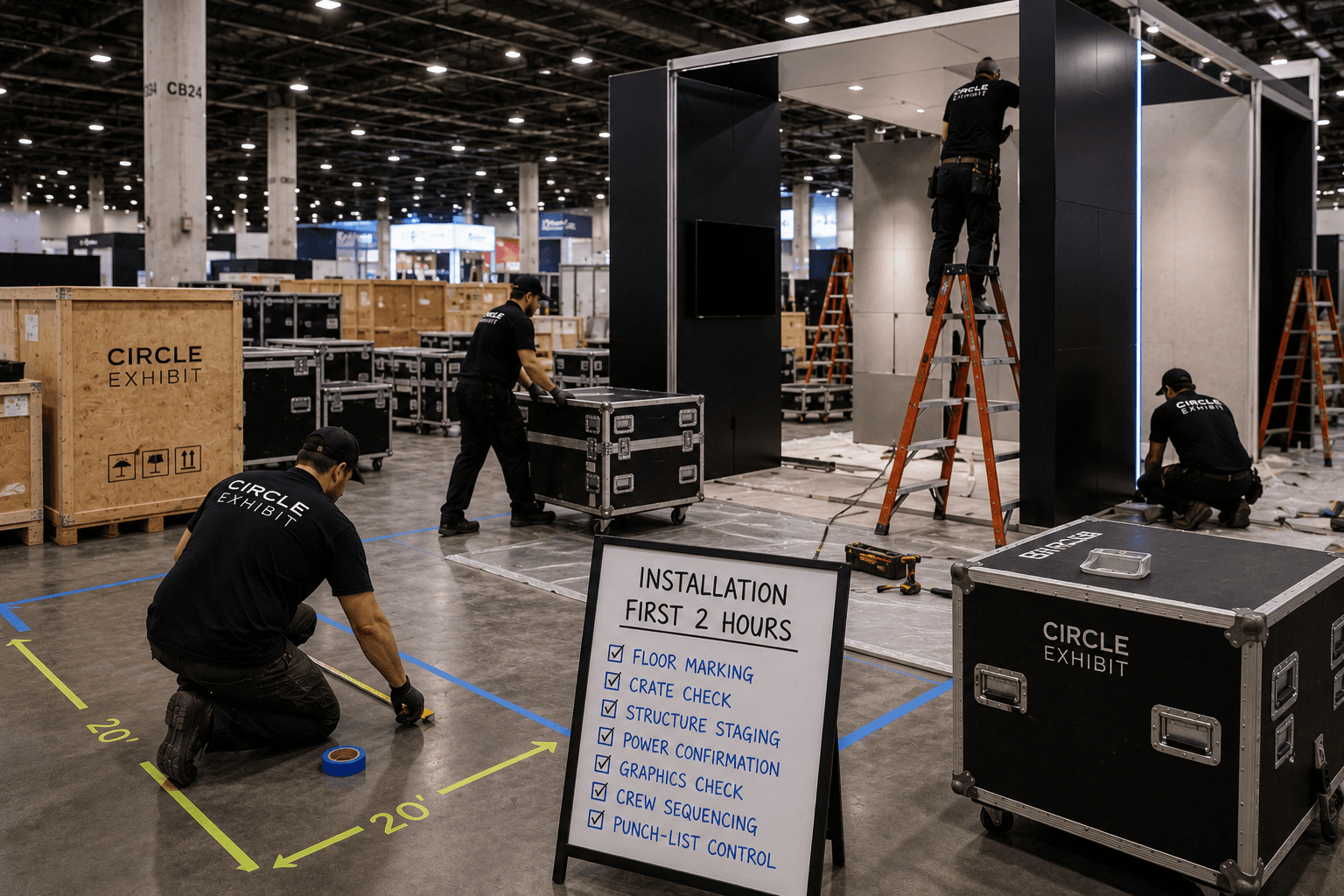
NAB booths often include screens, demo hardware, lighting, cameras, audio equipment, counters, graphics, and network-dependent tools. AV setup should be coordinated with the installation sequence so the booth structure, power access, screen positions, and demo areas are ready before final checks begin.
Broadcast and media technology booths need a clear path from aisle visibility to product explanation. Demo counters, screen walls, equipment placement, and meeting areas should be checked during setup so visitors can watch, ask questions, and move through the booth without blocking technical staff.
NAB booths often depend on power, signal routing, charging points, routers, cables, monitors, or audio connections. These details should be planned before show-site installation so cable paths, counters, graphics, and visitor flow do not conflict on the floor.
Before the floor opens, the booth should be checked for screen content, lighting, device readiness, demo equipment, lead capture tools, staff access, and aisle-facing visibility. These final checks help reduce technical friction during the first rush of visitors.
NAB Show Booth Rental Planning for Technology and Media Demos
For NAB Show exhibitors, a rental booth can support broadcast technology demos, screen displays, product counters, branded graphics, meeting space, and storage. 20x20 and 20x30 rental layouts are useful when exhibitors need clear demo flow, AV visibility, buyer conversations, and Las Vegas show-site setup support without a fully custom island structure.
What booth setups are common at NAB Show?
NAB booths often include demo counters, LED walls, and studio-style zones to showcase cameras, broadcast monitors, and live production systems—ranging from inline booths to large island exhibits.
Do NAB exhibitors need to plan rigging and power differently?
What logistics factors matter most for NAB booth execution in Las Vegas?
Is a rental booth suitable for NAB exhibitors?
What should NAB exhibitors prepare before booth installation?
For NAB exhibitors planning custom booth structures, screen walls, AV demo zones, meeting areas, and show-site installation in Las Vegas.
For exhibitors who need a branded NAB rental booth with graphics, counters, screen support, product demos, and installation planning at the Las Vegas Convention Center.
For NAB booths that need camera demos, screen content, product counters, meeting space, and controlled visitor flow without moving into a larger island footprint.
For NAB booths that need coordinated installation, screen placement, graphics setup, power or AV alignment, final checks, and clean dismantle after the show.
For NAB Show exhibitors preparing screen walls, camera demos, AV equipment staging, power coordination, booth installation, and opening-day readiness at the Las Vegas Convention Center.
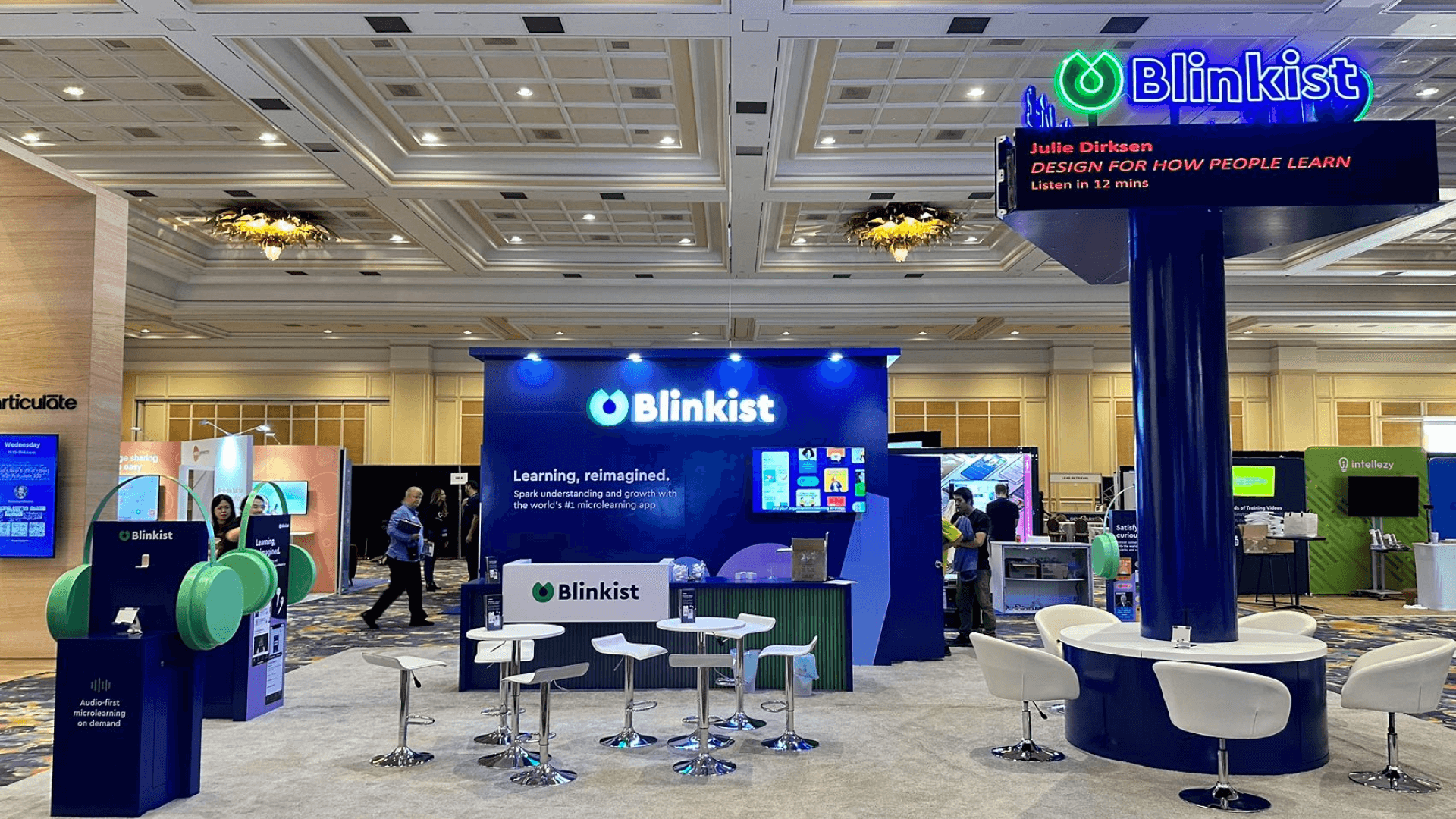
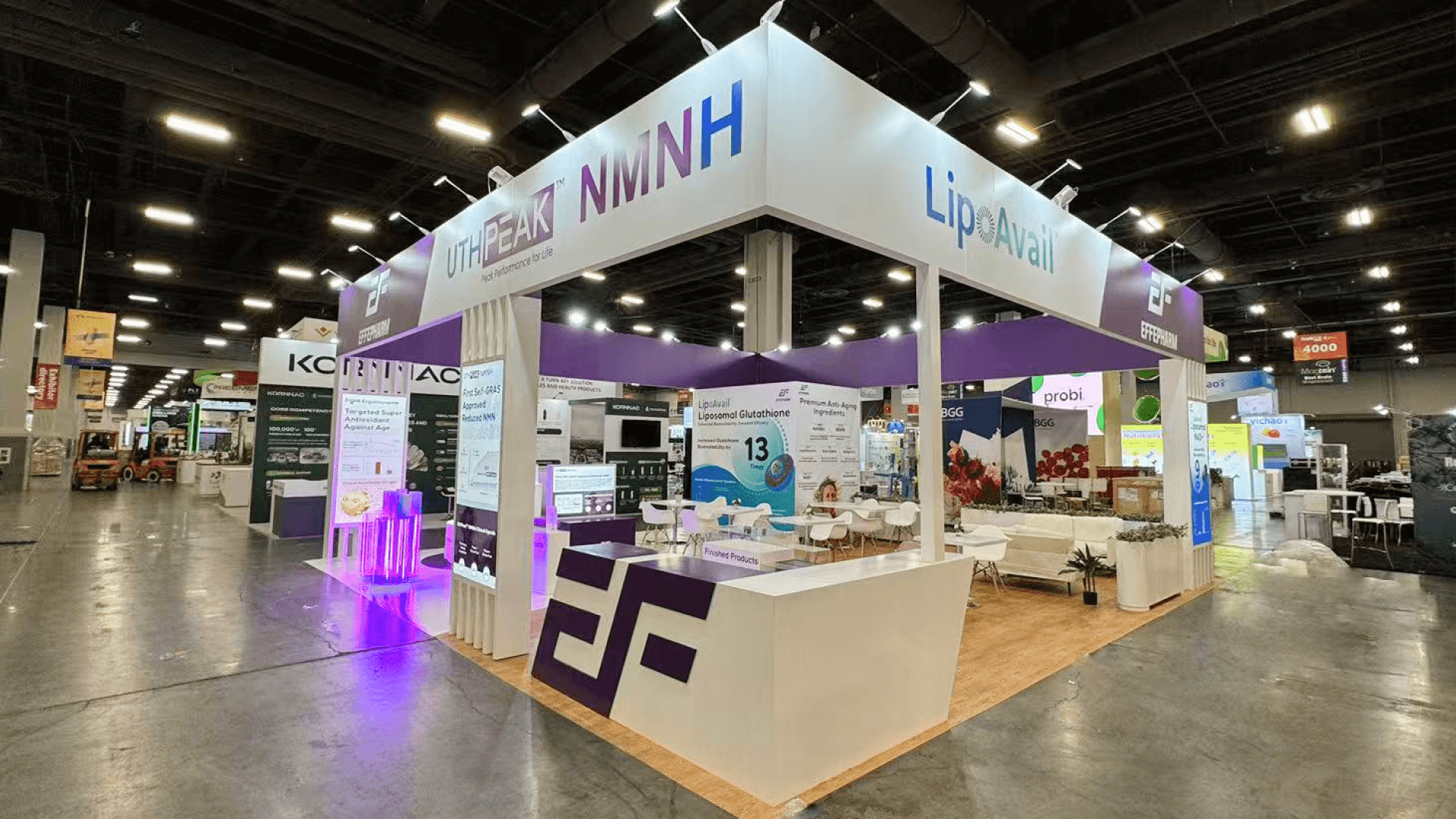
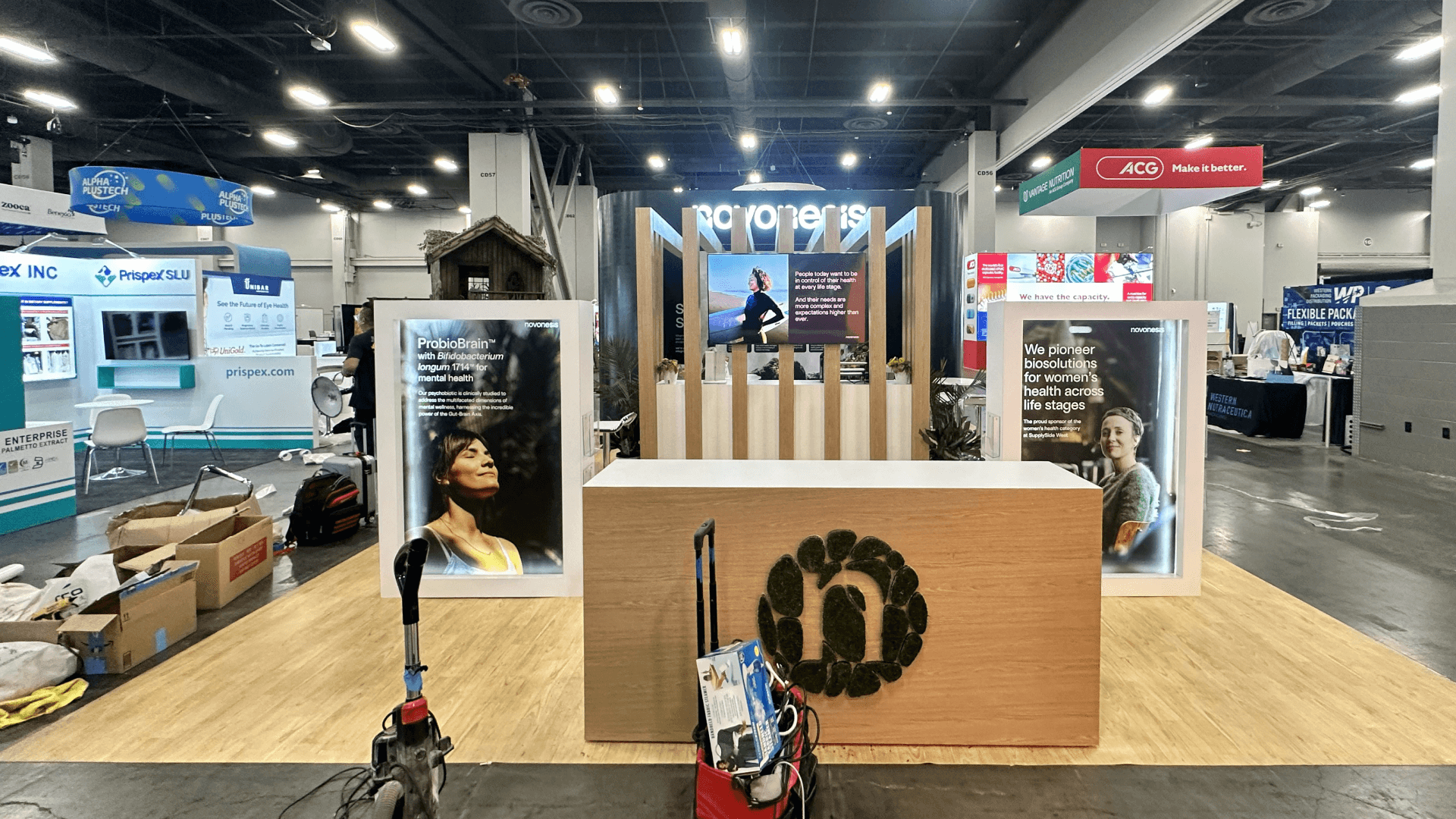
NAB Show planning often becomes clearer when you can compare how different booth sizes, screen-led demo layouts, operator-facing counters, and visitor flow work across real projects. Explore our NAB Show Booth Projects collection to see grouped examples from actual builds, including layouts shaped around broadcast workflow, media presentation, branded visibility, and controlled show-floor viewing.