RE+ Booth Planning
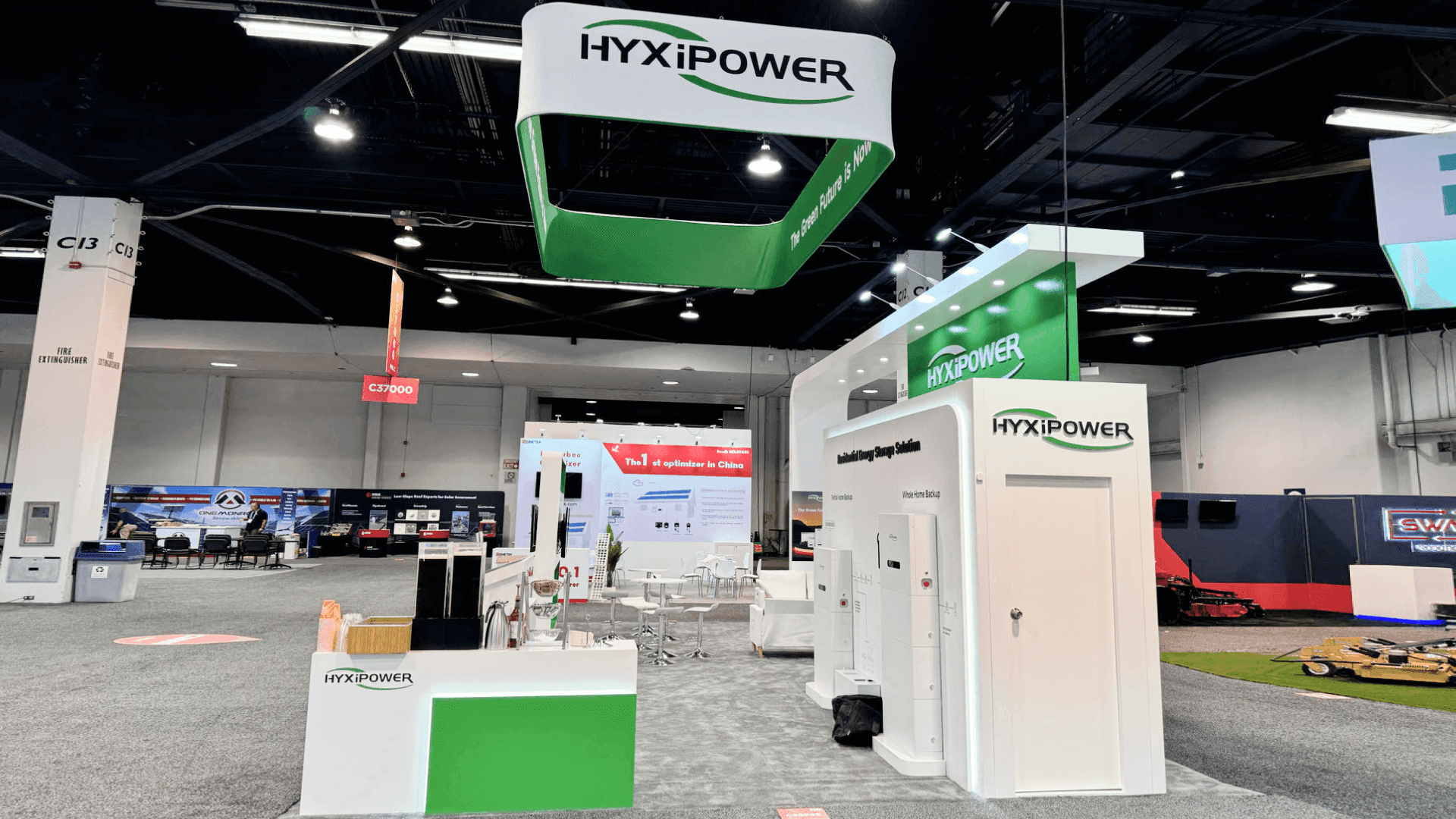

How should exhibitors plan an RE+ booth?
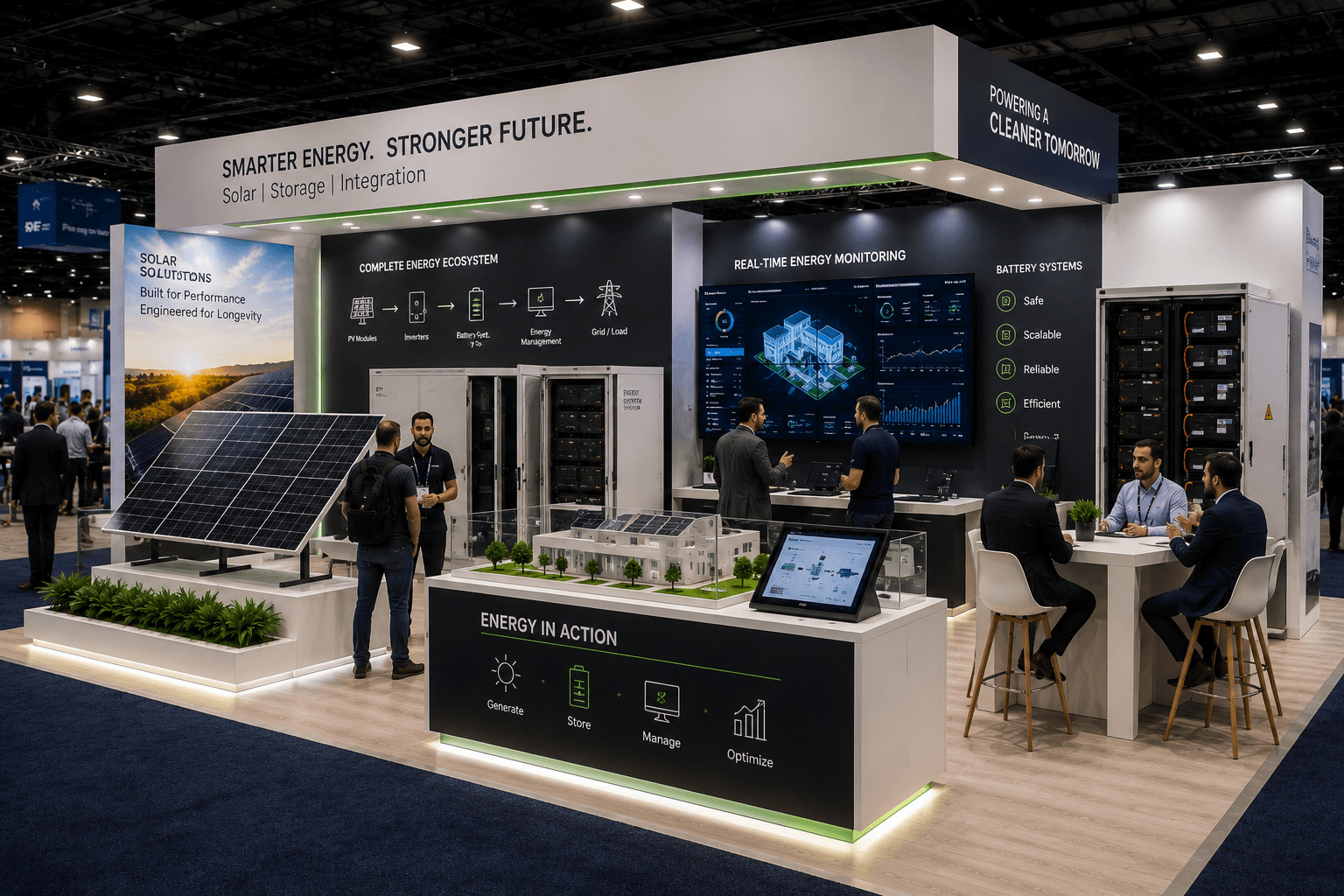
An RE+ booth should organize solar modules, battery storage displays, inverters, EV charging visuals, energy dashboards, demo counters, and meeting space around a clear technical story. At LVCC, most exhibitors need a 20x20, 20x30, or 30x40 layout with power access, cable routing, freight timing, drayage, and installation planning.
RE+ 2026 brings solar, energy storage, hydrogen, EV infrastructure, microgrid, wind, and grid technology exhibitors to Las Vegas Convention Center for one of North America’s most important clean energy trade shows. For exhibitors, the booth often needs to explain complex systems quickly: solar modules, battery cabinets, inverter displays, EV charging units, grid software, and infrastructure-scale solutions must be organized in a way that buyers can understand before a technical conversation begins.
Because RE+ 2026 expands to LVCC, booth planning should account for longer hall movement, larger product displays, freight timing, and installation sequencing. A 30x40 trade show booth can support solar and battery storage demonstrations, meeting counters, sample walls, and clear aisle-facing visibility without forcing technical discussions into crowded spaces.
For clean energy brands preparing larger exhibits, working with a Las Vegas trade show booth builder helps align booth fabrication, drayage, union labor, power access, graphics, and on-site installation before move-in. Exhibitors with equipment-heavy booths should also plan early through logistics and pre-show coordination so crates, structures, and demo components arrive in a buildable order.
RE+ exhibitors should choose booth size based on product scale, technical demo needs, meeting flow, storage, electrical requirements, and how much hardware needs to be displayed. Solar panels, battery cabinets, inverter samples, EV charging units, and monitoring dashboards often need more space than standard product displays.
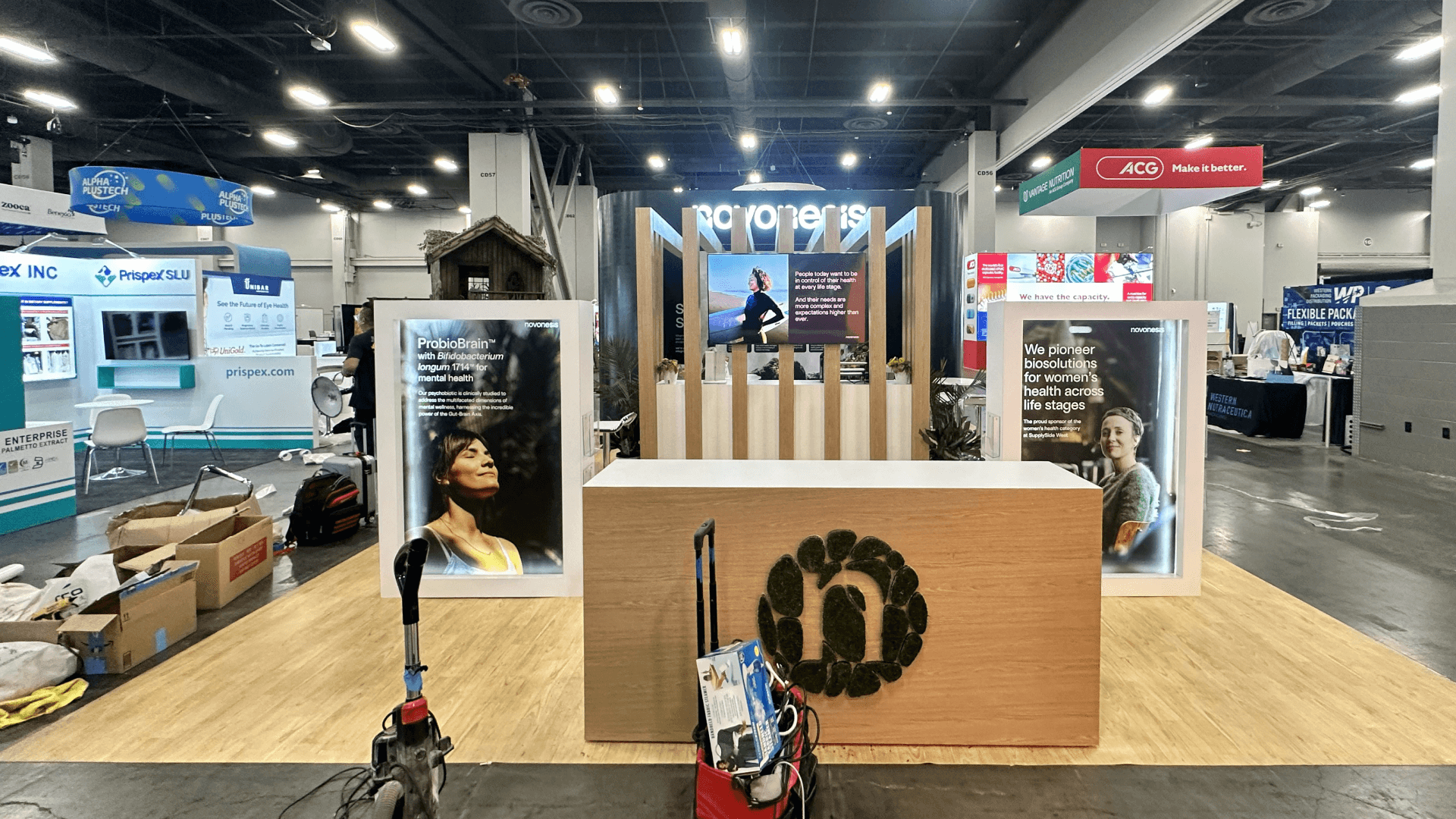
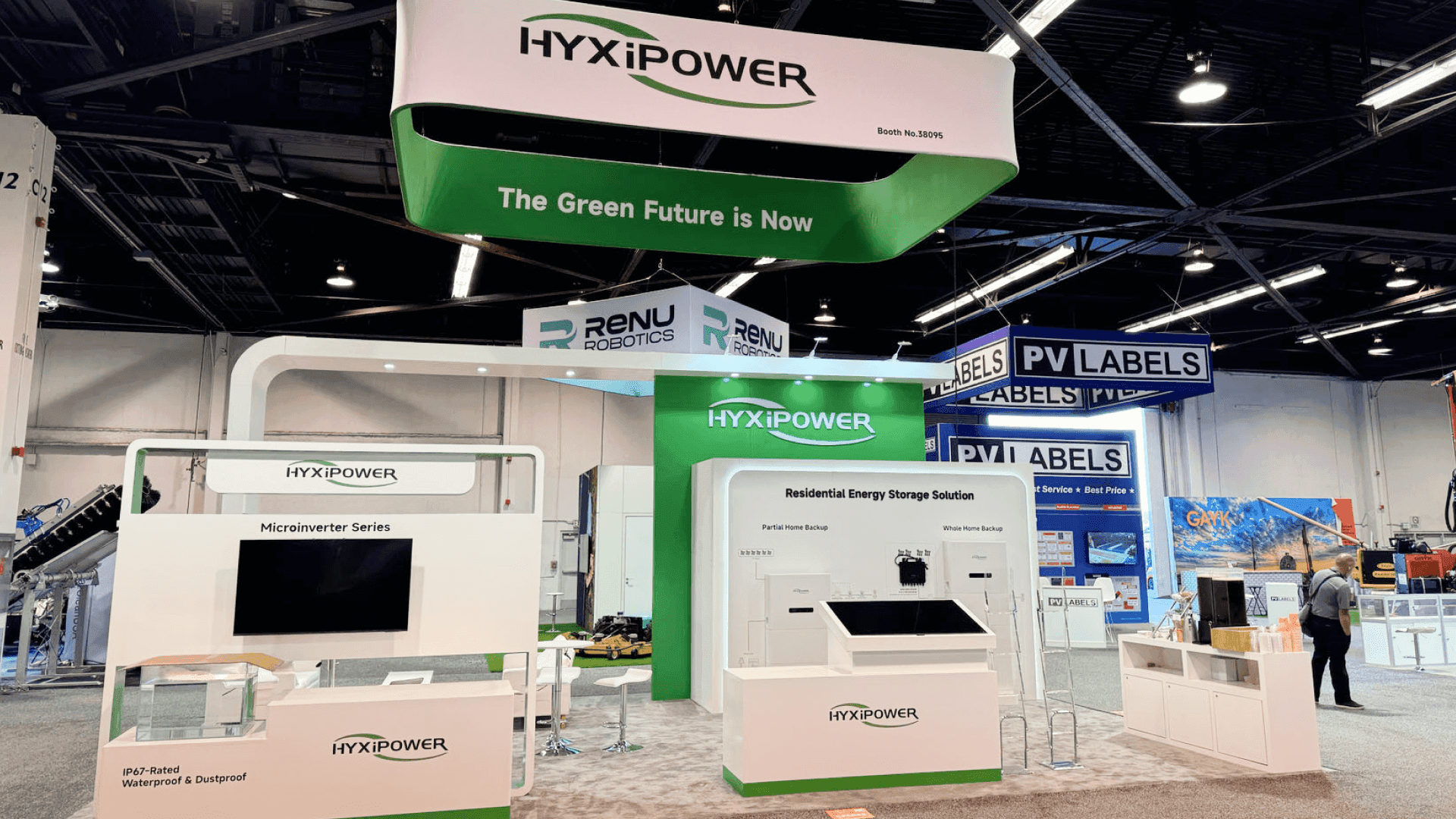
A 20x20 booth planning approach can work for RE+ exhibitors with one focused clean energy product story, such as an inverter demo, battery sample, monitoring dashboard, or compact solar display. The layout should keep the technical demo visible while leaving enough space for staff explanation and short buyer conversations.
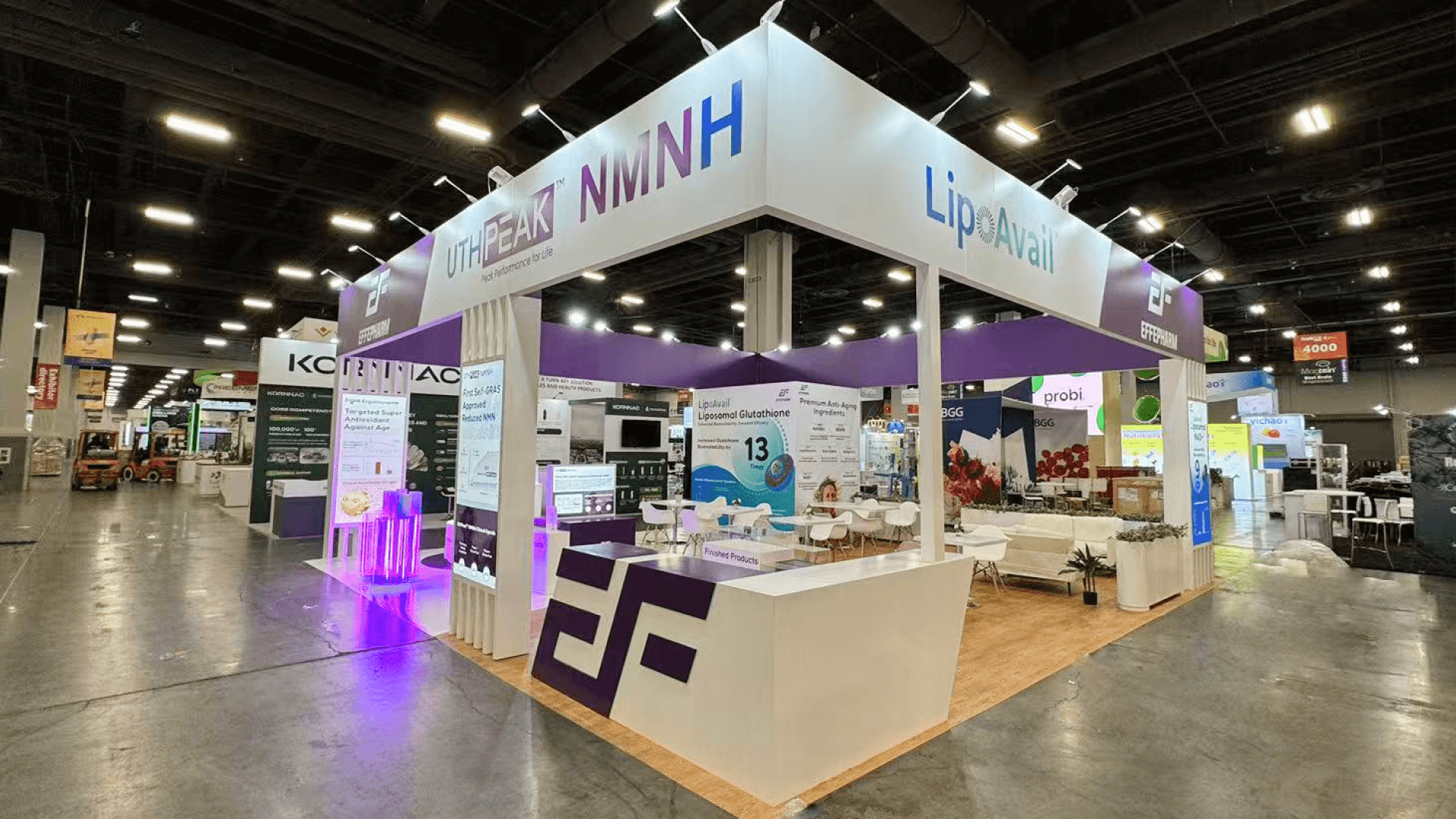
A 30x40 trade show booth can support larger clean energy presentations with solar module displays, battery storage visuals, dashboard screens, meeting zones, storage, and stronger long-range visibility. This size is often better for brands that need to explain multiple system layers inside one booth.
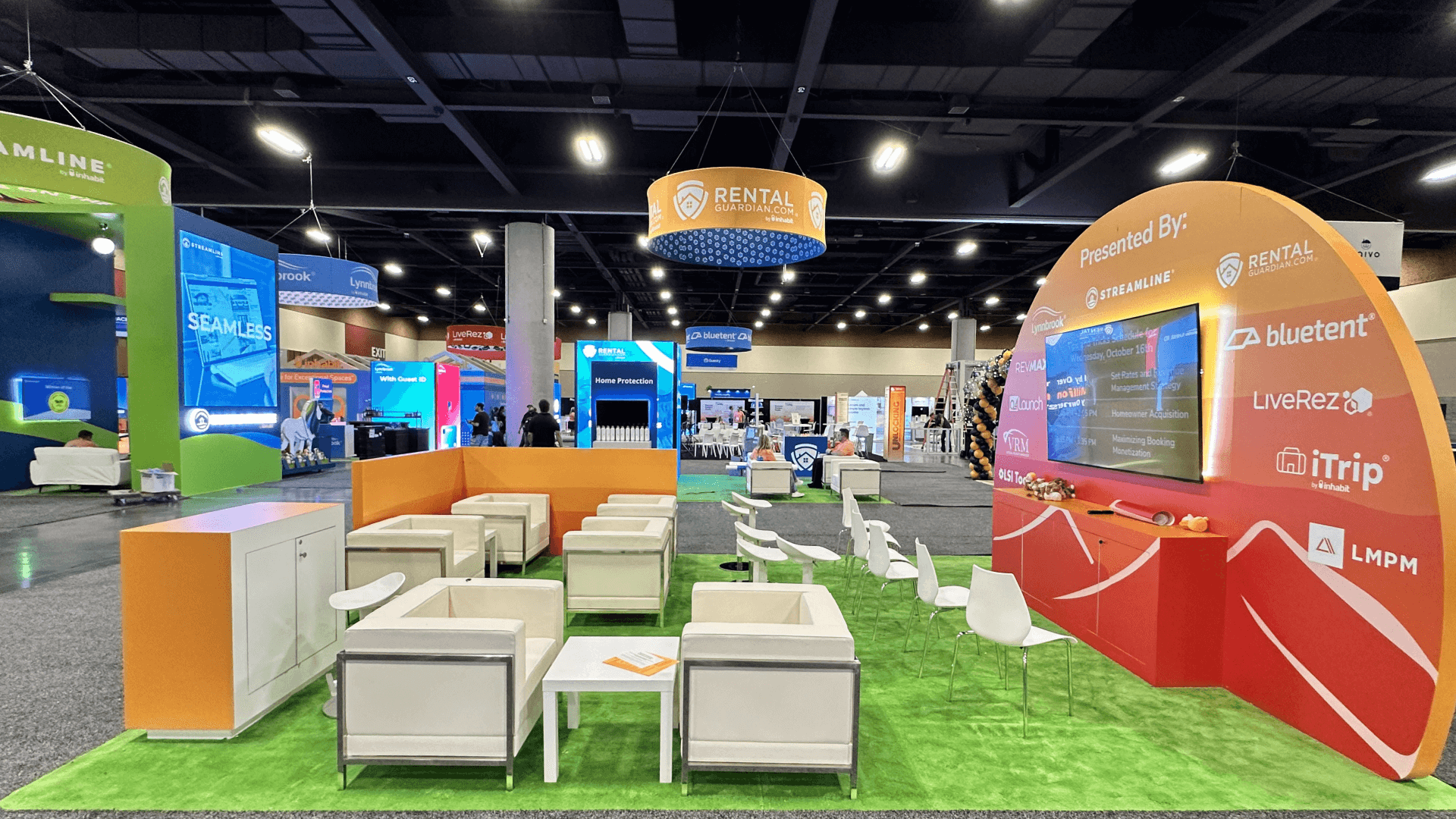
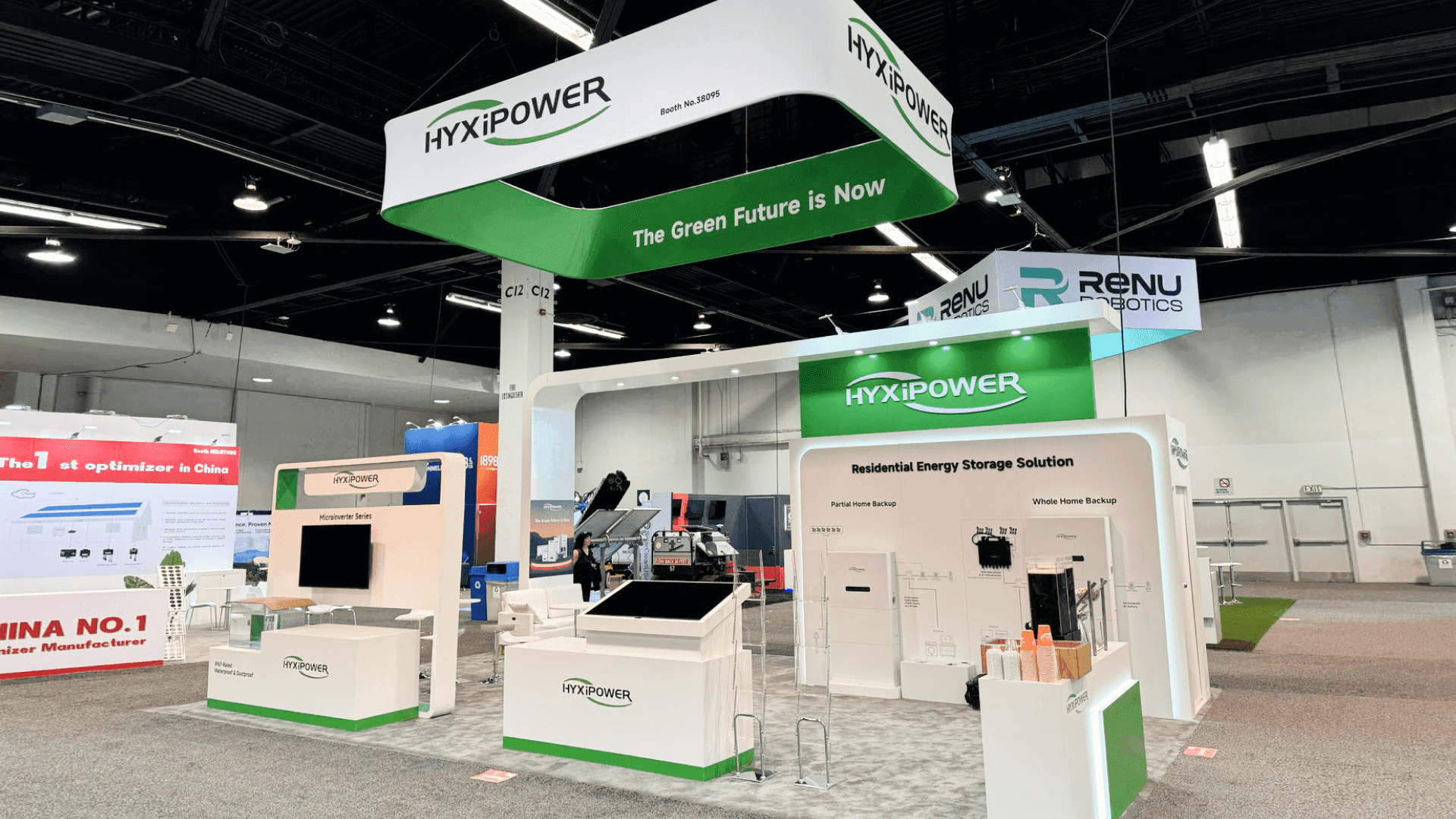
A 20x30 booth planning direction gives solar, battery, and EV infrastructure exhibitors more room for product displays, demo counters, screen walls, sample zones, and meeting counters. It is useful when visitors need to understand a system flow before moving into detailed technical discussion.
Larger island booths are better when exhibitors need heavy product references, multiple demo stations, larger meeting areas, or a stronger infrastructure story. These layouts should plan product staging, freight order, electrical access, cable routing, structural support, and final show-floor checks before production.
RE+ booth planning depends on booth size, system storytelling, technical demo flow, rental structure choices, drayage, power access, and LVCC setup timing. Exhibitors can use supporting articles to compare layout decisions before finalizing production.
For clean energy exhibitors, RE+ booth planning for solar and battery exhibitors explains how solar panels, battery systems, storage components, monitoring dashboards, meeting counters, and show-site execution connect into one visitor path. For layout decisions, booth size and visitor flow planning helps compare how 20x20, 20x30, and 30x40 footprints affect demos, meetings, storage, and staff handoff.
Because RE+ booths often include heavier samples, crates, screens, product structures, and power needs, the Las Vegas booth drayage and move-in guide can help exhibitors understand freight release, crate staging, installation timing, and final show-floor readiness. Exhibitors comparing flexible structures can also review customizable booth rental vs custom booth build before choosing a rental or custom direction.
RE+ booth planning should make complex clean energy systems easier to understand. Exhibitors often need to show how solar products, battery storage systems, inverters, EV charging hardware, monitoring dashboards, microgrid technology, or grid software connect inside a larger energy workflow.
Solar panels and mounting examples should be positioned for visibility and explanation, not just placed as large objects. Angled displays, product labels, nearby graphics, and staff access help visitors understand the application before comparing technical details.
Battery cabinets, modules, racks, and energy storage samples need clear context. A strong display should explain whether the system supports residential storage, commercial energy management, utility-scale projects, backup power, solar-plus-storage, or microgrid use.
Energy monitoring dashboards, inverter data, EV charging workflows, and grid software demos should be placed where visitors can read the screen and hear the explanation. Power access, cable routing, counter height, and staff position should be planned together.
RE+ buyers may ask about efficiency, safety, integration, capacity, project fit, installer needs, or utility-scale deployment. Booth layouts should move qualified visitors from product recognition into a focused meeting counter or technical conversation zone.
RE+ brings solar, energy storage, hydrogen, EV infrastructure, microgrid, wind, and grid technology exhibitors together with utilities, developers, EPCs, investors, manufacturers, and large-scale energy buyers. Booth planning often needs to support both technical product explanation and high-value partnership conversations.
RE+ 2026 takes place at Las Vegas Convention Center, creating a larger venue environment for clean energy exhibits. Exhibitors should plan around longer hall movement, freight timing, drayage, union labor coordination, and installation sequencing before final booth production.
Many RE+ booths involve solar modules, battery storage cabinets, inverter displays, EV charging units, grid software screens, hydrogen systems, or infrastructure-scale product mockups. Clear zoning helps visitors understand technical systems before moving into deeper sales or engineering discussions.
Challenges 1
Challenges 2
Challenges 3
Challenges 4
Challenges 5
Challenges 6
1
Engineering review for solar + storage equipment loads
2
3
4
Rental works for focused clean energy displays
A customizable booth rental in Las Vegas can work well for RE+ exhibitors with a focused product story, branded backwall, demo counter, screen display, meeting space, and clean aisle flow. It is especially practical for 20x20 and 20x30 booths where the goal is a polished technical presentation without a fully custom structure.
Custom build helps with equipment integration
A custom booth build is better when the exhibitor needs heavier product walls, larger structures, integrated lighting, custom counters, elevated branding, private meeting areas, or stronger equipment staging. RE+ brands with solar modules, battery displays, EV charging hardware, or multi-show reuse plans should work with a Las Vegas trade show booth builder when structure and installation details become more complex.
Choose based on demo flow and setup needs
The best option depends on booth size, product count, demo method, power access, freight timing, storage, graphics, and LVCC installation sequence. RE+ exhibitors should decide after mapping technical demos, product displays, screens, meeting counters, cable routing, and opening-day readiness.
Large crates, booth structures, product samples, demo counters, screens, and graphics should be packed and labeled in the order they will be installed. A clear crate sequence helps crews place platforms, walls, equipment, monitors, and final graphics without repeated handling.
RE+ demo areas often depend on screens, dashboards, sample devices, lighting, and charging visuals. Power drops, cable paths, monitor placement, counter locations, and visitor safety should be confirmed before final booth production.
Solar modules, battery visuals, inverter displays, EV charging units, and product mockups should be staged after the main structure is stable and before final demo checks. This reduces floor congestion and helps technical displays stay aligned with the booth story.
Before the show opens, exhibitors should check screen visibility, data display flow, counter access, cable safety, graphics alignment, product labels, storage access, and meeting flow. Technical booths need final readiness checks, not only a clean visual finish.
RE+ Booth Rental Planning for Solar and Energy Product Demos
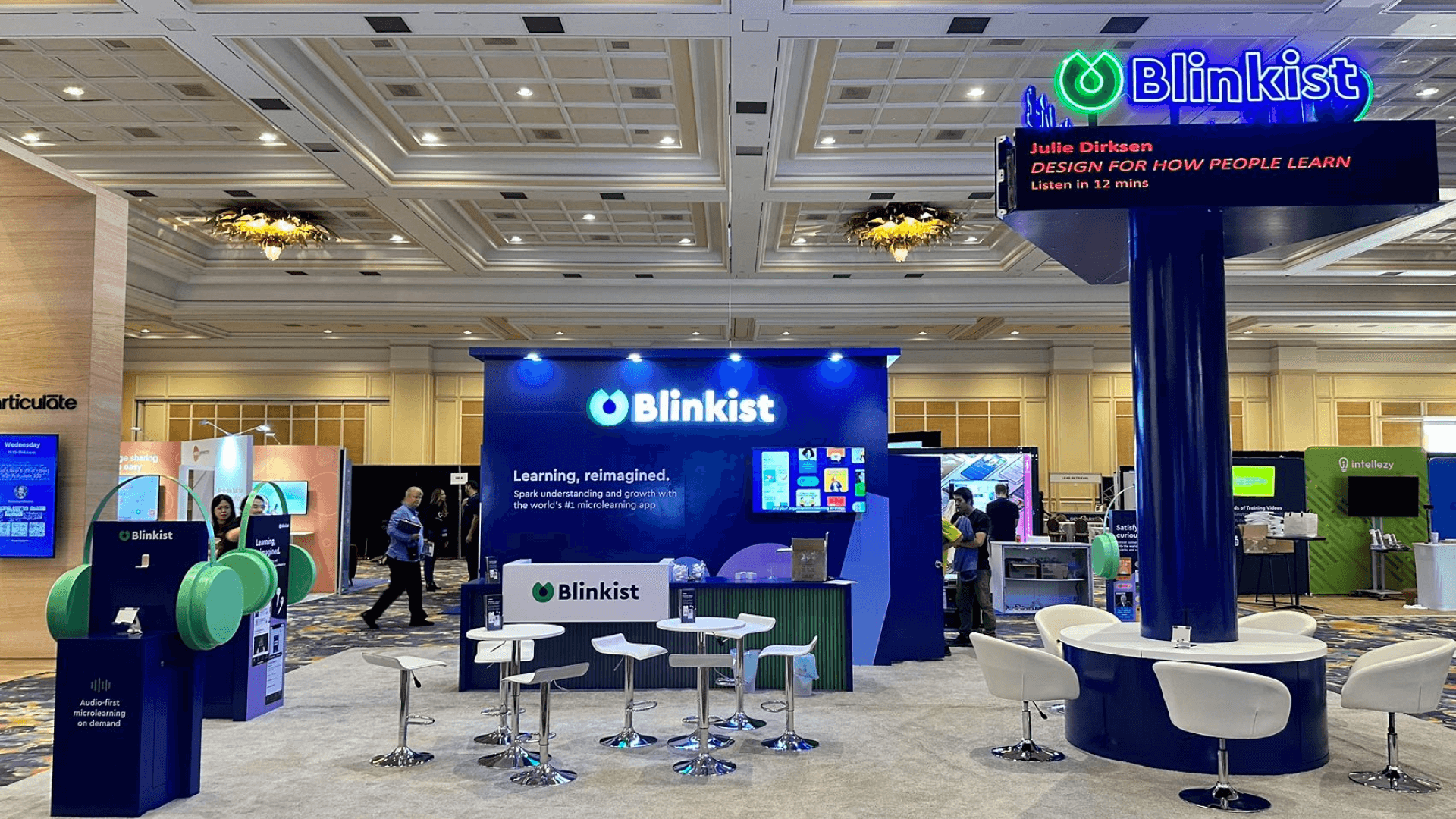
RE+ exhibitors can use a rental booth when the exhibit needs solar product displays, battery samples, demo counters, branded graphics, meeting space, storage, and clear technical conversations without a fully custom build. 20x20 and 20x30 rental layouts are often useful for clean energy brands that need flexible product presentation and show-site setup support in Las Vegas.
What booth sizes are common for RE+ 2026 exhibitors?
For solar panels, inverter samples, battery storage cabinets, and EV charging demo stations, many exhibitors use 20×20, 20×30, or 30×40 booths depending on the product scale and meeting needs. A 20×20 booth can support a focused display with a dashboard demo and meeting counter, while 30×40 layouts are better suited for larger equipment, clearer demo zoning, and utility-scale infrastructure conversations.
What are the key execution risks for energy equipment exhibits at LVCC?
Can RE+ exhibitors use a modular rental booth for solar or energy storage products?
Plan booth design, fabrication coordination, logistics, installation, and show-site setup for RE+ and other LVCC trade shows.
Compare 20x30 layouts for clean energy exhibitors that need product displays, demo counters, screen walls, storage, and buyer meeting space.
Use a 30x40 layout for larger solar, battery, inverter, EV charging, and clean energy system presentations that need stronger zoning.
Coordinate freight timing, drayage, crate order, move-in windows, power access, and installation sequence before LVCC setup begins.
Review structure, demo counter placement, screen support, graphics fit, product staging, and prebuild details before the booth ships.