SEMA Show Booth Planning

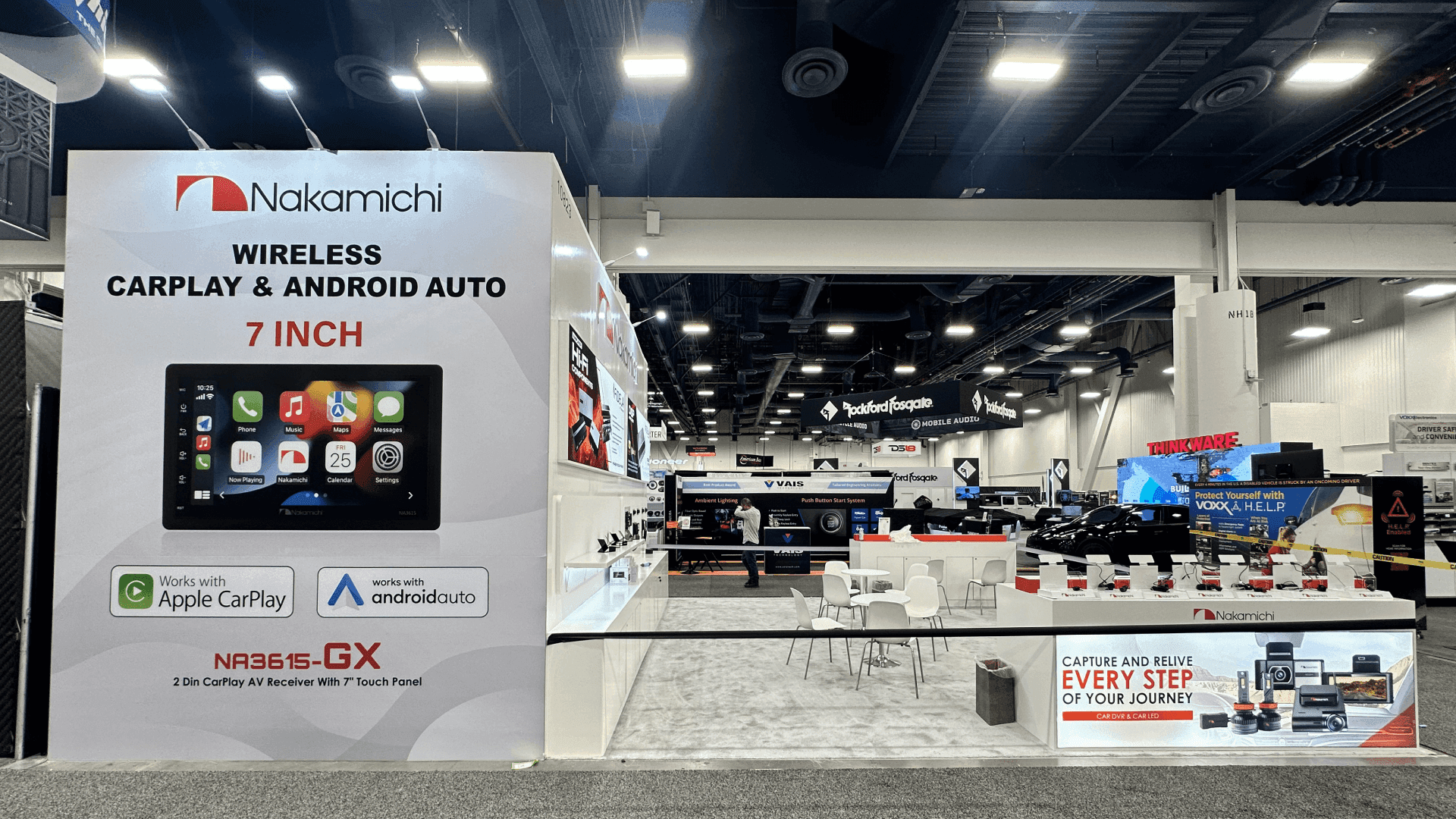

How should exhibitors plan a SEMA booth in Las Vegas?
SEMA booth planning should focus on vehicle paths, automotive displays, product demonstration areas, branded graphics, and aisle visibility at the Las Vegas Convention Center. Exhibitors need to plan booth size, product staging, freight timing, installation sequence, and buyer meeting flow before move-in begins. The SEMA floor plan can help exhibitors understand hall position and aisle exposure, but the booth layout still needs to be planned around vehicles, products, staff movement, and show-site setup.
SEMA Show is a major Las Vegas automotive aftermarket event where exhibitors plan booths around vehicles, aftermarket parts, product walls, demo counters, branded graphics, and buyer conversations at the Las Vegas Convention Center. For exhibitors reviewing booth location, aisle exposure, and vehicle display needs, the SEMA floor plan is useful as a planning reference, but the actual booth layout still needs to be built around product staging, visitor flow, staff movement, and installation timing.
Because many SEMA exhibits involve larger structures, vehicle access, hanging signs, display walls, inventory control, freight coordination, and LVCC move-in schedules, booth planning should connect size, graphics, logistics, and show-site setup early. Circle Exhibit teams support SEMA booth build support in Las Vegas, practical 30x40 booth planning, and logistics and pre-show coordination for exhibitors preparing vehicle-focused booths at LVCC.
SEMA booths often need more space than a standard product display because exhibitors may need vehicle access, product walls, demo counters, meeting areas, storage, and clear aisle visibility. The right booth size depends on whether the booth is built around a vehicle, aftermarket parts, tools, equipment, or a branded product launch.
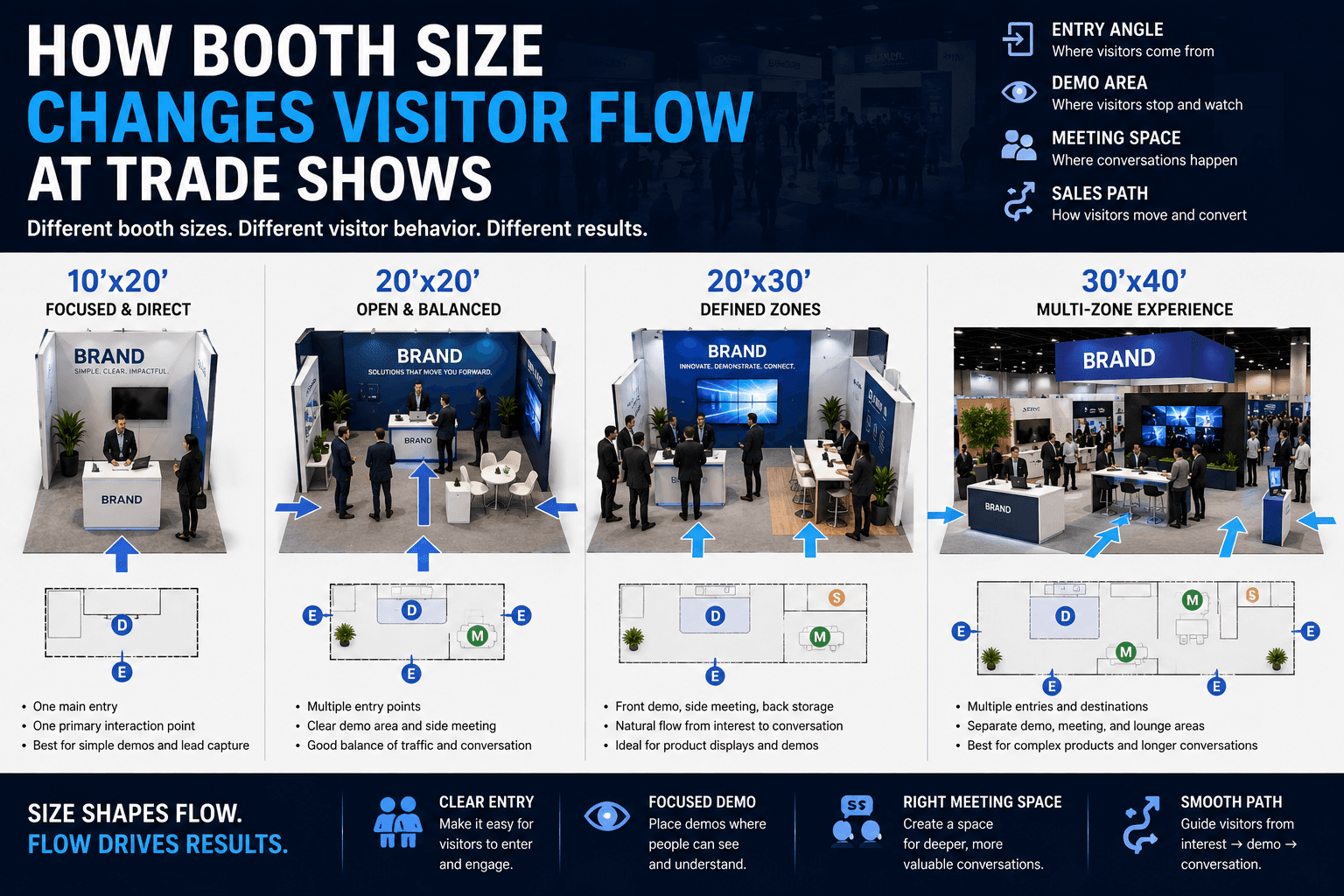
A 10x20 booth can work for smaller aftermarket brands, tool displays, accessory launches, and focused product conversations. It is best used with a clean backwall, one product zone, a reception counter, and simple graphics that can be read from the aisle.
A 20x30 booth is a strong fit for product-heavy SEMA exhibitors. It can support a vehicle-adjacent display, multiple product walls, demo counters, screen content, and better visitor movement. For brands comparing display zones and visitor flow, 20x30 booth planning is often a practical middle point between a compact island booth and a larger vehicle-focused exhibit.
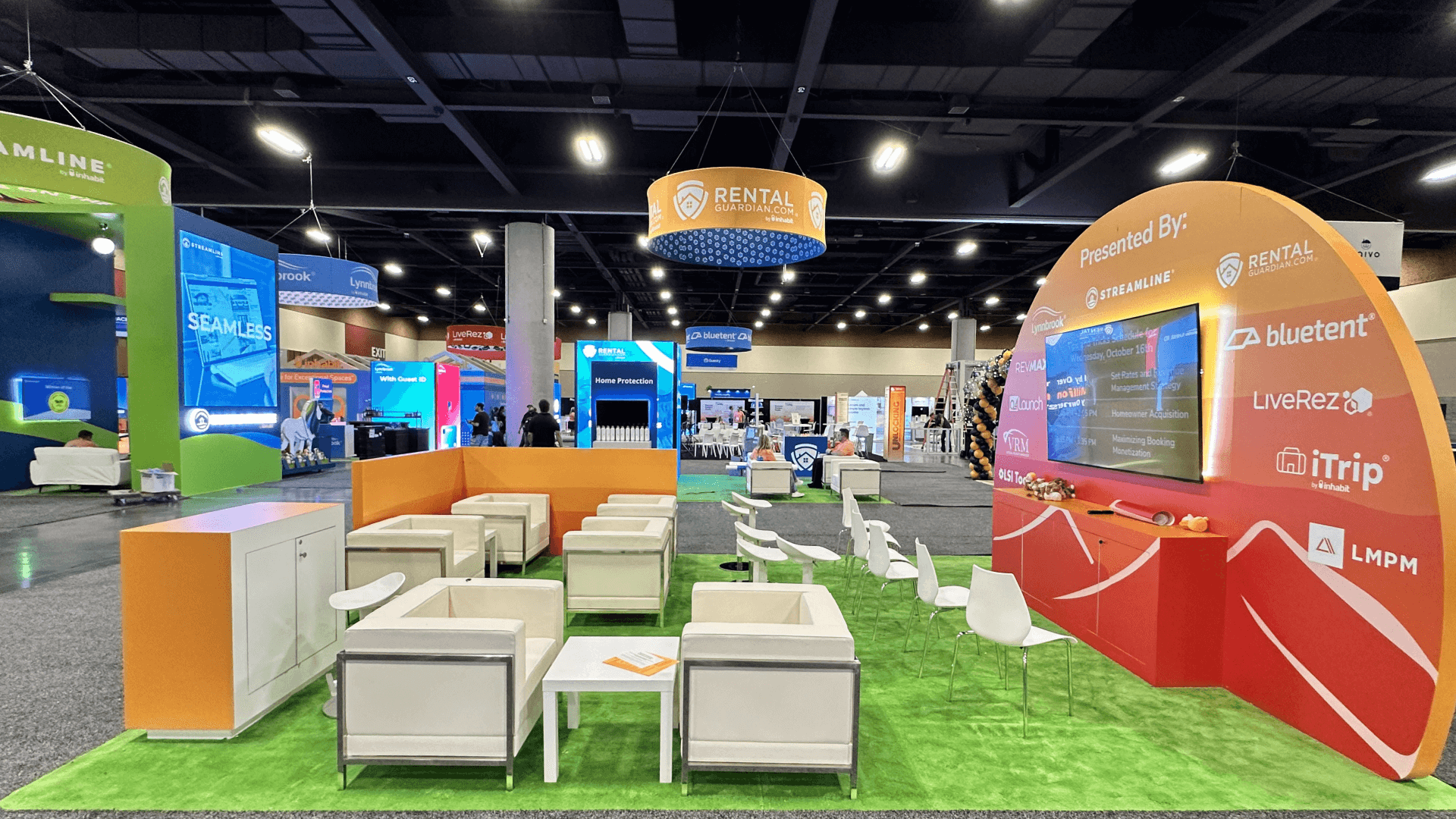
A 20x20 booth gives exhibitors more flexibility for product demos, corner visibility, light storage, and one small meeting area. Exhibitors reviewing 20x20 booth planning can use this size for an island layout when they need better aisle access but do not require a full vehicle display or multiple demo stations.
30x40 and Large Island SEMA Booths
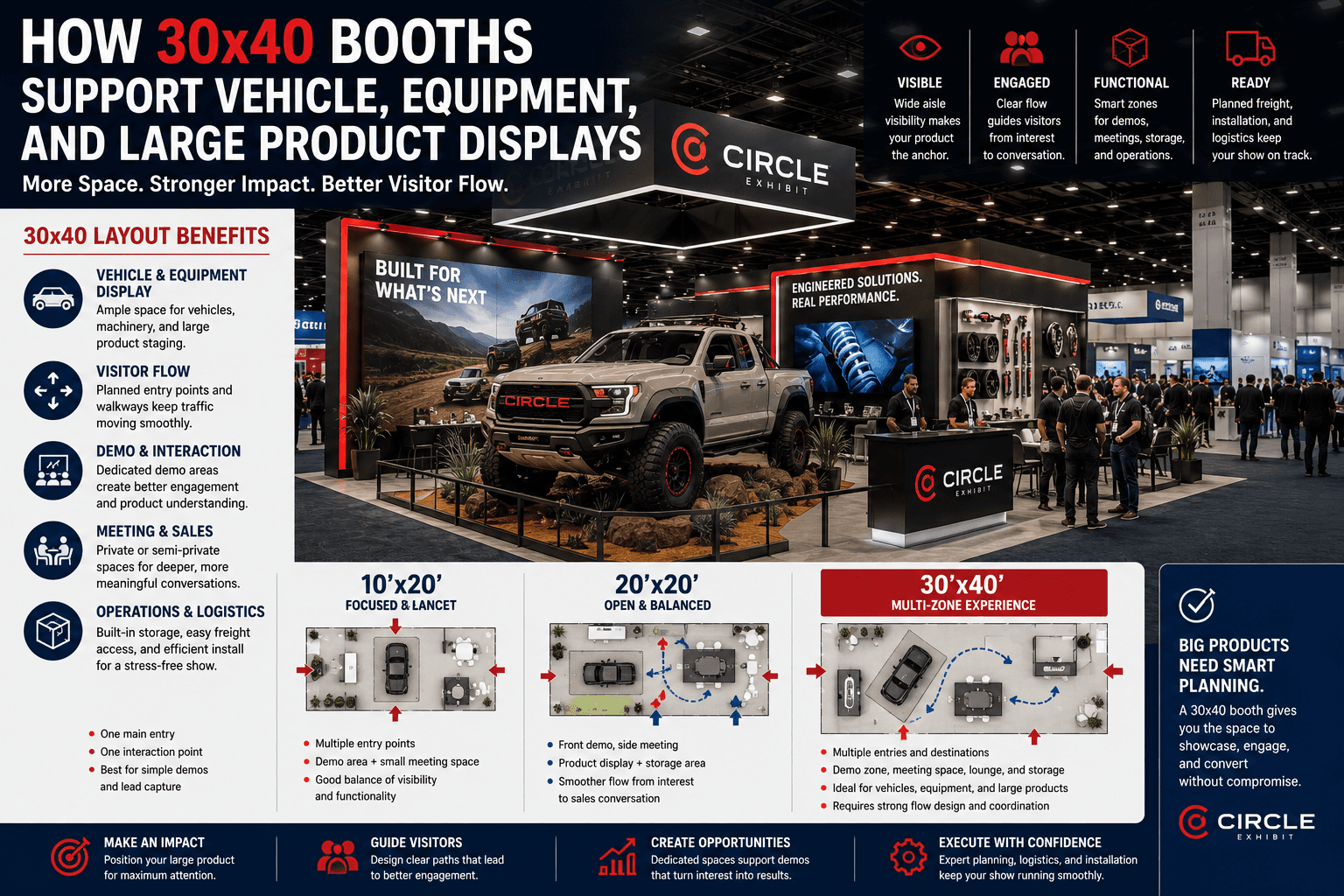
A 30x40 or larger island booth is usually the right fit for vehicle displays, large equipment, multi-product launches, private meeting areas, and high-visibility brand presentations. Exhibitors planning a 30x40 island booth should account for freight, rigging, electrical, flooring, staging, and installation sequence before materials move into the Las Vegas Convention Center.
SEMA booths often need more than standard graphics and counters. Vehicle placement, product walls, demo counters, screen visibility, aisle clearance, and staff movement should be planned before booth graphics or freight timing are finalized. For automotive displays at LVCC, the booth layout needs to support both visual impact and installation sequence.
For a deeper planning breakdown, review our guide to SEMA booth layout planning for vehicle displays.
SEMA booths are often judged by how clearly they present vehicles, parts, tools, equipment, and brand details from a busy aisle. A good layout should make the hero product visible first, then guide visitors toward demos, conversations, and supporting product information.
Vehicle displays need open sightlines, safe access space, clean flooring, and enough distance for visitors to view the vehicle without blocking the aisle. If the vehicle is the booth’s main attraction, the surrounding graphics, lighting, and counters should support the display instead of competing with it.
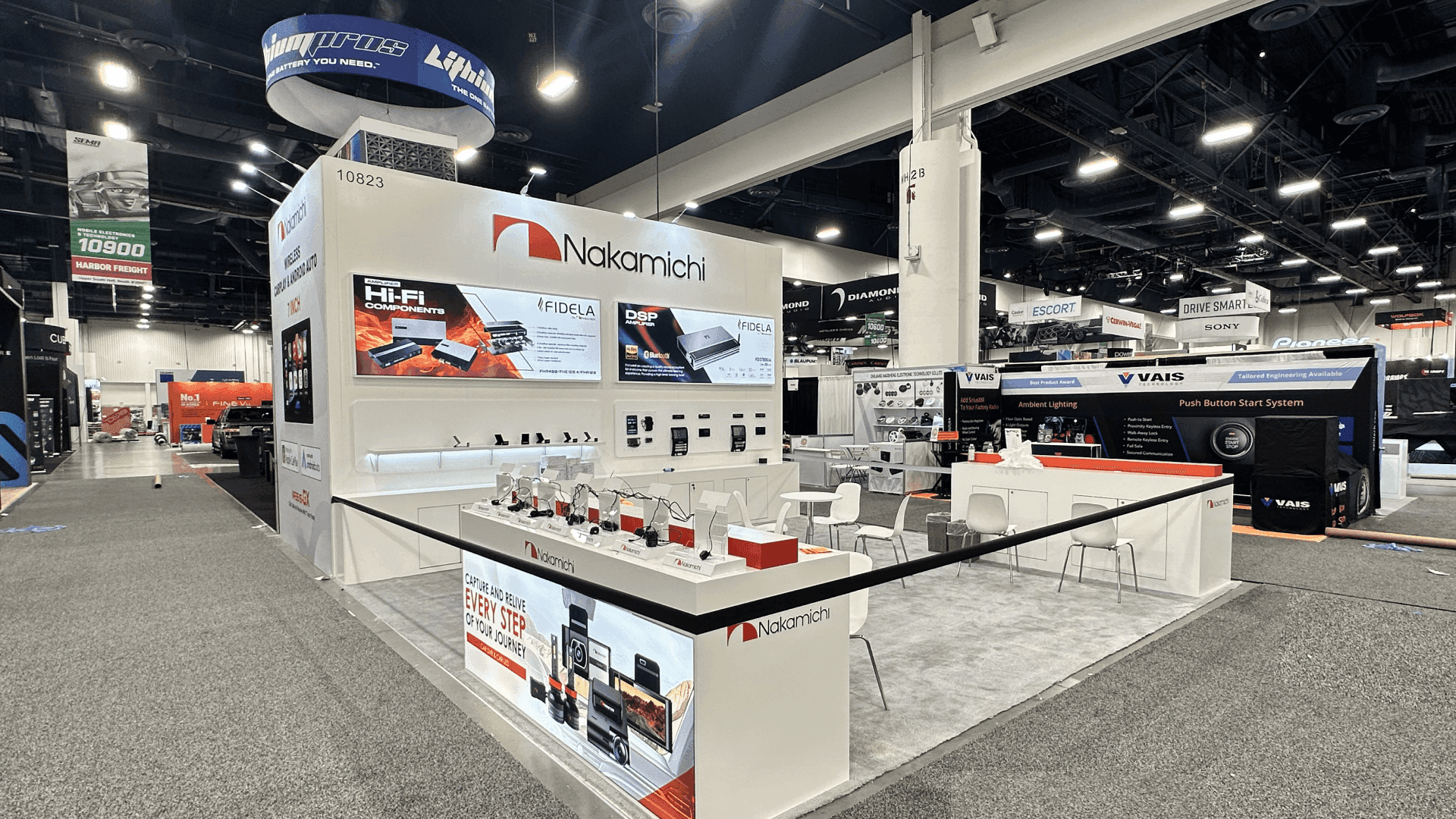
Parts and accessories need organized product walls, labeled display areas, and clear category separation. SEMA visitors often compare details quickly, so product height, lighting, graphics, and demonstration space should help them understand the difference between product lines.
Tool and equipment booths need demo counters that allow visitors to watch, ask questions, and interact without creating traffic jams. Power routing, screen placement, sample storage, and staff access should be planned before fabrication or rental structure selection.
SEMA aisles are visually crowded. Large graphics, overhead visibility, screen content, and vehicle-facing brand panels should be planned around viewing distance. The most important message should be readable before visitors step inside the booth.
SEMA Show centers on performance parts, vehicle upgrades, automotive accessories, and specialty equipment for the aftermarket industry.
The event spans LVCC halls such as West Hall, Central Hall, North Hall, and South Hall, with different exhibit layouts and logistics considerations.
Many exhibitors build around full vehicles, large product structures, and parts merchandising, making freight timing and installation coordination a key factor.
Challenges 1
Challenges 2
Challenges 3
Challenges 4
Challenges 5
Challenges 6
1
Confirm Vehicle Display Requirements and Booth Type
2
3
4
When a Rental Booth Works Well
A customizable booth rental in Las Vegas can work well for SEMA exhibitors who need branded graphics, counters, product shelving, screen support, meeting space, and a professional island or inline structure without building every component from scratch. It is often a practical choice for 10x20, 20x20, and some 20x30 booth plans when the display needs to look polished but remain flexible.
When a Custom Build Makes More Sense
A custom build is usually a better fit when the booth depends on a vehicle centerpiece, heavy equipment, custom product walls, special lighting, private rooms, overhead visibility, or a layout that needs to match a specific brand experience. Larger 30x40 and multi-zone island booths often need Las Vegas trade show booth builder support because structure, freight, fabrication, and show-site installation must be planned together.
How to Decide Before SEMA
Exhibitors should decide based on display purpose first, not only booth size. If the booth needs a flexible branded structure, rental may be enough. If the booth must control vehicle placement, sightlines, fabrication details, and show-site sequencing, builder-led planning is usually the safer route.
SEMA booths often involve large crates, flooring, display hardware, product samples, and sometimes vehicle-related materials. Freight timing should be planned around the assigned move-in window so materials arrive before installation crews need them on the floor.
Vehicle displays, product walls, counters, and graphics should be staged in the right sequence. The booth plan should account for when the vehicle or large display items enter the space, where crates are stored, and how installers can continue working around major display elements.
SEMA booths often use screens, lightboxes, product lighting, charging areas, or demo equipment. Power and AV locations should be checked before show-site installation so cords, counters, graphics, and display fixtures do not conflict with visitor flow.
Before opening day, the booth should be checked from the main aisle and corner approaches. Graphics, product labels, vehicle sightlines, counters, and meeting areas should all support quick recognition in a crowded automotive trade show environment.
SEMA Booth Rental Planning for Product Display Exhibitors
Not every SEMA exhibitor needs a large custom island booth. For automotive product brands, parts suppliers, accessories companies, and equipment displays without a full vehicle feature, a 20x20 or 20x30 rental booth can support branded graphics, product walls, demo counters, storage, meeting space, and manageable LVCC setup planning.
What booth sizes and formats are common at SEMA Show?
SEMA exhibitors use a wide range of formats, from 10×20 inline booths with parts walls to large island exhibits designed for full vehicle displays, wheel and tire racks, and performance component showcases.
Do vehicle displays require special planning at SEMA?
What are the most important logistics considerations for SEMA exhibitors?
Is a rental booth suitable for SEMA exhibitors?
How early should exhibitors start planning a SEMA booth?
For SEMA exhibitors planning custom booth structures, vehicle displays, product walls, meeting areas, and show-site installation in Las Vegas.
For exhibitors who need a branded rental booth with graphics, counters, display areas, and installation support at Las Vegas shows.
For larger SEMA booths with vehicle displays, equipment presentations, private meeting areas, and high-visibility island layouts.
For freight timing, crate planning, move-in coordination, and show-site preparation before installation begins.
For SEMA Show exhibitors preparing vehicle staging, freight timing, booth installation, aisle-facing product displays, and opening-day readiness at the Las Vegas Convention Center.
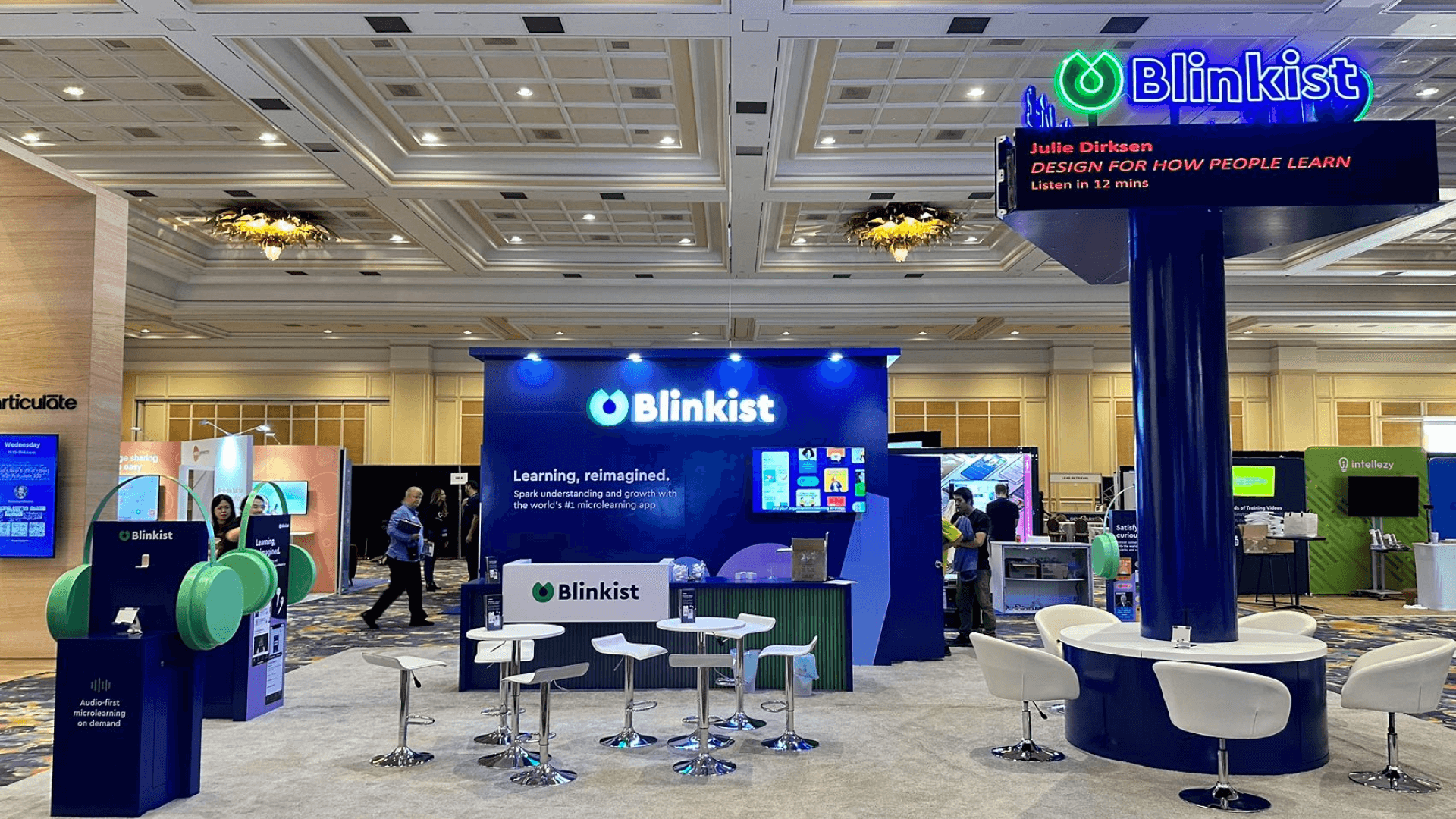
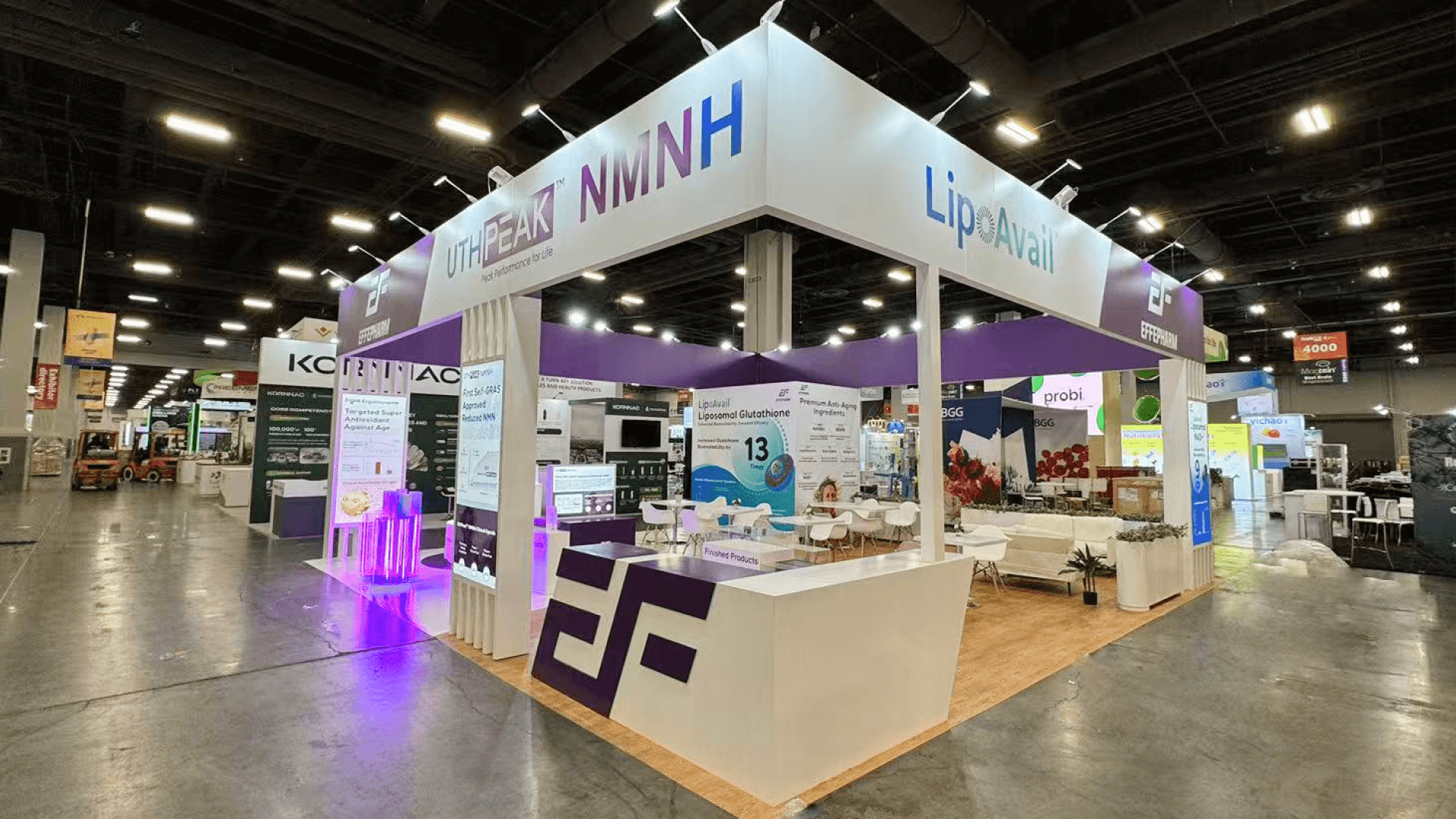
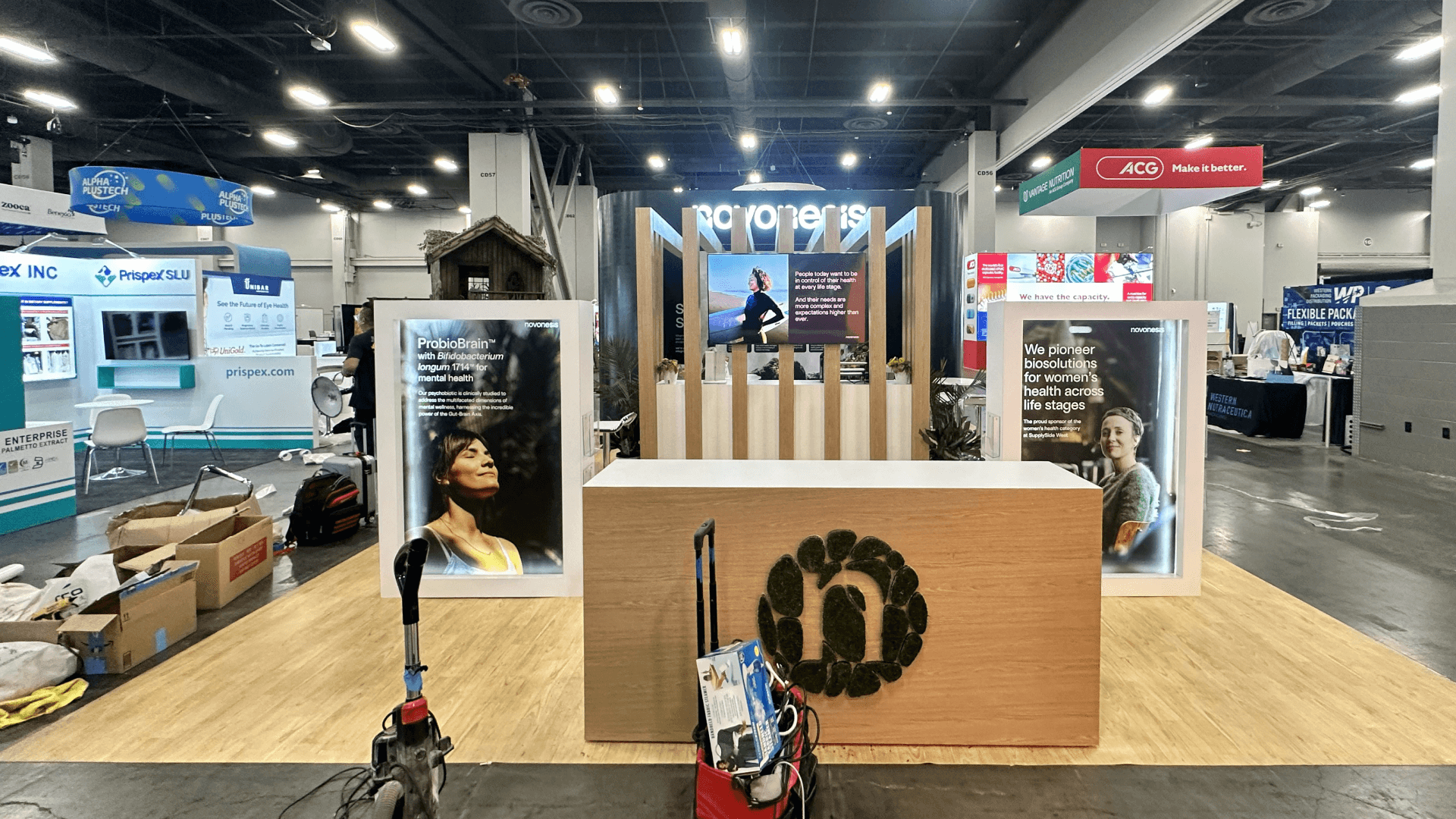
SEMA planning often becomes clearer when you can compare how different booth sizes, vehicle-focused layouts, branded display walls, and visitor flow work across real projects. Explore our SEMA Booth Projects collection to see grouped examples from actual builds, including layouts shaped around hero vehicle visibility, aftermarket product presentation, and high-traffic show-floor movement.