SupplySide Global Booth Planning in Las Vegas

When and where is SupplySide Global 2026 held?
SupplySide Global 2026 is scheduled for October 26–30, 2026 at Mandalay Bay in Las Vegas, with the Expo Hall open October 28–30. Exhibitors usually plan booths around ingredient sampling, supplement formulation, functional food and beverage displays, packaging conversations, testing services, and show-site setup needs for a large health and nutrition audience.
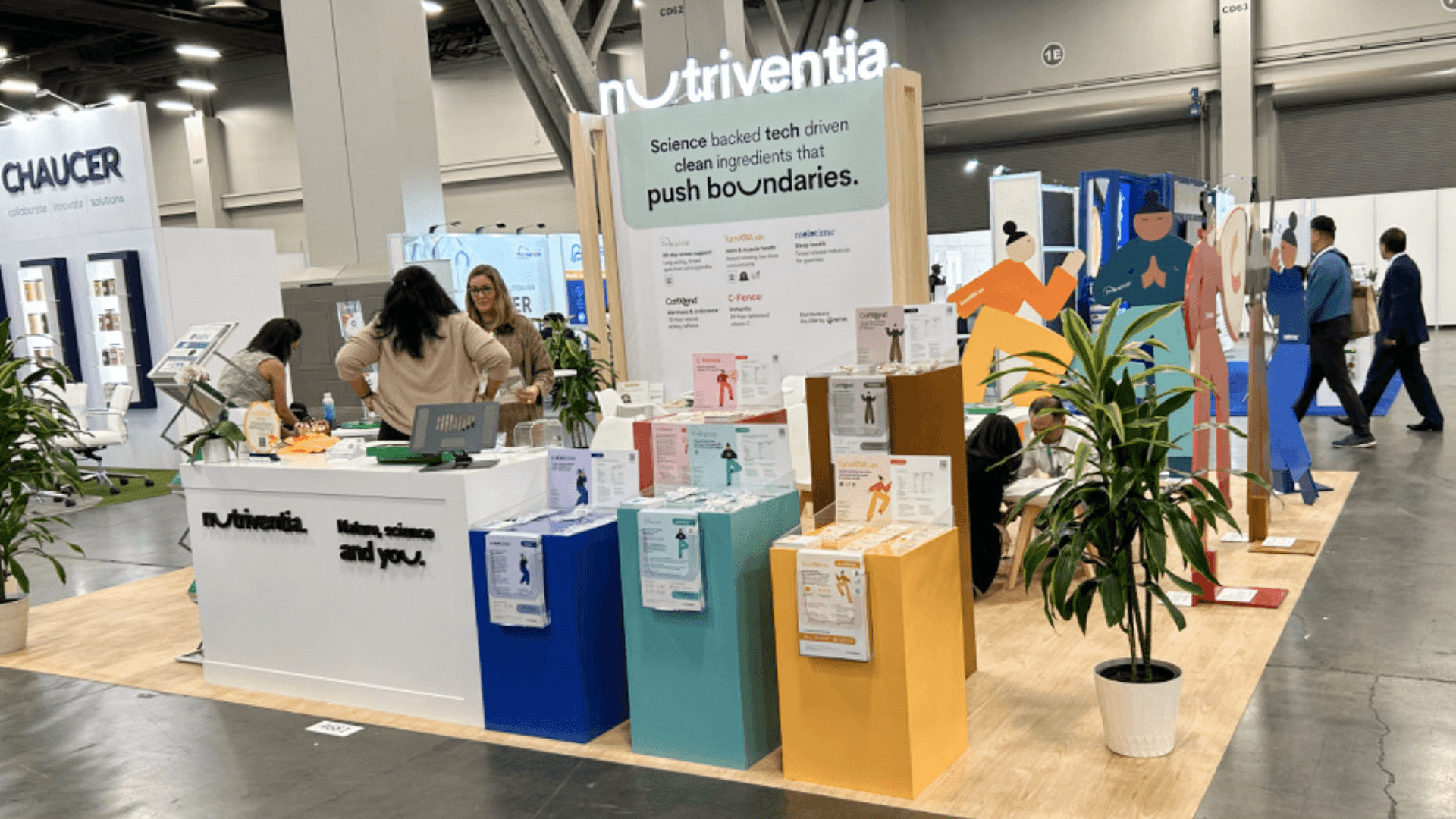
SupplySide Global brings ingredient suppliers, supplement brands, contract manufacturers, packaging partners, testing labs, and functional food and beverage teams to Mandalay Bay Convention Center in Las Vegas. Exhibitors need a booth that can support sampling, product education, buyer meetings, and formulation conversations without making the space feel crowded. A Las Vegas trade show booth builder can help turn those technical product stories into a clear, buyer-ready exhibit environment.
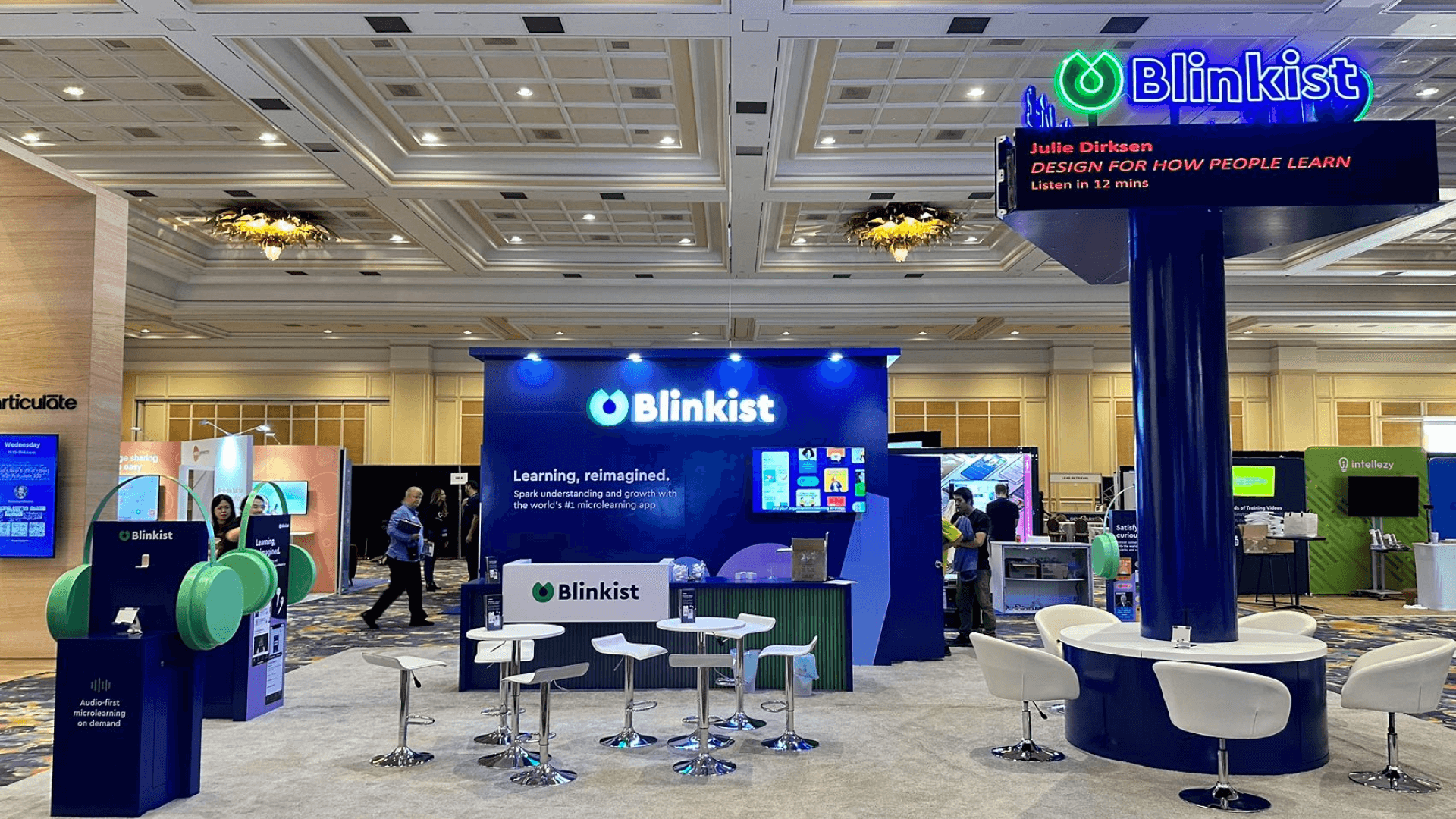
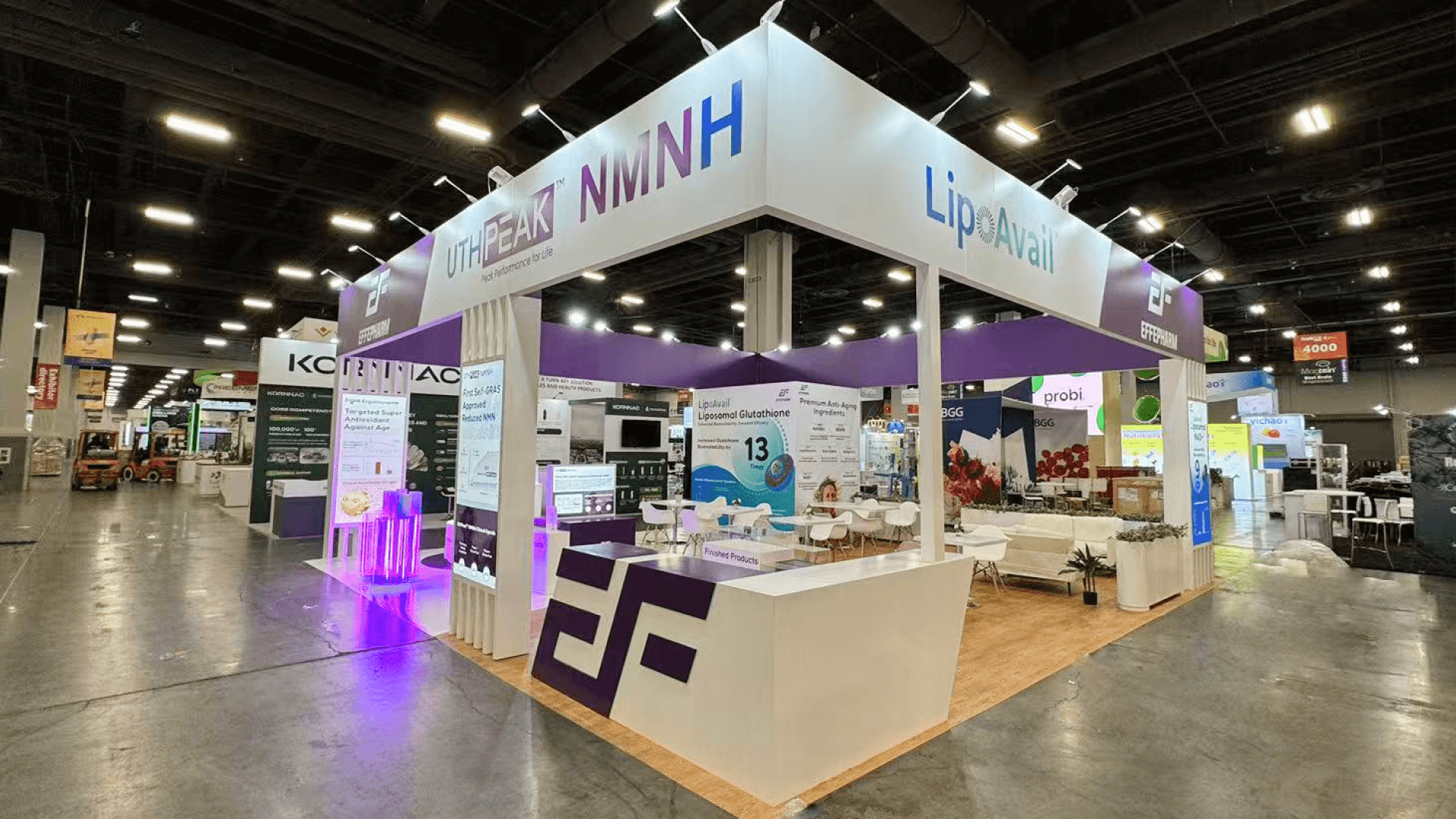
For many SupplySide Global exhibitors, the booth must handle several actions at once: ingredient displays, sample flow, storage, meeting counters, screen presentations, and quick product conversations. A 20x20 trade show booth is often a practical layout because it gives enough room for sampling and meetings while keeping aisle movement open.
Execution should be planned before move-in, especially when the booth includes sampling counters, product displays, storage, graphics, refrigeration-adjacent planning, or packaged ingredient materials. Logistics and pre-show coordination help organize freight, booth components, samples, and setup timing before the exhibit reaches Mandalay Bay.
SupplySide Global exhibitors should choose booth size based on product sample volume, meeting needs, storage, ingredient display method, screen use, and how buyers move between sampling and supplier conversations. Ingredient, supplement, functional food, packaging, and testing service booths need layouts that keep samples visible without blocking aisle traffic.
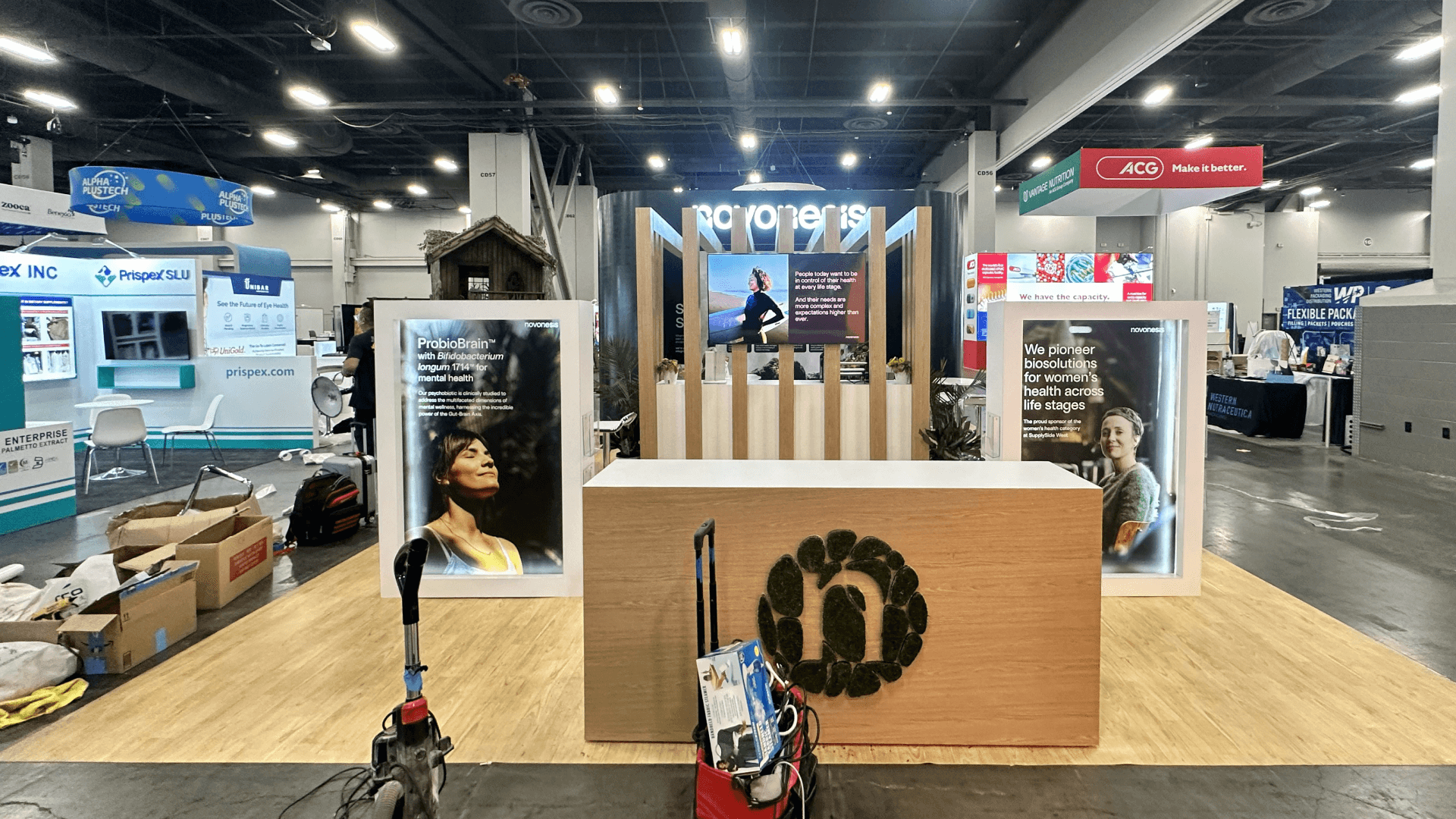
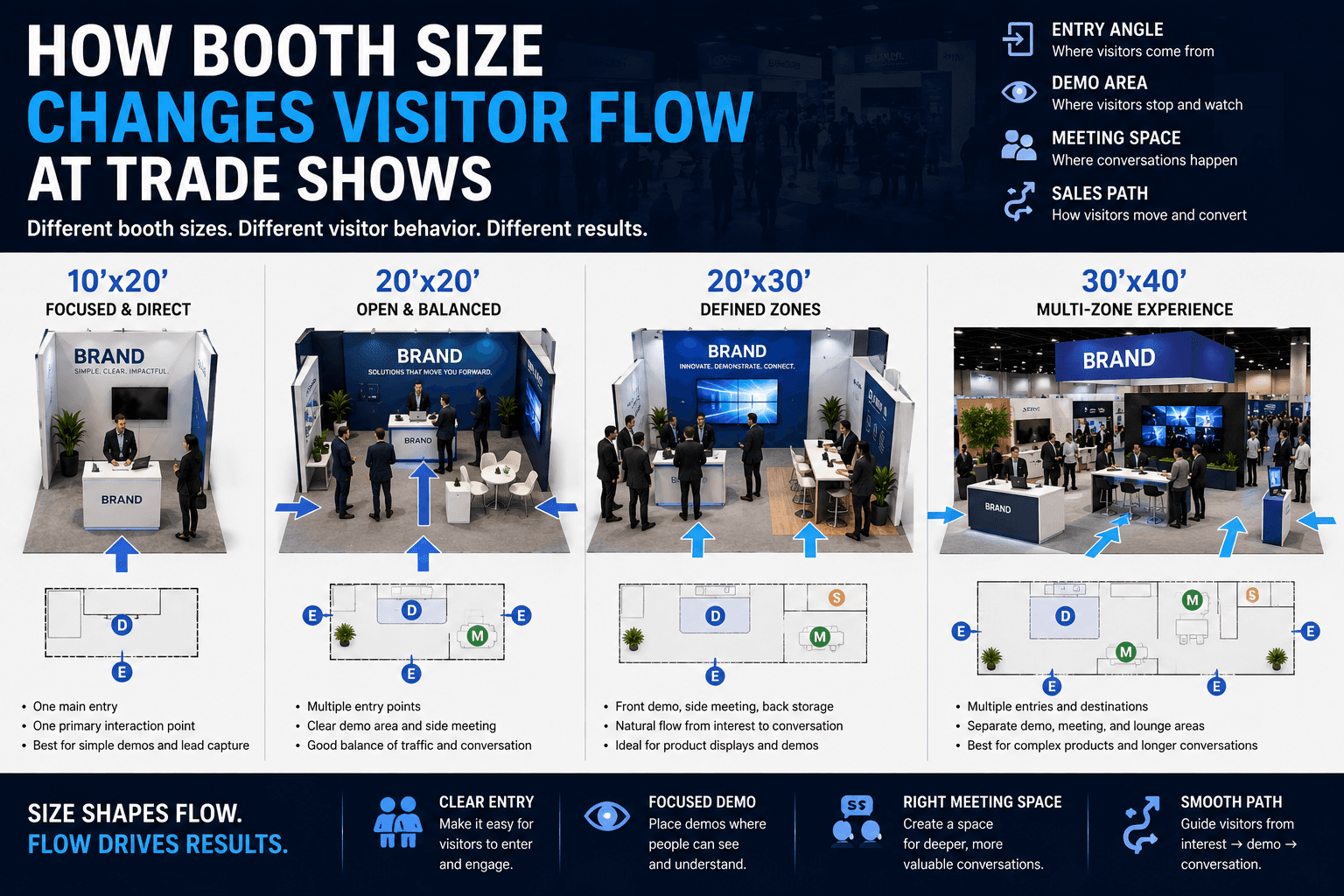
A 10x20 booth can work for focused ingredient suppliers, supplement brands, or service providers with one main product story, one sampling counter, a branded backwall, and one compact buyer conversation point. This layout should stay simple so staff, samples, and literature do not crowd the front edge.
A 20x30 booth planning direction is stronger when exhibitors need separate zones for ingredient samples, formulation discussion, packaging displays, contract manufacturing conversations, storage, and staff handoff. This size helps move visitors from quick sampling into a more focused supplier conversation.
A 20x20 booth planning approach gives SupplySide Global exhibitors enough room for sampling counters, product grouping, storage, meeting space, and screen-supported product education. It works well for brands that need open visitor movement while still keeping buyer conversations close to the display.
Larger island booths are useful for exhibitors with multiple product categories, deeper sample programs, private buyer meetings, screen presentations, and stronger brand visibility. These layouts should plan counter placement, storage, sample staging, freight order, staff zones, and final setup checks before production.
SupplySide Global booth planning is usually tied to booth size, ingredient sample flow, buyer conversations, storage, rental structure choices, graphics, freight timing, and Mandalay Bay setup. Exhibitors can use supporting articles to compare layout and execution decisions before finalizing production.
For layout decisions, booth size and visitor flow planning explains how 10x20, 20x20, 20x30, and larger booths affect sample counters, meeting areas, storage, staff handoff, and aisle movement. This is useful for ingredient exhibitors because sampling and buyer conversations often happen in the same footprint.
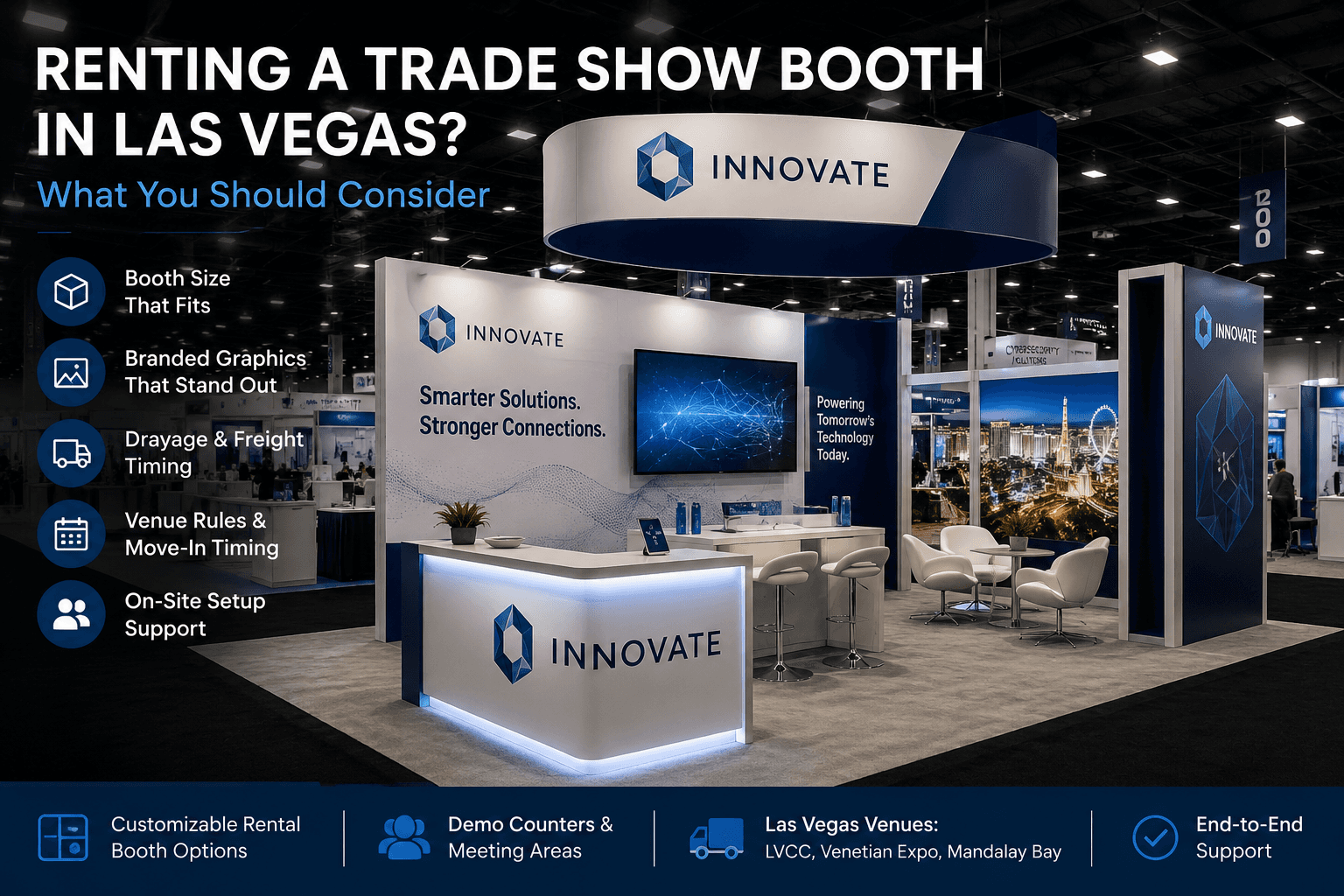
For exhibitors comparing rental options, Las Vegas trade show booth rental planning can help teams think through branded counters, product display areas, meeting space, storage, lighting, logistics, and setup support before choosing a rental direction.
For brands deciding between flexible structures and deeper custom work, modular exhibit systems and customizable rental booths can help explain how reusable booth systems, branded graphics, counters, storage, and installation planning fit together.
SupplySide Global booth planning should make ingredient categories, functional benefits, sourcing details, formulation uses, packaging options, and testing services easy to understand. Exhibitors need a booth that supports sampling, product education, buyer comparison, storage, and practical supplier conversations without turning the display into a crowded information wall.
Ingredient suppliers often bring powders, capsules, functional ingredients, flavor concepts, packaging samples, or testing service materials into one booth. Category labels, counter grouping, and simple graphics help buyers understand what they are viewing before a sales conversation begins.
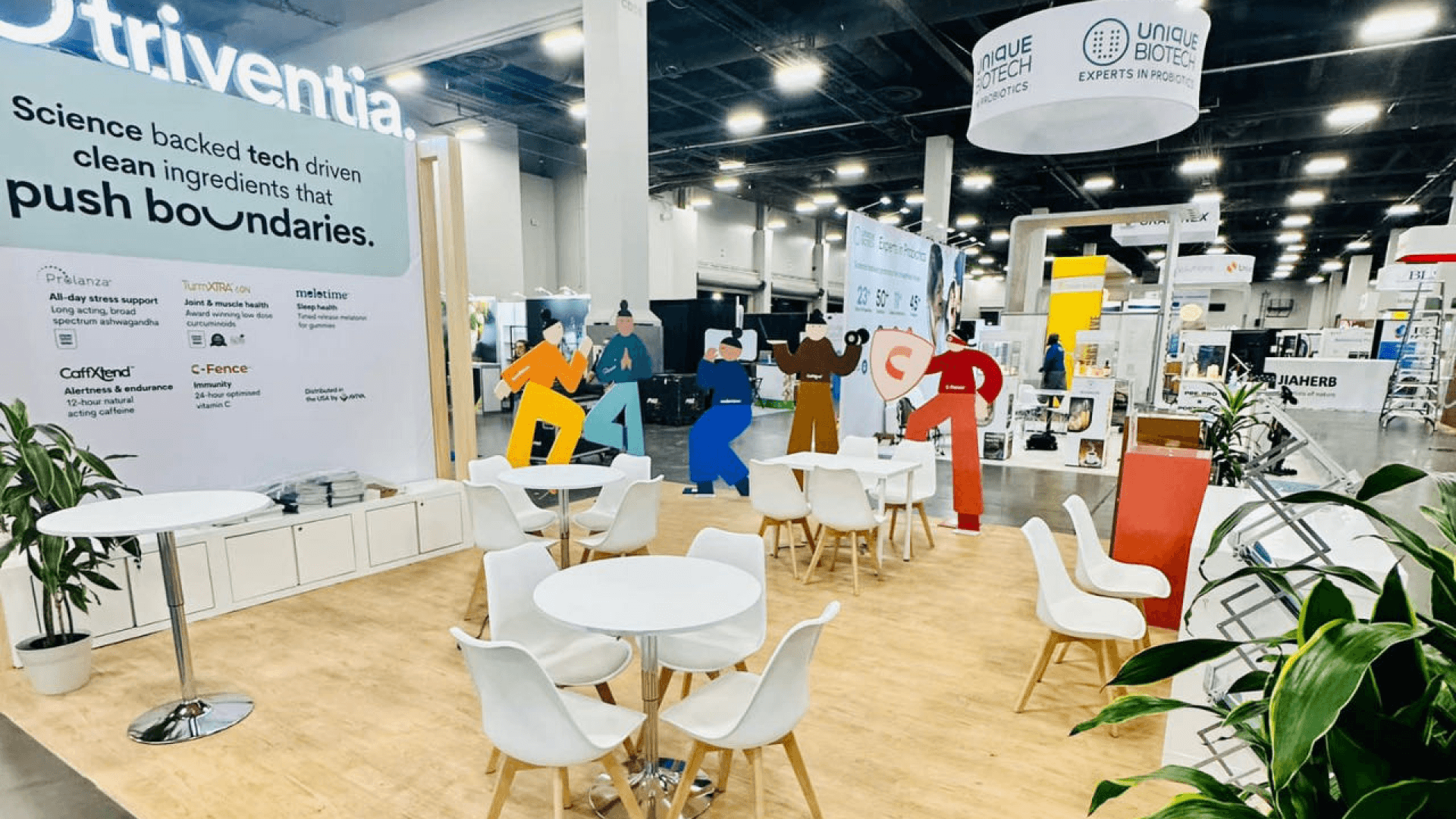
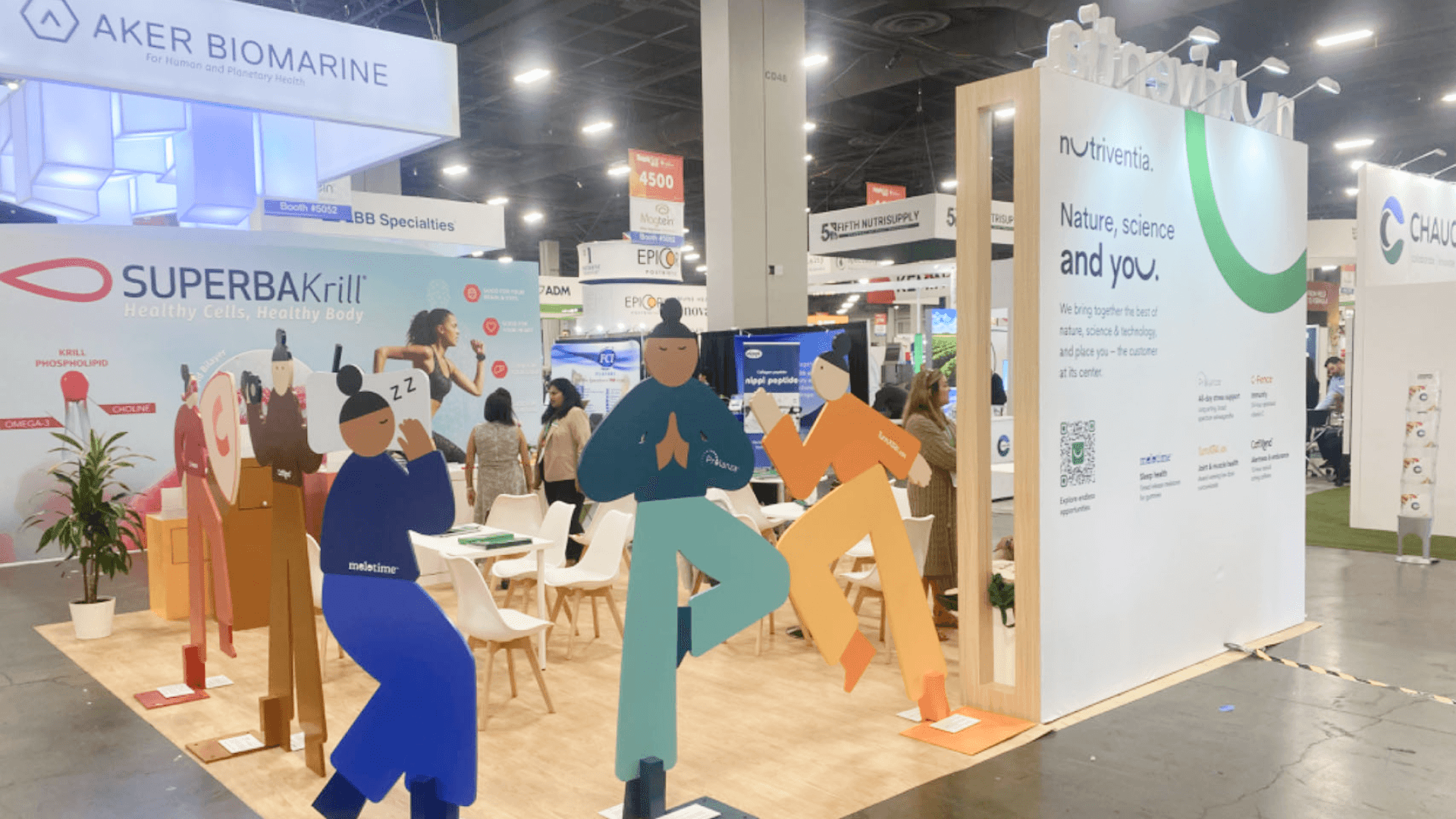
Sampling counters should be placed where visitors can stop without blocking the aisle. Counter height, staff position, product access, waste control, literature, and hidden storage should be planned together so the booth stays clean during busy traffic.
SupplySide exhibitors often need more storage than a standard display booth. Extra samples, packaging, literature, cleaning supplies, and replacement materials should be hidden but accessible so staff can reset counters throughout the show.
Ingredient and supplement buyers often ask about formulation fit, sourcing, claims support, quality, packaging, testing, or manufacturing capacity. A small meeting counter or side conversation zone helps staff continue serious discussions without blocking product sampling.
SupplySide Global 2026 is scheduled for October 26–30, 2026 at Mandalay Bay in Las Vegas, with the Expo Hall open October 28–30.
The event brings together ingredient suppliers, supplement brands, product developers, contract manufacturers, packaging providers, testing labs, regulatory teams, and health product buyers.
For SupplySide Global exhibitors, booth planning should support ingredient sampling, product education, buyer meetings, screen presentations, storage, and a clean opening-day presence.
Challenges 1
Challenges 2
Challenges 3
Challenges 4
Challenges 5
Challenges 6
1
Start with the Product Story
2
3
4
Rental works for focused ingredient displays
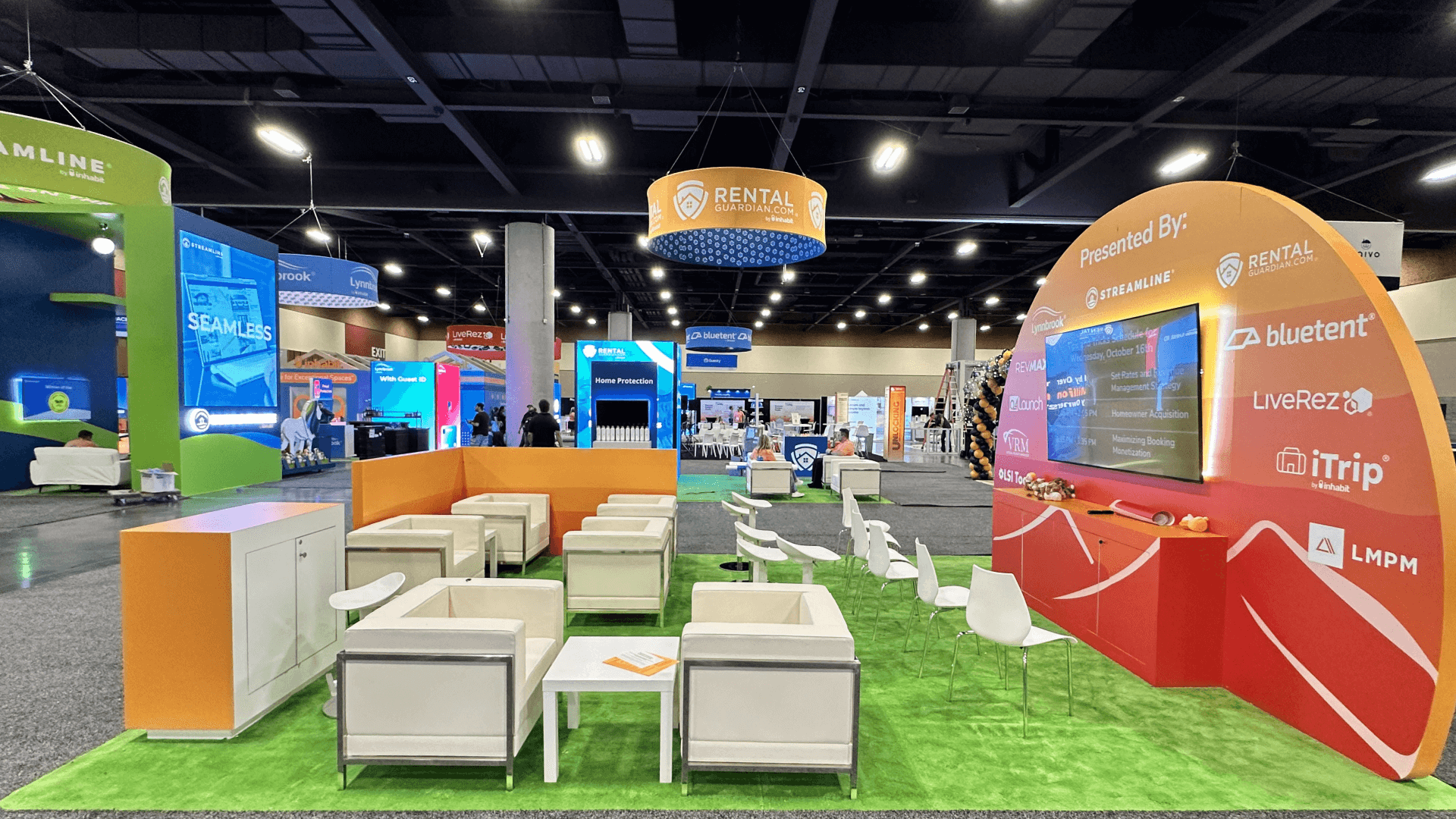
A customizable booth rental in Las Vegas can work well for SupplySide Global exhibitors with a focused product story, branded backwall, sampling counter, display shelving, meeting point, and clean aisle flow. It is especially practical for 10x20 and 20x20 booths that need a professional ingredient presentation without a fully custom structure.
Custom build helps with deeper product programs
A custom booth build is better when the exhibitor needs multiple sampling counters, heavier display walls, private buyer meetings, specialized storage, elevated branding, integrated lighting, or multi-show reuse. SupplySide Global brands with deeper ingredient, supplement, or contract manufacturing presentations should work with a Las Vegas trade show booth builder when structure and setup details become more complex.
Choose based on sample flow and setup needs
The best option depends on booth size, sample volume, product categories, meeting style, storage, graphics, freight timing, and Mandalay Bay installation sequence. Exhibitors should decide after mapping sampling counters, product display zones, staff movement, buyer meetings, and opening-day booth reset needs.
SupplySide Global exhibitors should prepare for Mandalay Bay move-in timing, freight delivery, booth setup, graphic placement, sample staging, storage access, and final booth checks.
Ingredient exhibitors often use counters, shelves, product samples, screens, and lead capture tools. Planning placement and cable routing early helps avoid Las Vegas setup conflicts.
Las Vegas exhibitors often need quick coordination during delivery, graphic placement, sample organization, counter setup, cleaning, and final adjustments before buyer conversations begin.
Before the show opens, exhibitors should review counter cleanliness, product placement, label accuracy, storage access, lead capture tools, staff positions, and meeting flow. A clean booth matters more when visitors are reviewing samples and supplier details closely.
Customizable Booth Rental for SupplySide Global
SupplySide Global Booth Rental Planning for Ingredient and Sampling Displays
SupplySide Global exhibitors can use a customizable rental booth to support ingredient displays, sample counters, buyer meetings, branded graphics, storage, and documentation areas at Mandalay Bay. 10x20, 20x20, and 20x30 rental layouts are often practical for supplement, nutraceutical, functional food, and ingredient brands that need organized product presentation and show-site setup support.
What booth size works best for SupplySide Global exhibitors?
For many SupplySide Global exhibitors, a 20x20 booth is a practical choice because it supports sampling counters, product displays, storage, meeting space, and screen presentations. Smaller suppliers may use a 10x20, while larger ingredient, packaging, or contract manufacturing teams may need a 20x30 or 30x40 layout.
When should exhibitors start planning a SupplySide Global booth build?
Can SupplySide Global exhibitors use a rental booth in Las Vegas?
Review Mandalay Bay booth planning for ingredient displays, sample counters, buyer meeting areas, product storage, freight timing, and show-site setup in Las Vegas.
Plan booth design, fabrication coordination, logistics, installation, and show-site setup for SupplySide Global and other Las Vegas trade shows.
Use a 20x20 layout for ingredient samples, branded counters, buyer conversations, product grouping, staff movement, and hidden storage.
Coordinate freight timing, product sample handling, crate order, move-in windows, storage needs, and show-site setup before the booth arrives at Mandalay Bay.
Review counter placement, sample display layout, branded panels, lighting, structure fit, storage access, and final booth readiness before shipping.